Waiting in the Summer Review: A Quiet Summer of Secrets, Cameras, and Complicated Hearts
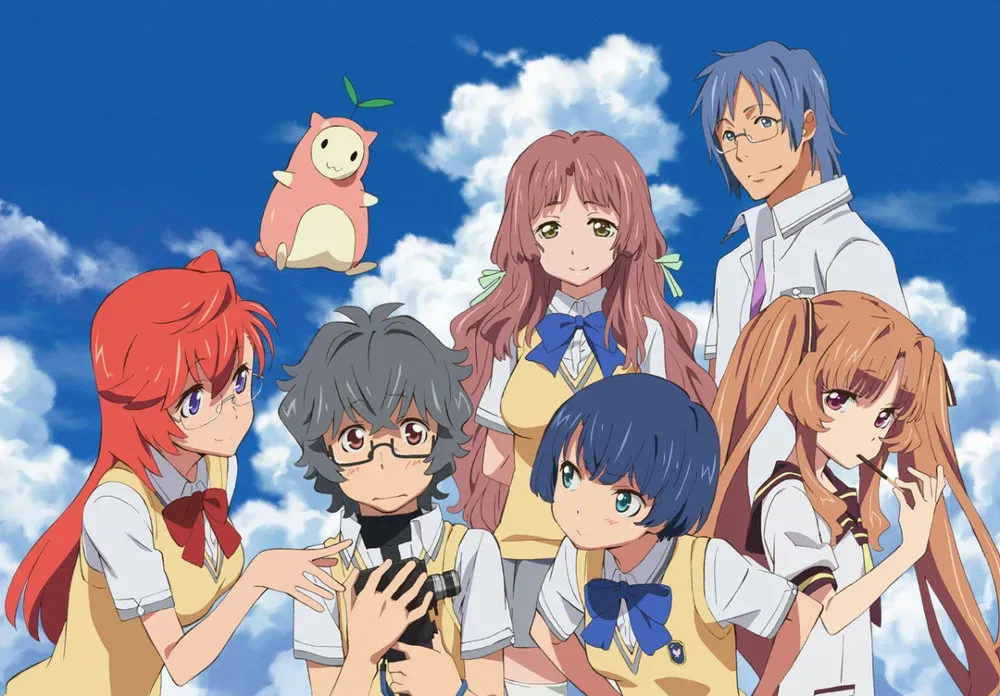
Studio: J.C.Staff
Episodes / Season: 12 episodes + 1 OVA special
Genre: Drama, Romance, Sci-Fi
Air date / Status: January–March 2012 – Completed
My Score: 8/10
Introduction
Some anime arrive with grand battles or high-stakes destiny. Waiting in the Summer arrives with an 8mm camera, a quiet mountain town, and a group of high-school friends who simply want to make a movie. What begins as a light summer project slowly reveals itself as something far more delicate and emotionally precise.
I came away impressed by how carefully the series balances everyday warmth with growing tension. The relationships feel lived-in, the suspense builds with real patience, and the characters’ choices carry weight. It is not perfect, but it is sincere, and that sincerity is what stayed with me.
Mild spoiler warning: The synopsis and most of the review remain light on plot details. The ending discussion in the later sections is more specific, if you prefer to experience it completely cold, feel free to skip those paragraphs until after watching.
Spoiler-Free Synopsis
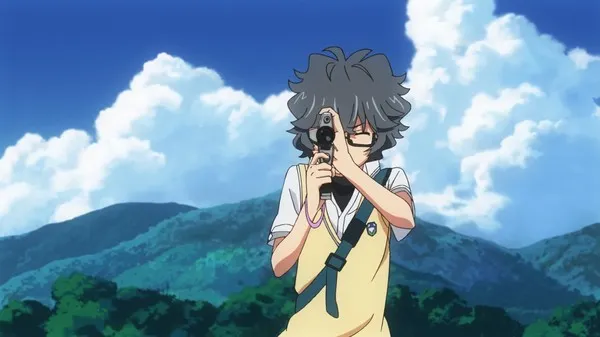
Kaito Kirishima is a quiet first-year high-school student who loves filming the world through an old 8mm camera. One summer night while testing the camera, he witnesses a mysterious light and is thrown from a bridge. The next morning he wakes unharmed, with no clear memory of what happened.
At school he and his friends decide to spend the break making a short film. They invite two new faces to join them: the soft-spoken transfer student Ichika Takatsuki and her sharp-tongued friend Remon Yamano. Ichika soon ends up living in Kaito’s household under unusual circumstances. As the group films, laughs, argues, and grows closer, small secrets and unspoken feelings begin to surface, turning an ordinary summer into something none of them expected.
Characters
The strength of Waiting in the Summer lies in its ensemble. No one is simply a type, each person carries quiet contradictions that make the group dynamics feel authentic.
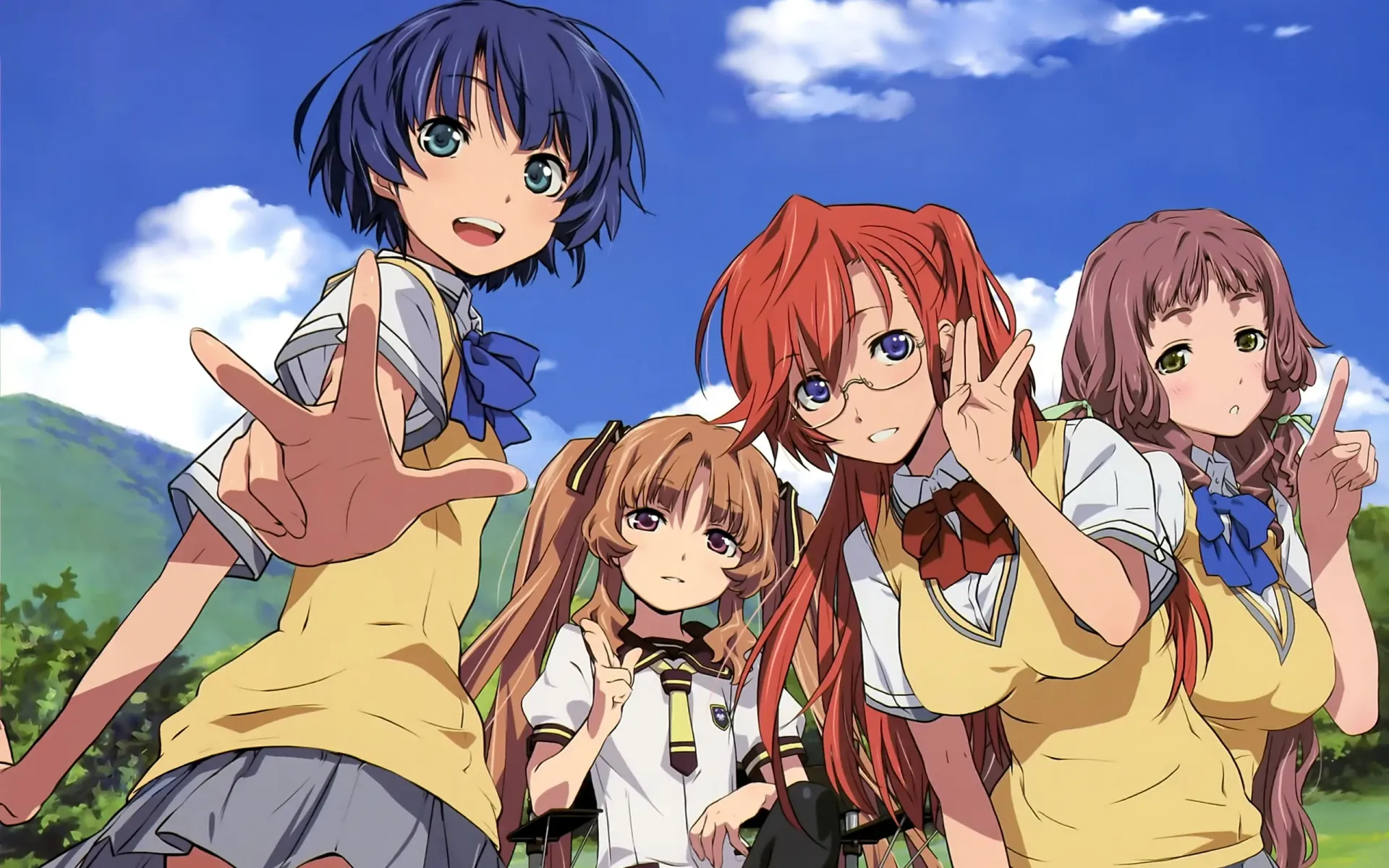
Kaito is the gentle center. He is awkward, earnest, and more observant than he first appears. His passion for film gives him a way to process the world, and watching him gradually open up is one of the series’ quiet pleasures. Ichika is the mystery that unsettles the balance. She is kind, slightly out of place, and carries a weight she tries hard to hide. Their developing relationship is handled with unusual care, the attraction feels mutual and natural rather than forced.
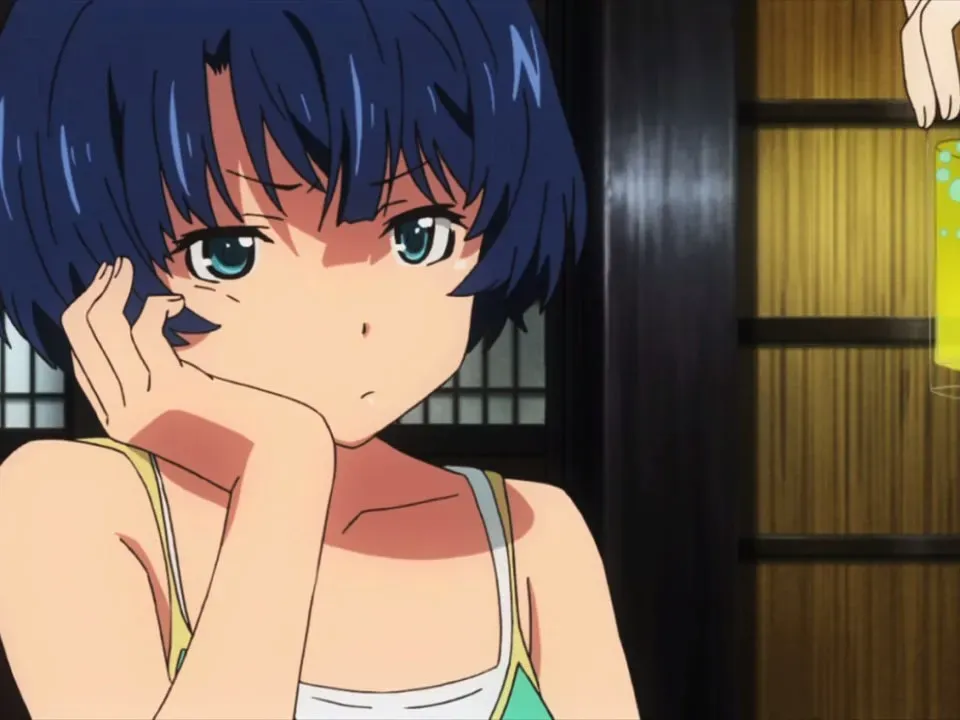
Around them the supporting cast shines. Kanna Tanigawa, the childhood friend with unreturned feelings, never becomes a one-note obstacle. Her frustration and eventual growth feel honest. Tetsuro Ishigaki and Mio Kitahara form their own complicated triangle, and the way the series lets those feelings evolve without rushing is refreshing. Remon, meanwhile, steals almost every scene she is in. Petite, mischievous, and always three steps ahead, she provides both comic relief and unexpected emotional insight. Even smaller roles such as Rinon feel purposeful.
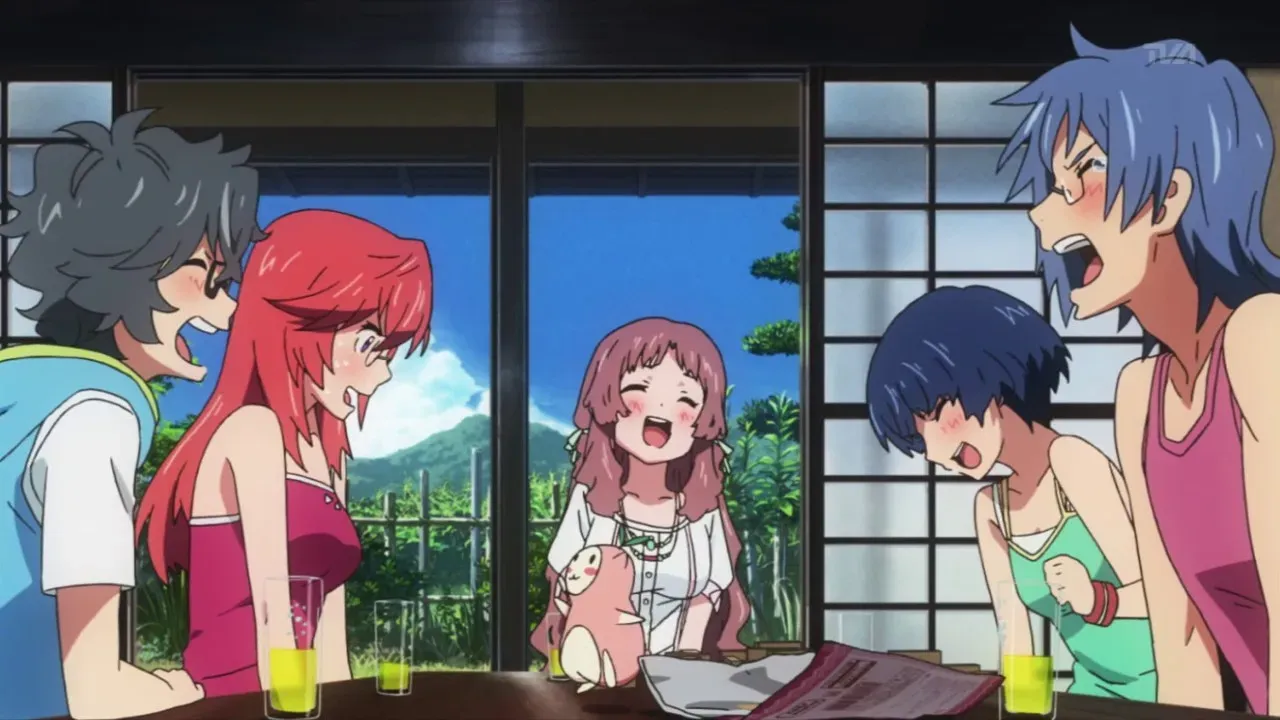
What works best is how the characters actually talk to one another about their feelings. Confessions and confrontations happen, the series is not afraid of emotional honesty, and that honesty strengthens every relationship on screen.
Story & Pacing
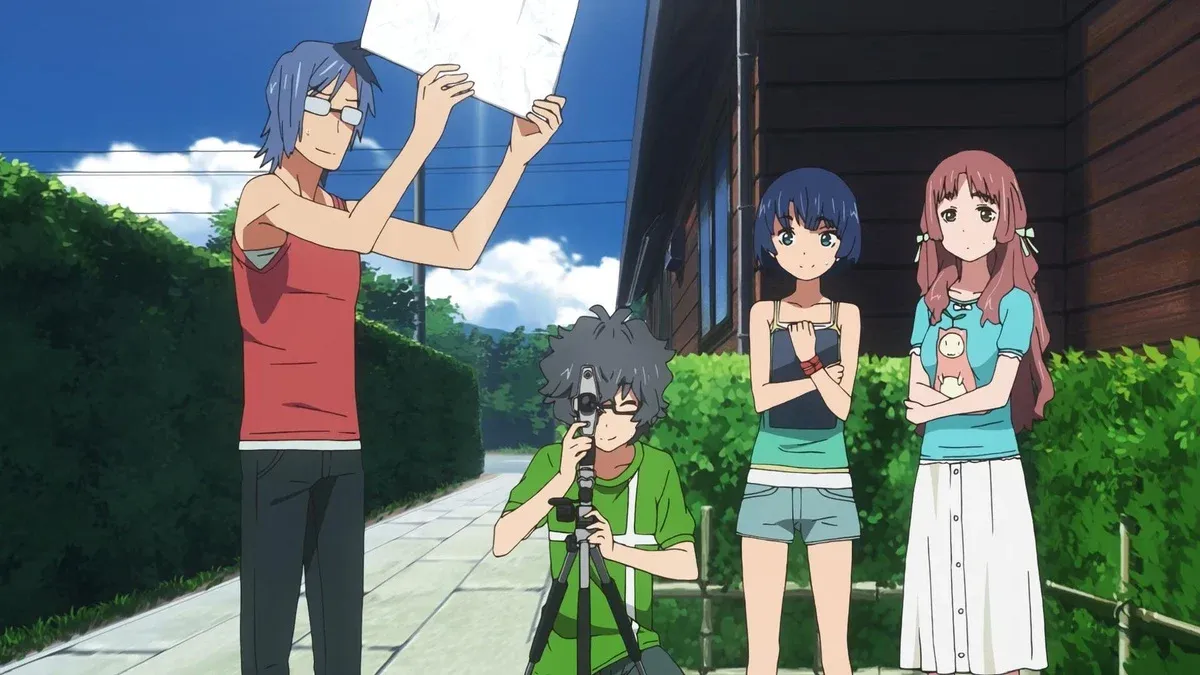
The narrative moves at a measured pace. Early episodes establish the group, the film project, and the gentle mystery surrounding Ichika. Mid-series the emotional threads tighten jealousy, unspoken affection, and the growing awareness that time is limited. The suspense is never about loud threats it is about what remains unsaid and what might be lost.
Pacing is generally strong. Lighter, comedic filming sequences sit comfortably beside quieter character moments. The final third raises the stakes without abandoning the intimate tone that defines the show. A few side diversions feel slightly less necessary than others, but they rarely derail the emotional through-line.
Themes & Writing
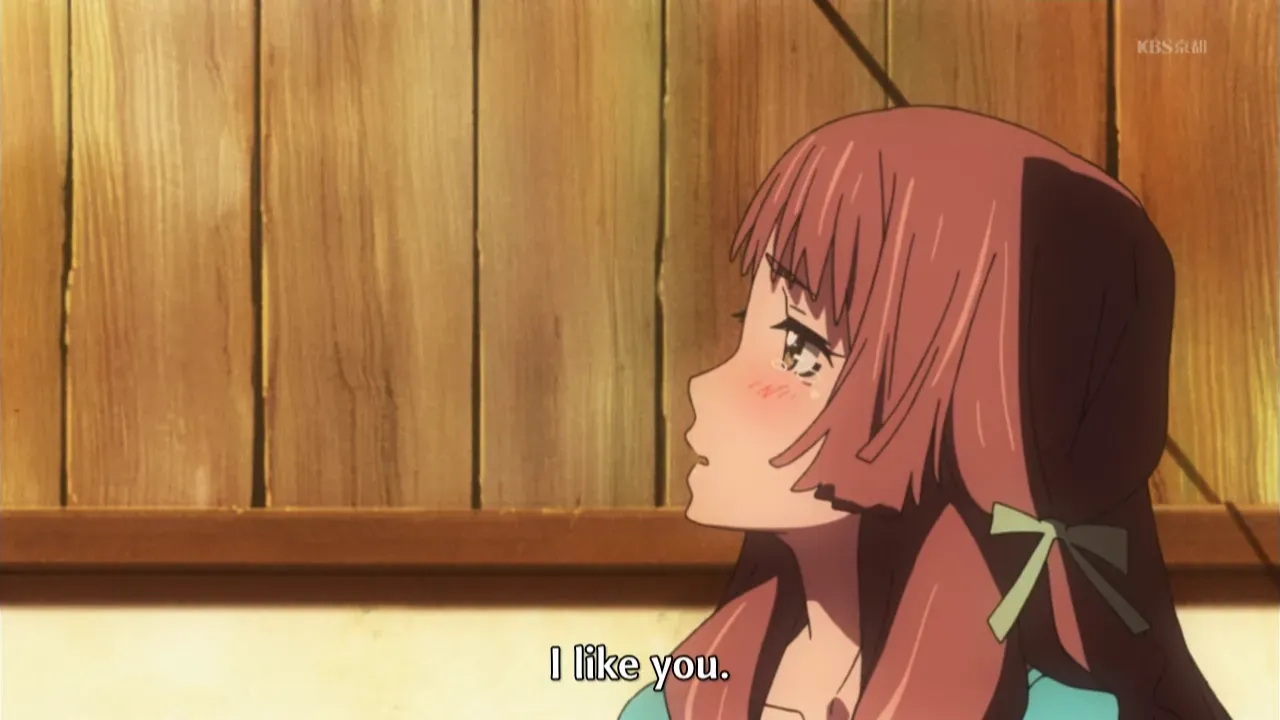
At its heart the series is about memory, the courage to speak, and the acceptance that some connections are both precious and temporary. The film the characters are making becomes a quiet metaphor for trying to hold onto moments that will not last. The writing trusts the audience to sit with ambiguity and with the messy reality of multiple overlapping affections.
The relationship dynamics are the clear highlight. Every pairing and triangle is given space to breathe. Characters do not simply pine, they act, get hurt, support one another, and they change. That willingness to let the group’s feelings remain complicated is what elevates the show above more formulaic romances. The interplay between Kaito, Ichika, Kanna, Tetsuro, and Mio feels especially well observed.
Animation & Art
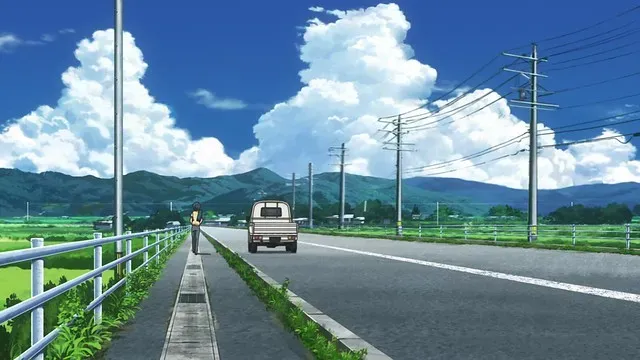
J.C.Staff, under director Tatsuyuki Nagai, delivers a warm, soft visual style that suits the summer setting. Character designs (originally by Taraku Uon, adapted by Masayoshi Tanaka) are clean and expressive. Backgrounds of the Nagano countryside feel lived-in and inviting. Action and sci-fi moments, when they arrive, are clear and purposeful without overpowering the quieter scenes. There are occasional moments of limited animation, typical of the era and episode count, but the overall presentation remains consistent and pleasant.
Music & Sound Design
The soundtrack, composed by I’ve Sound and Maiko Iuchi, matches the tone beautifully. The opening “sign” by Ray is bright and anticipatory. The ending “Vidro Moyou” by Nagi Yanagi is softer, more reflective, and lingers after each episode. Background scoring supports both the playful filming sequences and the more intimate emotional beats without drawing undue attention to itself. Sound design is understated and effective.
What Worked / What Didn’t
What worked:
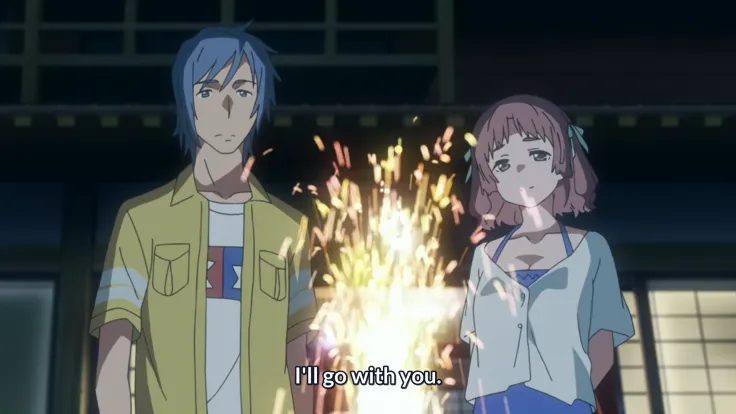
The relationship dynamics across the entire group are handled with unusual maturity. The suspense builds organically through secrets and limited time rather than manufactured conflict. Remon’s presence keeps the tone lively. The series respects its characters enough to let them speak and grow. The quiet growth of Kanna and the careful handling of Mio and Tetsuro stand out in particular.
What didn’t fully land:
A few secondary romantic threads resolve more quietly than some viewers might prefer. Certain mid-series side episodes feel slightly lighter than the emotional core. And the ending, while thematically consistent, leaves a degree of ambiguity that has confused many first-time viewers.
On the ending (Major Spoiler):
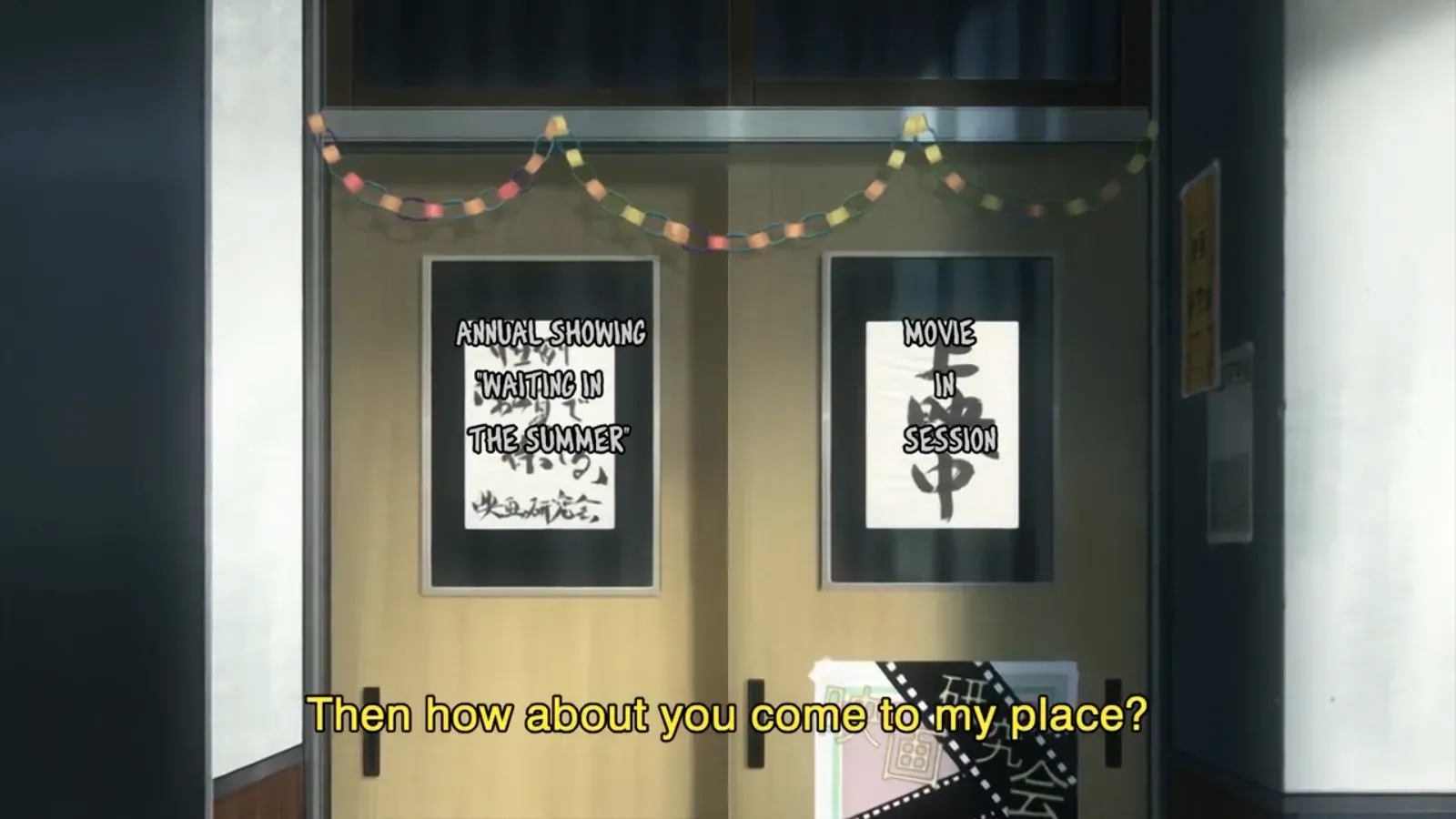
After the climactic events, Ichika is taken away. The group finishes their film years later. In the final scene of that completed film, Ichika appears wearing a gift Kaito’s sister had brought for her—implying she was able to return. The series deliberately chooses implication over explicit reunion, which some find understated and others find unsatisfying. The later OVA provides additional epilogue material that softens the open feeling for those who want clearer closure. The choice is intentional, the show values the memory and the bond more than a neat on-screen reunion.
None of these points outweigh the series’ strengths, but they are worth noting for balanced expectations.
Who This Is For
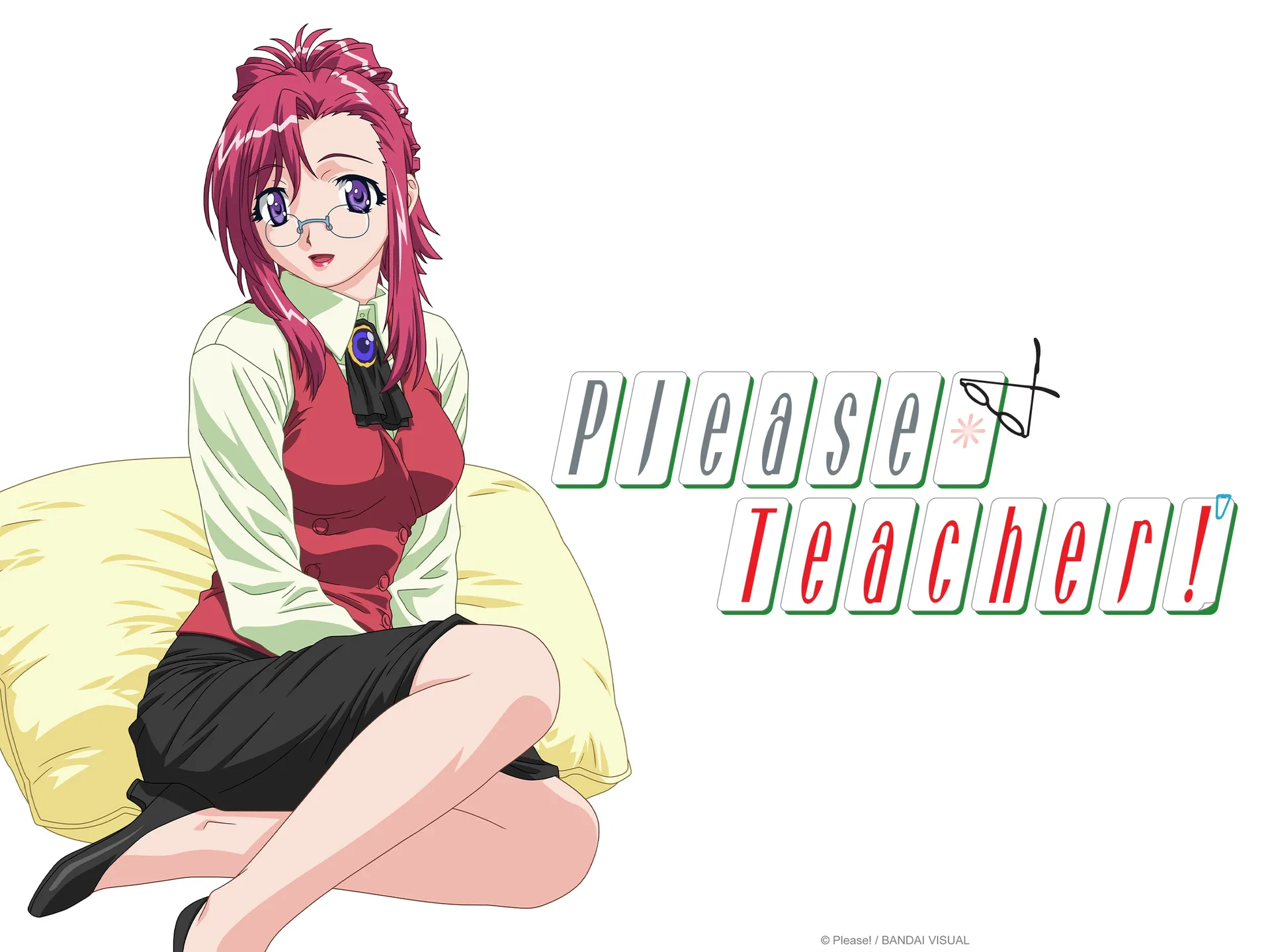
This is ideal for viewers who enjoy character-driven summer stories with genuine emotional weight, gentle mystery, and relationship dynamics that feel honest rather than schematic. Fans of Toradora!, Anohana, or the quieter side of Please Teacher! will likely find much to appreciate.
If you prefer fast-paced plots, constant high drama, or completely unambiguous endings, it may feel too measured. Those sensitive to mild fanservice should also note its occasional presence.
About the Original Manga & Author
Waiting in the Summer began as an original anime project conceived under the collective credit IChiKa, with screenplay by Yōsuke Kuroda and original character designs by Taraku Uon—the same creative pair behind the earlier Please Teacher! and Please Twins! series. Director Tatsuyuki Nagai brought his characteristic sensitivity to the production.
A manga adaptation illustrated by Pepako Dokuta was serialized in ASCII Media Works’ Dengeki Daioh from March 2012 to February 2013 and collected into three volumes. Two light novels written by Ichika Toyogawa with illustrations by Taraku Uon were also released in 2012. The anime remains the primary and most complete telling of the story.
Final Verdict + Score
Waiting in the Summer is a quietly confident series that trusts its characters and its audience. The relationship dynamics are its greatest strength, the suspense builds with real care, and the emotional honesty lingers. The ending’s ambiguity will not satisfy everyone, yet it remains consistent with the show’s gentle, reflective tone.
Final score: 8/10
Recommended for anyone who values thoughtful character work and a summer that feels both fleeting and lasting.
Closing
There is something lasting about a story that can make an ordinary film project feel as important as any grand destiny. Waiting in the Summer captures that feeling with warmth and restraint.
If you have seen it, I would be glad to hear which character dynamic stayed with you most—Kaito and Ichika, Kanna’s quiet strength, or perhaps Remon’s sharp presence—or how the ending landed for you. If you have not, it is a summer well worth spending.
Couch talk
Quiet on this thread so far — say something (we mod before it goes live).