Code Geass: Lelouch of the Rebellion Review
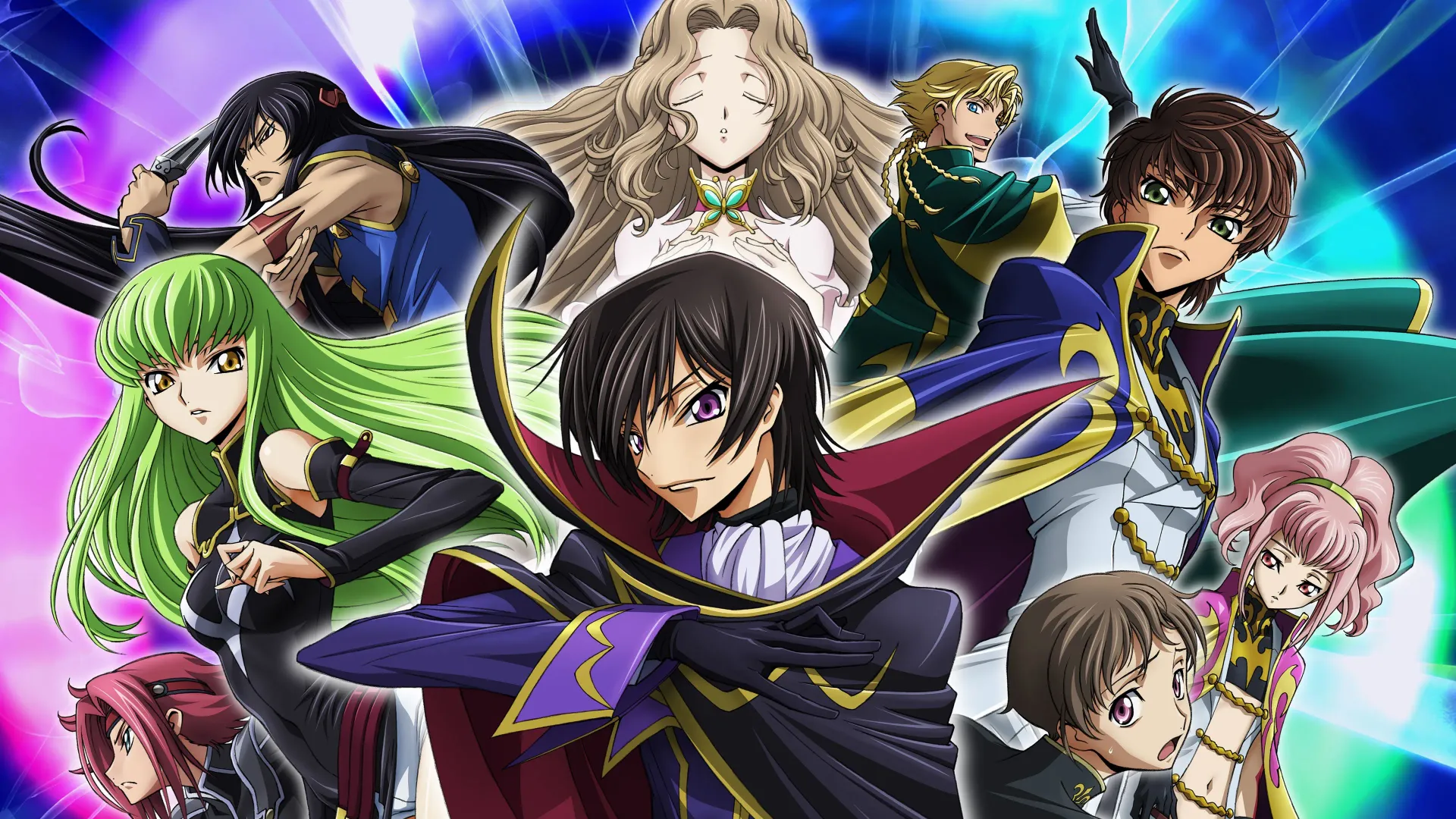
Studio: Sunrise
Episodes / Season: 50 episodes (R1: 25, R2: 25)
Genre: Mecha, Political Drama, Psychological, Action
Air date / Status: October 2006 – July 2007; April – September 2008 – Completed
My Score: 8.5/10
Introduction
Code Geass: Lelouch of the Rebellion is a chessboard painted as a war. Sunrise’s two-season run gives a banished prince a command in one eye and a mask, then asks whether a clever boy can rig history without becoming the thing he claims to hate. It is loud, theatrical, and sometimes ridiculous. It is also one of the cleanest statements mid-2000s anime made about power: there are two talented people, two methods, and a world that will not be saved cleanly by either.
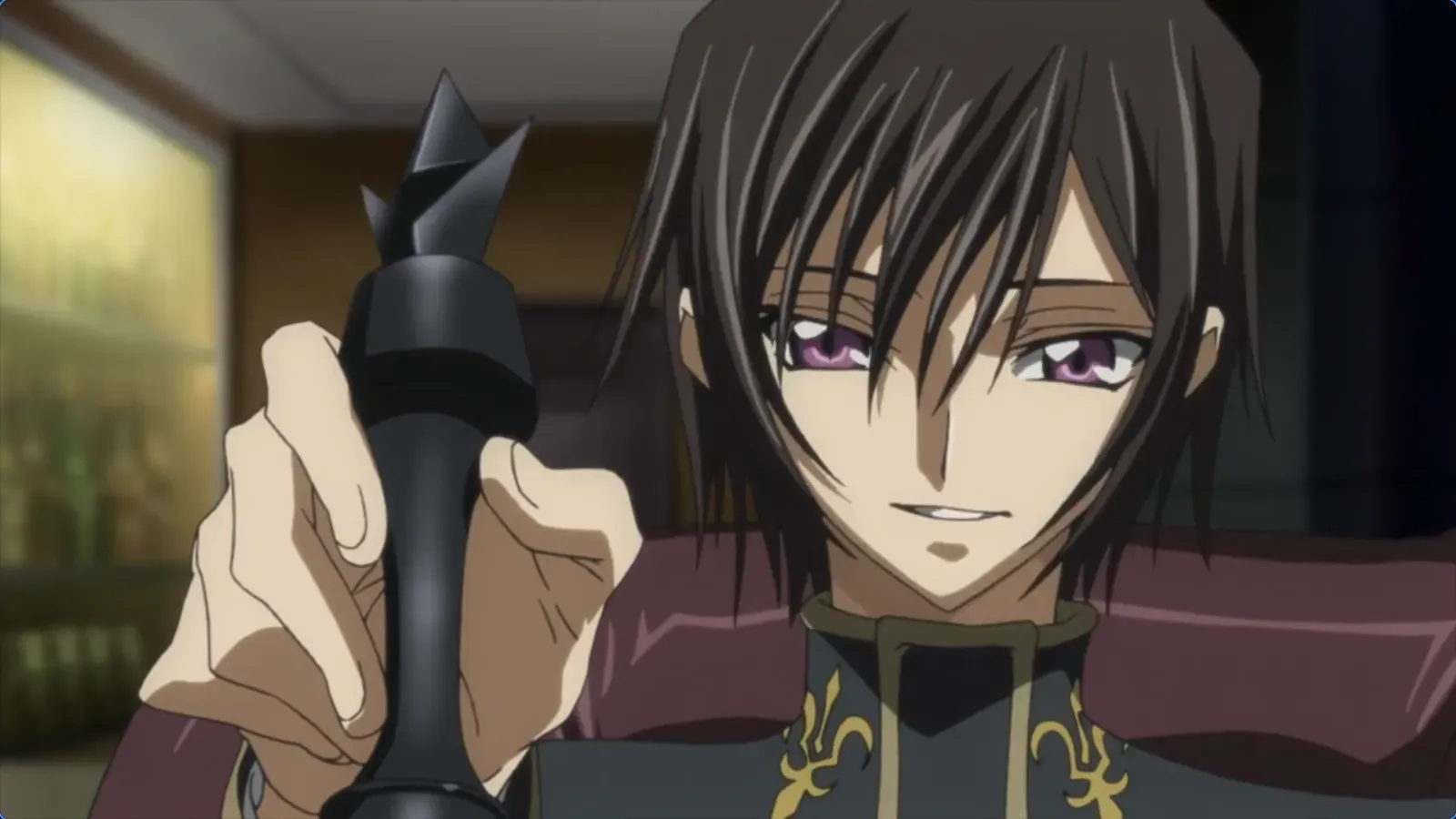
I like it as a machine more than I trust every gear. Lelouch is written as brilliant, and that brilliance is the hook and the problem. He is edgy in the old sense — he treats people as pieces because the board is the only place he feels honest — and the series is honest enough to let that exploitation look like heroism until it does not. An 8.5 is the score for fifty episodes that still snap when the tactics land, even when R2 starts stacking Geass rules, memory wipes, and speeches like extra knights on an already crowded file.
Spoiler warning: The synopsis stays with the premise. From Story & Pacing onward this covers the shape of both seasons — the Black Knights, the Special Administrative Zone, Zero Requiem — and only hints at the later “after” films. Watch first if you want the reversals cold.
Spoiler-Free Synopsis
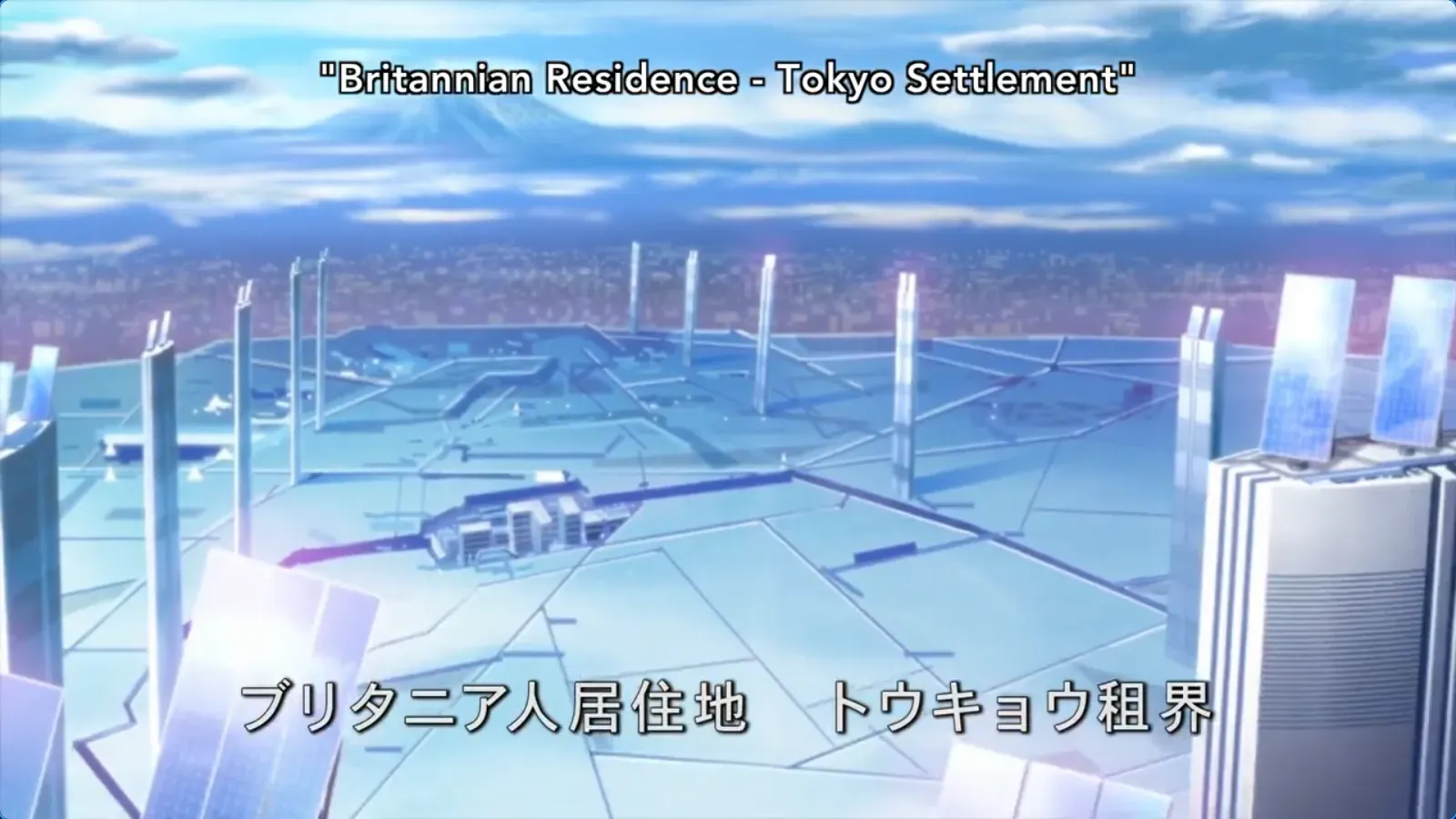
The Holy Britannian Empire has swallowed Japan and renamed it Area 11. Eleven years later, a student named Lelouch Lamperouge lives a double life that is mostly boredom and chess until a terrorist raid dumps him into a forbidden zone. There he meets a green-haired immortal, C.C., who offers a contract: the Geass, a power that lives in the eye and forces obedience.
Lelouch takes it. He already has a reason. His sister Nunnally vi Britannia is blind and in a wheelchair; their mother is dead; their father is the emperor who discarded them. He puts on a mask, names himself Zero, and starts building an army out of the people Britannia calls Elevens.
Opposite him, almost from the first night, is Suzaku Kururugi — childhood friend, Japanese, now a Britannian honor student in a prototype Knightmare Frame. Suzaku wants the same country changed. He wants it done from inside the uniform. The series is their argument wearing mecha armor.
Characters
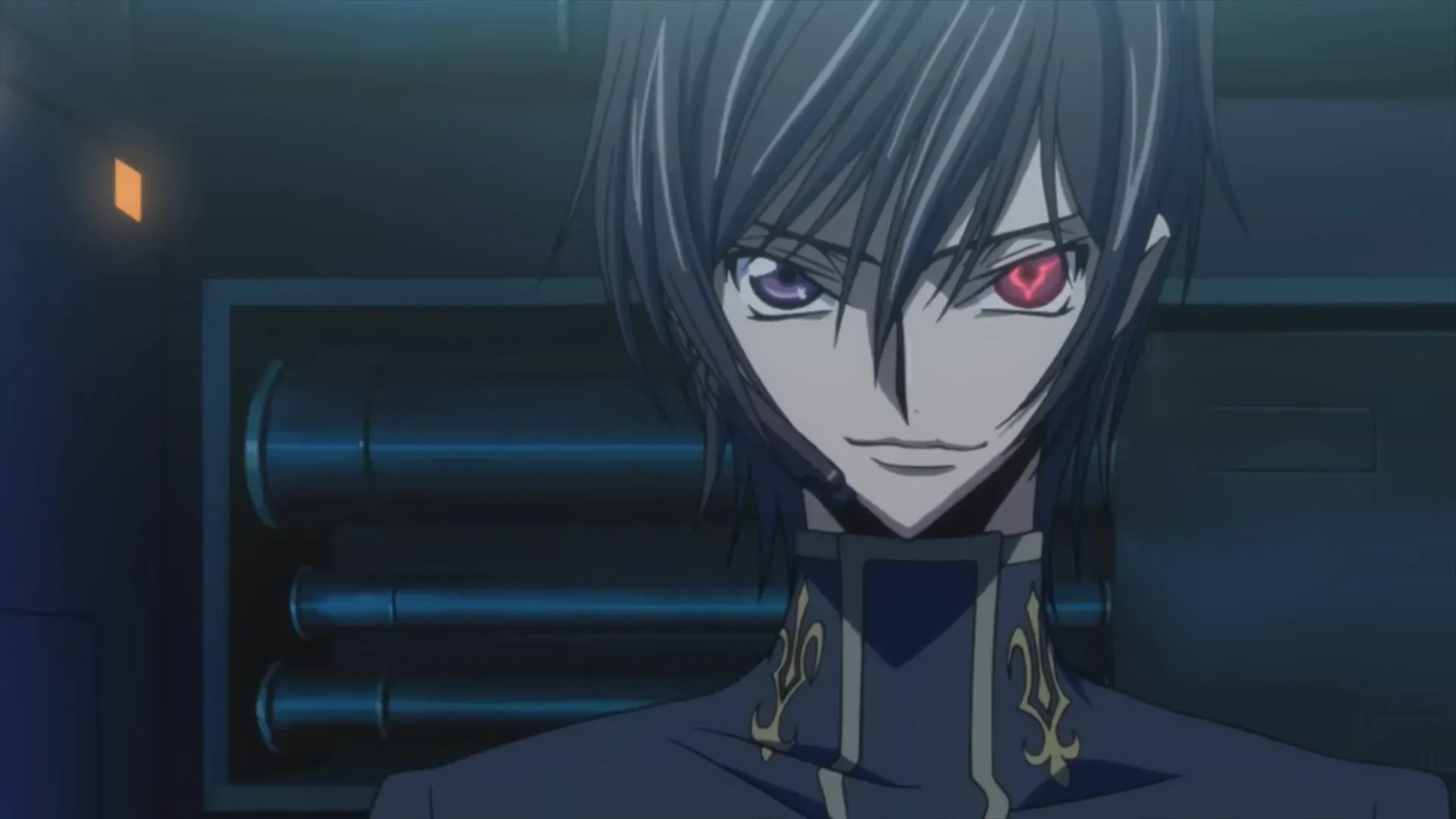
Lelouch is the show’s engine and its sharpest criticism of itself. Jun Fukuyama plays him as a boy who sounds older than he is: sarcastic in class, operatic in the mask, tender only in the rooms where Nunnally can hear him. The writing sells the intellect. He reads a battlefield the way other people read a timetable. What the writing also sells, if you are watching instead of cheering, is how quickly that intellect becomes extraction. Friends, soldiers, a classmate with a crush, even C.C. — they are resources first. The personal interest is never only “peace.” It is Nunnally’s safety, his own revenge, and the pleasure of being the only person in the room who already knows the next move.
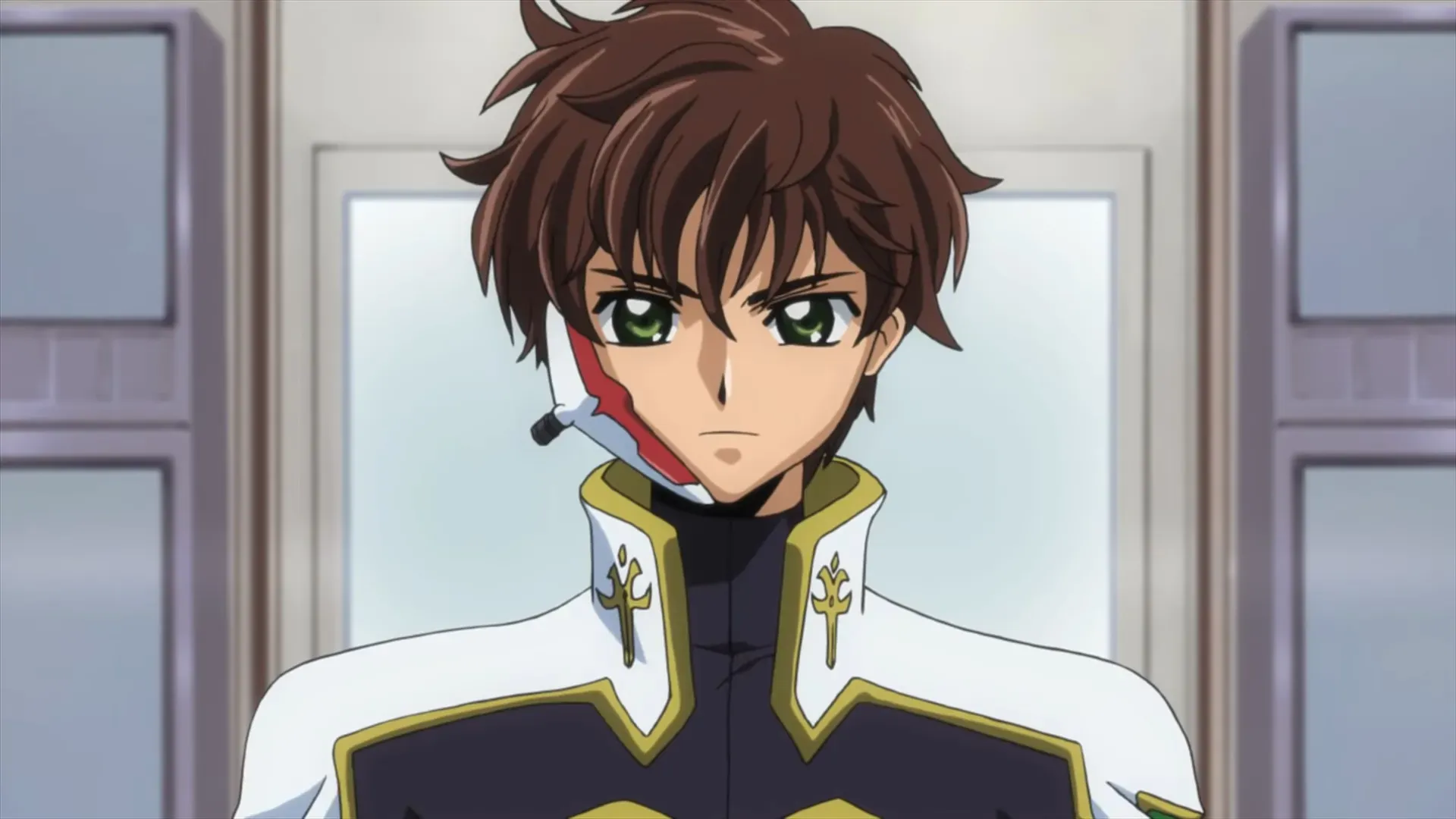
Suzaku is the other thesis. He believes the system can be walked through if you are willing to bleed for it. That belief looks naïve until you notice it costs him as much as Lelouch’s contempt costs everyone else. Their friendship is the series’ real dual protagonist structure: not two buddies on a team, two methods that cannot occupy the same future.
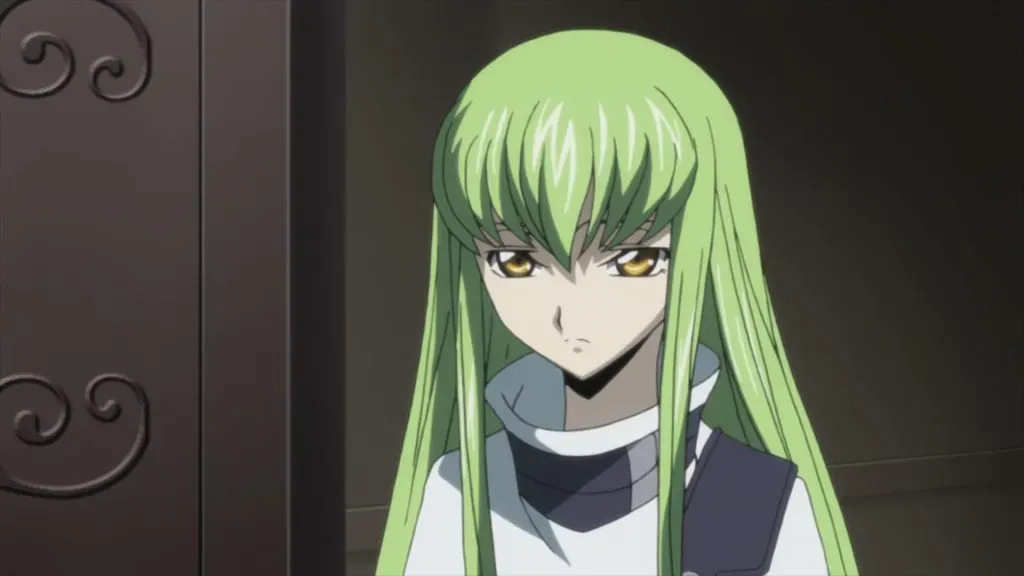
C.C. is the contract made flesh — dry, hungry, older than the plot, willing to sit through Lelouch’s speeches because she has heard versions of them before.
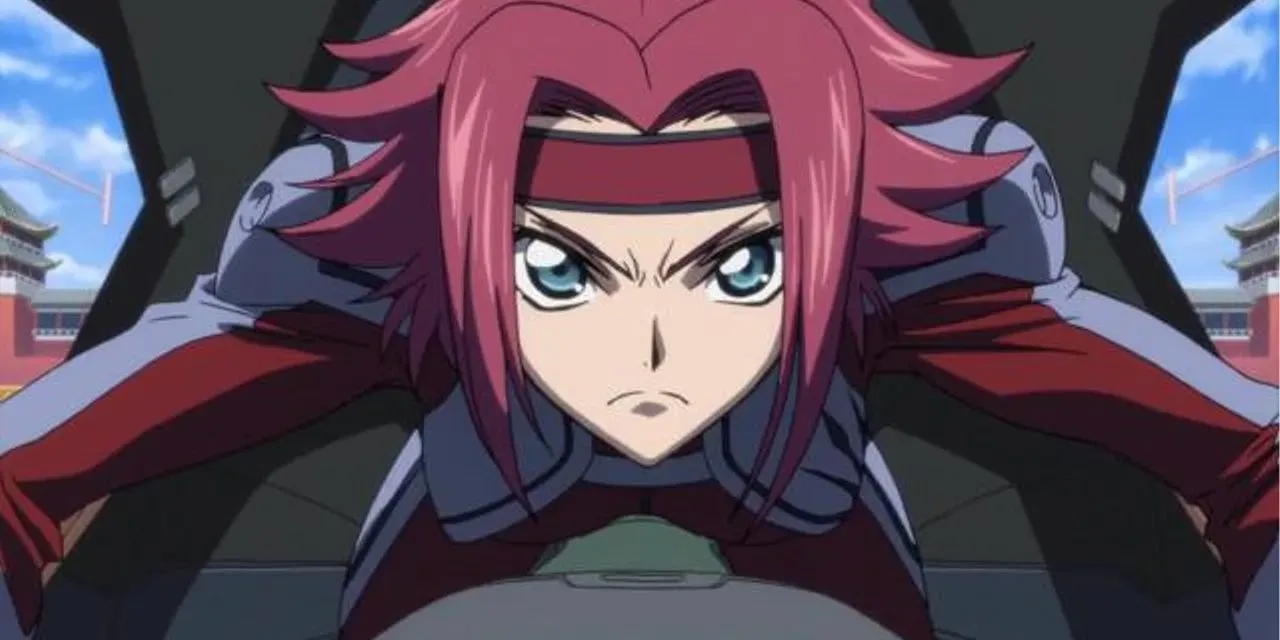
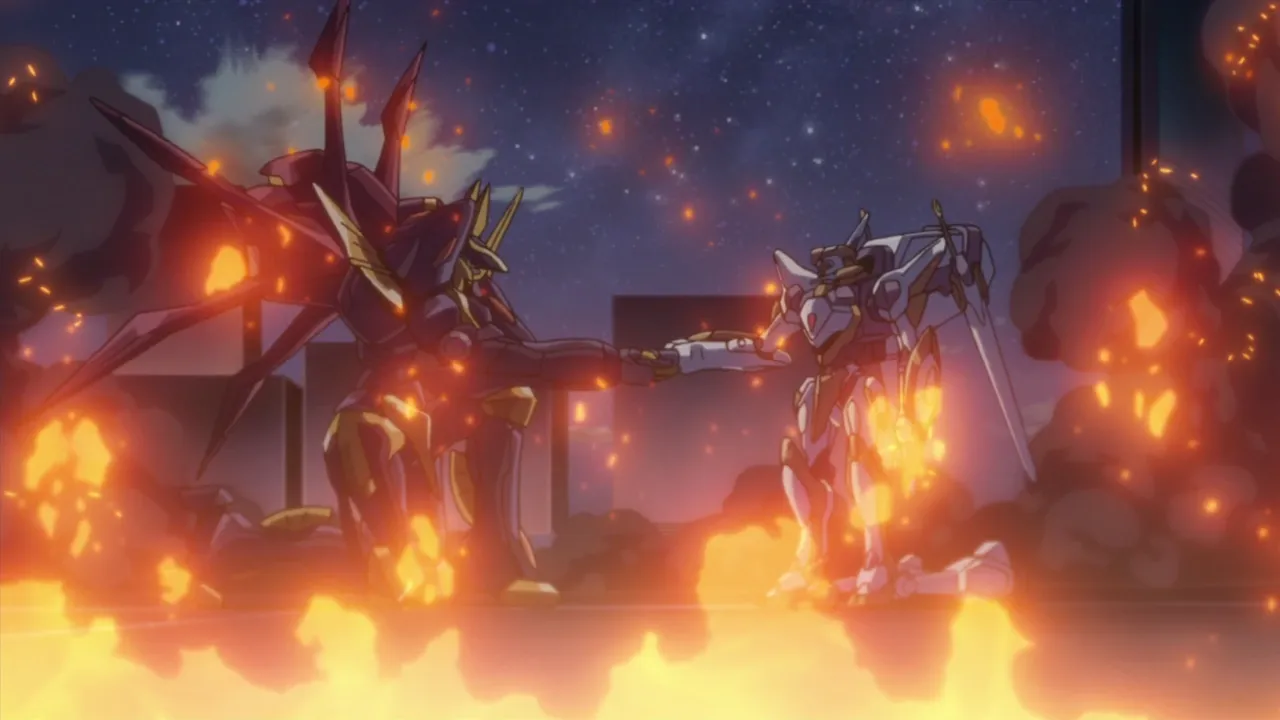
Kallen Stadtfeld is the pilot who makes Zero’s revolution look like something other than a prince’s hobby; the Guren is the show’s best visual argument that the occupied have teeth.
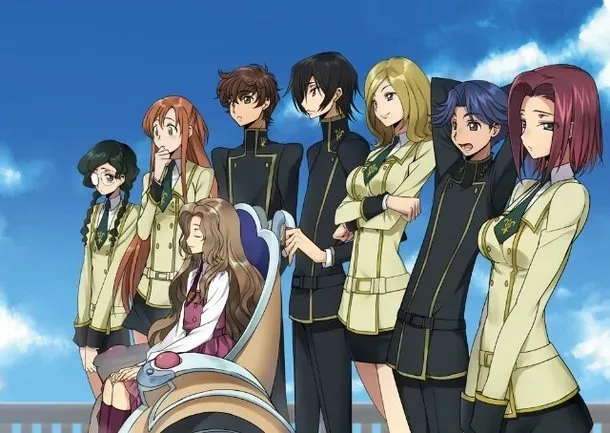
Around them sit a court of useful faces: Euphemia li Britannia, whose kindness is a political fact; Schneizel el Britannia, the brother who plays the same game without the mask; Shirley Fenette, who exists to remind you Lelouch still goes to school; Rolo Lamperouge, a late invention who feels like the writers adding another lever. Not every name earns the minutes. The ones that do are the ones forced to live with Lelouch’s choices after the speech ends.
Story & Pacing
R1 is the tighter machine. Student council comedy, Knightmare sorties, and Zero’s rising myth share episodes without quite apologizing to each other. The mid-season stretch around Narita and the Kyoto connection is where the political board becomes visible: Japan is not only a battlefield, it is a set of factions that Zero has to lie to in different dialects. The first season’s late turn — the Special Administrative Zone, the moment a Geass slips — is still the series’ best proof that a clever protagonist can write a scene he cannot take back.
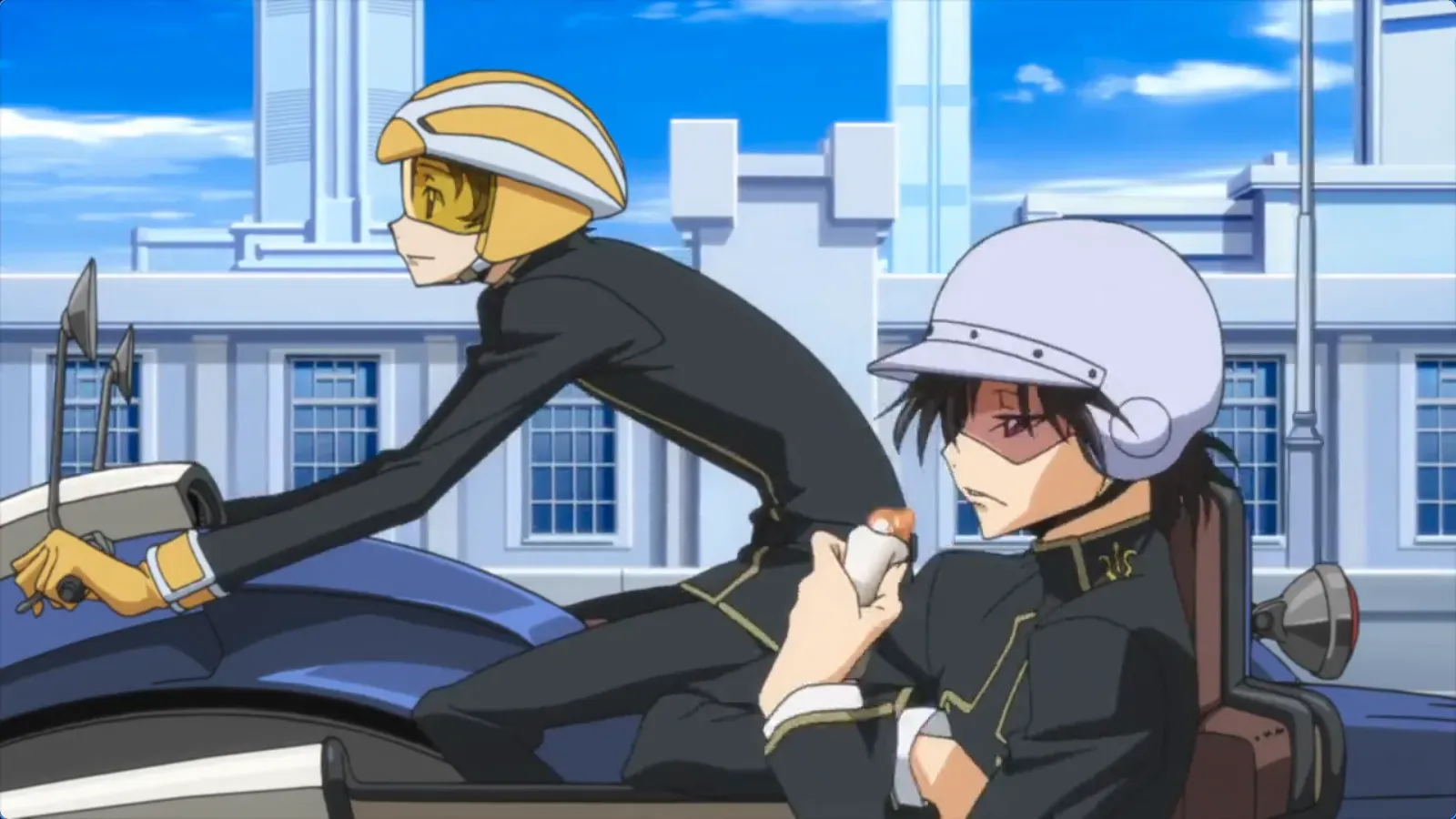
R2 has to restart the board. Memory, a new “brother,” the United Federation of Nations, the climb toward the throne: the architecture is ambitious and sometimes sloppy. Plans resolve because Lelouch is Lelouch. New Geass users appear when the plot needs a counter-piece. The school-life mask, already thin in R1, becomes a delay. And yet the last run of episodes remembers what the show is for. The Zero Requiem is not a twist so much as a confession: the only way Lelouch can finish his argument with Suzaku is to become the villain the world is allowed to kill.
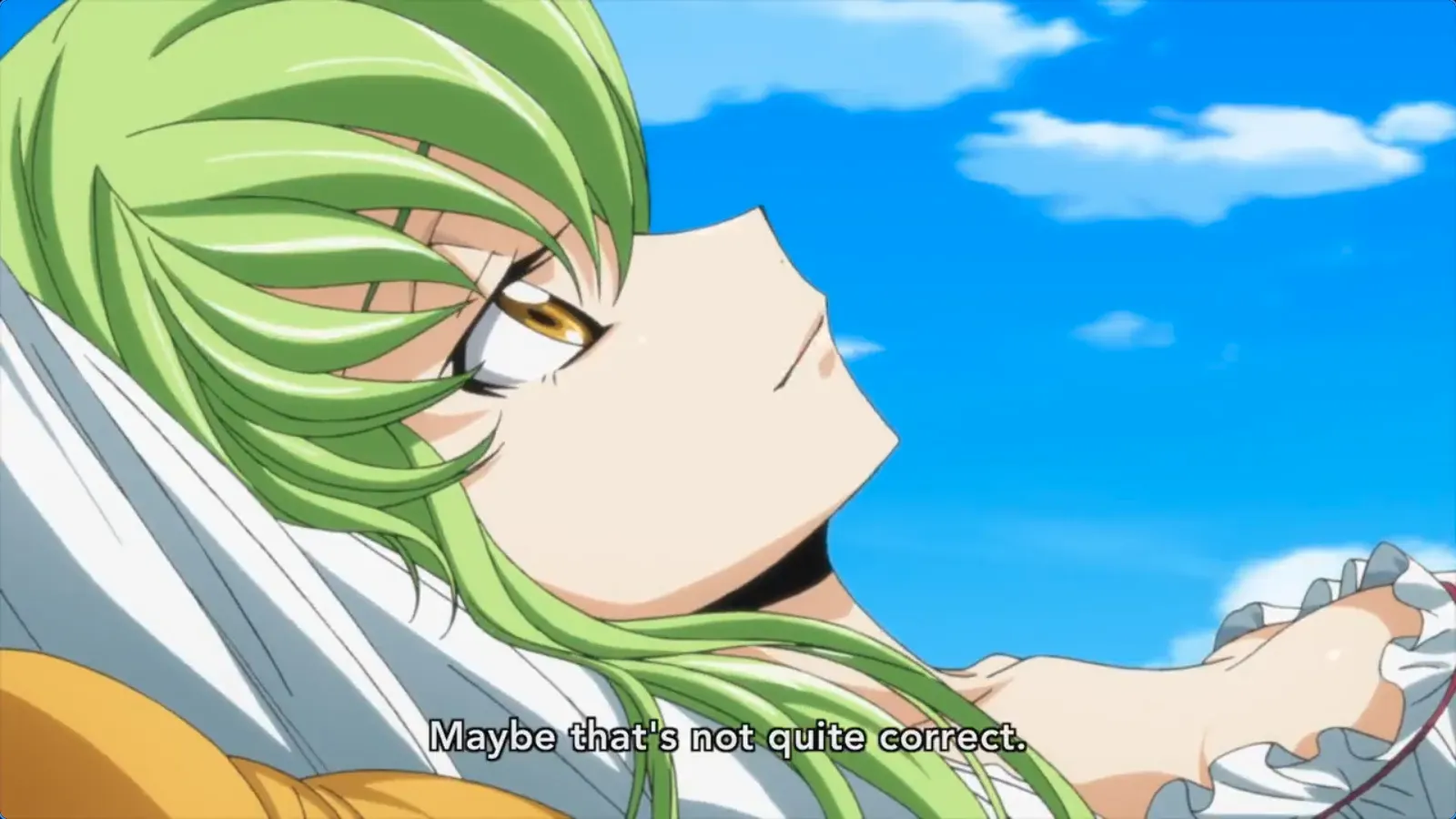
A later film continuity — compilation movies and Lelouch of the Re;surrection — offers a different after. This review treats that as a footnote. The television ending is the one the fifty episodes earn. The after-story is a studio saying the mask can be picked up again. You can visit it. You do not need it for the sentence R2 already finished.
Themes & Writing
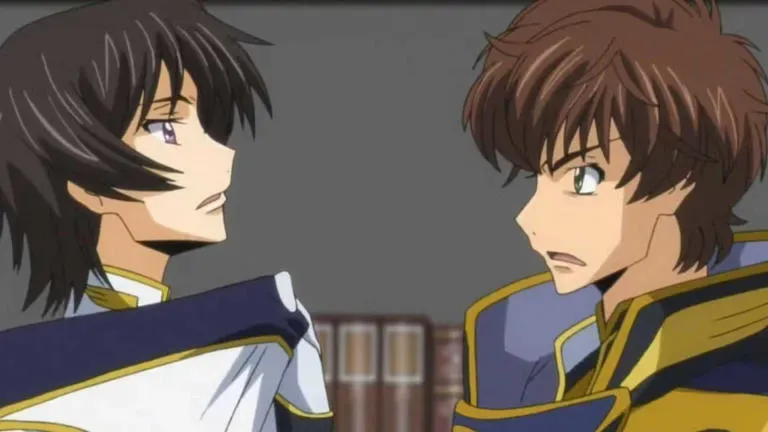
The series is about method. Lelouch wants the world rewritten from outside the law. Suzaku wants the law rewritten from inside the uniform. Both are talented. Both are willing to spend other people’s lives. Ichirō Ōkouchi’s scripts love the sound of ideology — justice, the weak, the future — and they are sharpest when those words collide with a body count Lelouch will not look at until Nunnally forces him to.
Geass is a writer’s gift and a crutch. Absolute obedience is a clean metaphor for charisma, for monarchy, for the lie a revolutionary tells a crowd. It is also a skip button. Too many mid-R2 scenes exist because someone could not be persuaded, only commanded. The better writing is the un-Geassed kind: Suzaku accepting a role that will destroy his name, Kallen realizing the man in the mask was always a Britannian prince, C.C. watching another contractor burn through a life.
Personal interest is not a side note. It is the theme. Lelouch’s rebellion is never purely public. That is why it works as drama and why it feels over-exploitative when the camera lingers on his smirk. The show wants you to enjoy the smirk. It also wants you to notice who pays for it.
Animation & Art
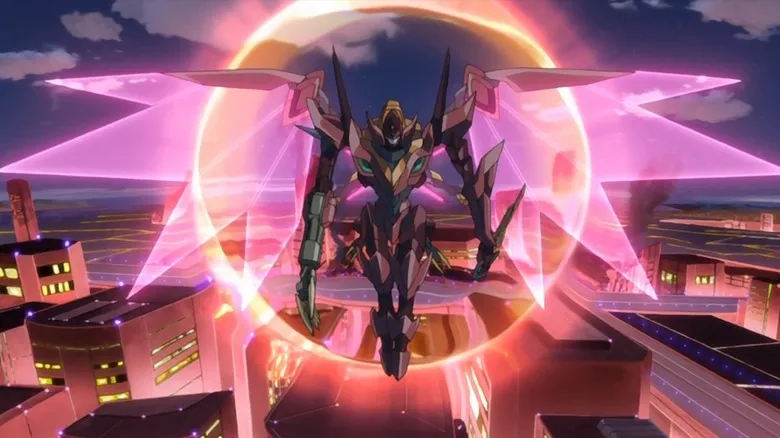
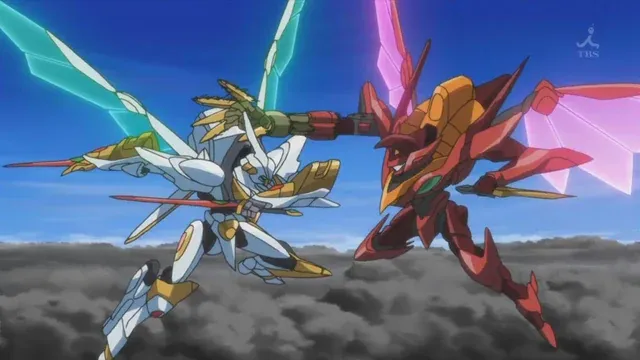
CLAMP’s character designs — long lines, theatrical hair, uniforms that look like they were drawn for a stage — give Sunrise a silhouette problem other mecha shows would kill for. You can read Zero across a street. Takahiro Kimura’s adaptation of those designs holds even when the sakuga budget is uneven. Knightmare Frames, especially the Lancelot and the Guren, have a toyetic clarity: white speed against red claws.
The unevenness is real. Crowd battles and late-R2 summit rooms sometimes flatten. School episodes look cheaper than war episodes, which is honest about where the money went. When the show cares — a Geass eye filling the frame, a mask hitting a floor, Tokyo on fire under a floating fortress — the 2006–08 television look still has bite.
Music & Sound Design
Kōtarō Nakagawa and Hitomi Kuroishi split the score between brass-and-choir opera and quieter piano that belongs to Nunnally’s rooms. The first opening, “COLORS,” is the series in one blast: youth, arrogance, a chorus that thinks it is already history. Insert songs during the late political turns do some of the emotional lifting the dialogue over-explains. Mechanical noise is treated as percussion. A Knightmare landing is a sentence.
Voice work carries more than the music. Fukuyama’s Zero voice is a performance of control; Takahiro Sakurai’s Suzaku sounds like a man arguing with himself in public. Yukana’s C.C. never begs the audience to like her. That restraint is why the contract feels older than the war.
What Worked / What Didn’t
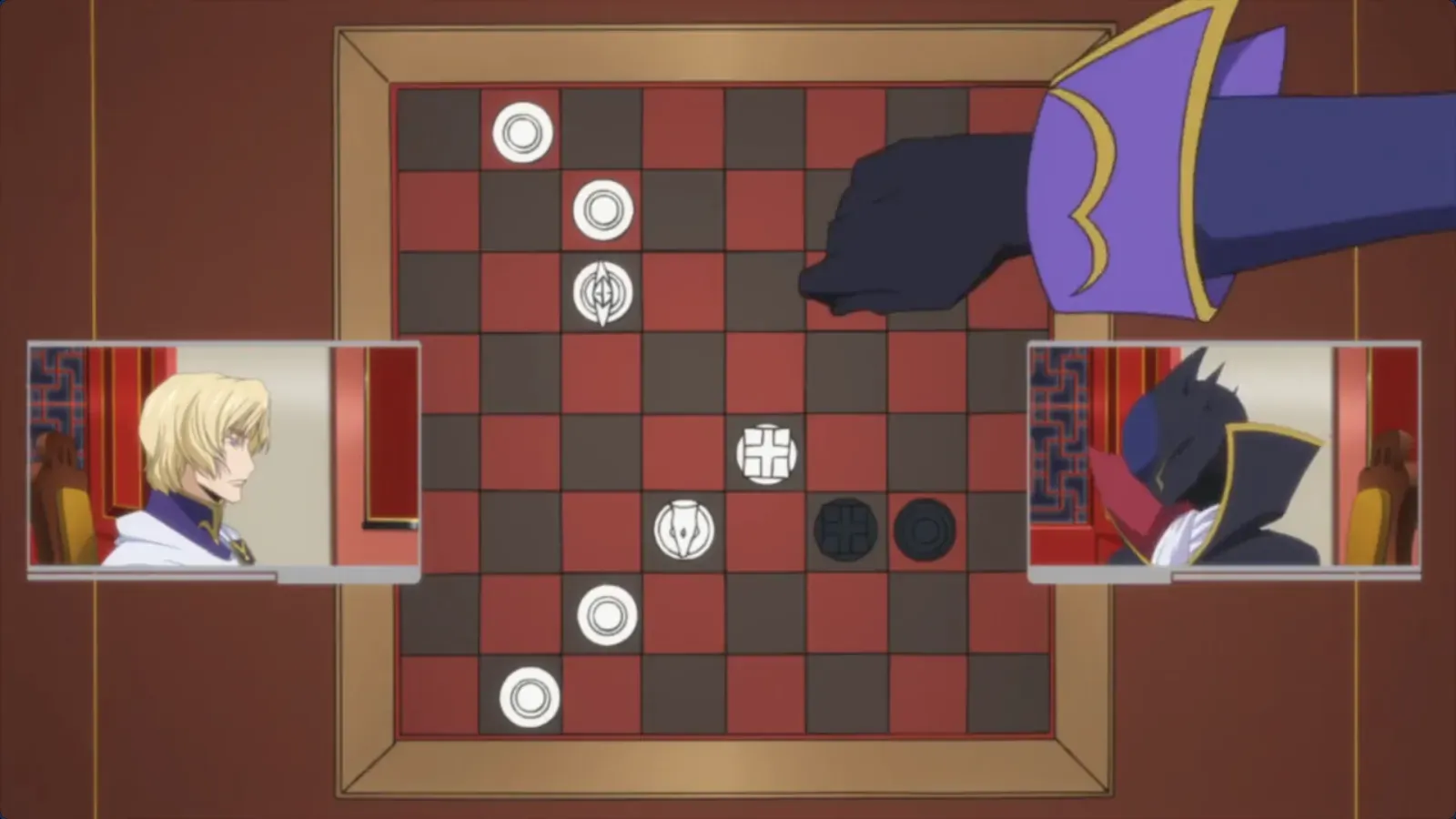
What works is the dual thesis. Two friends, two reforms, one occupied country. The set pieces where Lelouch out-thinks a room still play like magic tricks you can pause and reconstruct. The first season’s collapse of a peace plan remains one of the cruelest uses of a “power of kings” in the medium. The finale of R2 has the nerve to make the clever boy pay in the only currency the story respects: the story itself.
What doesn’t: R2’s opening reset, the pile-up of Geass exceptions, characters invented to be levers, and a habit of letting Lelouch’s competence paper over scenes that needed human mess instead of another perfect trap. The school comedy can be charming. It can also feel like the show stalling because it likes its toys. And Lelouch’s exploitation of the people closest to him is sometimes framed as dark charisma when it is simply selfishness with better lighting.
Who This Is For
This is for viewers who like political mecha that still wants to be a high-school show on Tuesdays; for people who enjoy a protagonist who is smart and not kind; for anyone willing to sit through uneven middle chapters to reach a finale that actually closes an argument. Skip it if you need moral cleanliness, if you bounce off 2000s mecha designs, or if a lead who uses friends as material will sour the whole meal. It is shonen politics with an opera budget, not a documentary about occupation.
About the Creators
Code Geass is an original anime. Gorō Taniguchi directed; Ichirō Ōkouchi wrote. Both had already worked with Sunrise — Taniguchi on Planetes and s-CRY-ed, Ōkouchi on scripts inside the studio’s mecha line — and producer Yoshitaka Kawaguchi brought them together after Planetes. CLAMP designed the characters. Kadokawa published several manga adaptations rather than a source text: Majiko!’s Lelouch of the Rebellion ran in Monthly Asuka (2006–2010, eight volumes) and received an English edition from Bandai Entertainment; other spins followed Suzaku, Nunnally, and later eras. The television series remains the primary work. The 2017–18 compilation films and 2019’s Lelouch of the Re:surrection are a side continuity, not a replacement spine.
Final Verdict + Score
8.5/10. Watch both seasons as one fifty-episode argument. Lelouch is dazzling and extractive; Suzaku is stubborn and costly; the world they want does not survive either method intact. That is the point. Come for the tactics. Stay if you can stand a hero who treats the board as more real than the pieces.
Closing
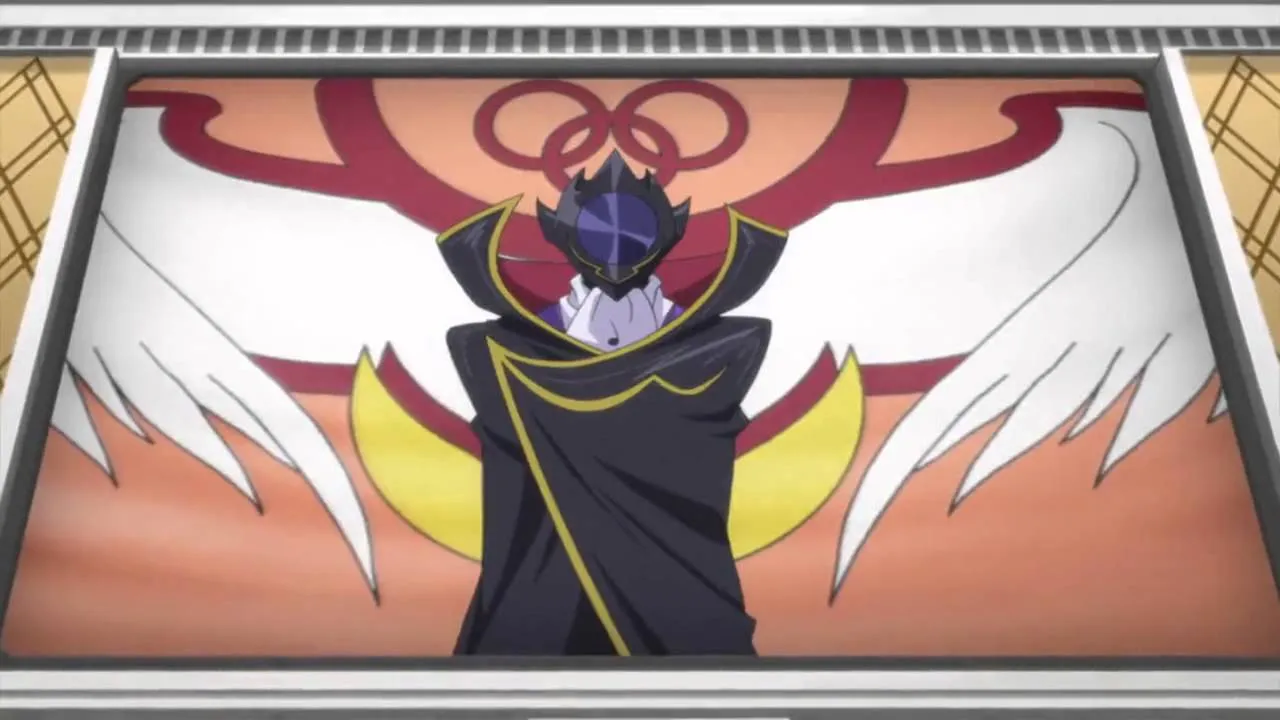
I still replay the moments when the mask works and the moments when it is only a boy hiding from his sister. Code Geass wants both. If you have a favorite trap, a least-favorite use of Geass, or a side you still argue in comment sections years later — Lelouch’s rewrite or Suzaku’s uniform — say so. The board is large enough for the fight.
Couch talk
Quiet on this thread so far — say something (we mod before it goes live).