Summer Time Rendering an AINME Review
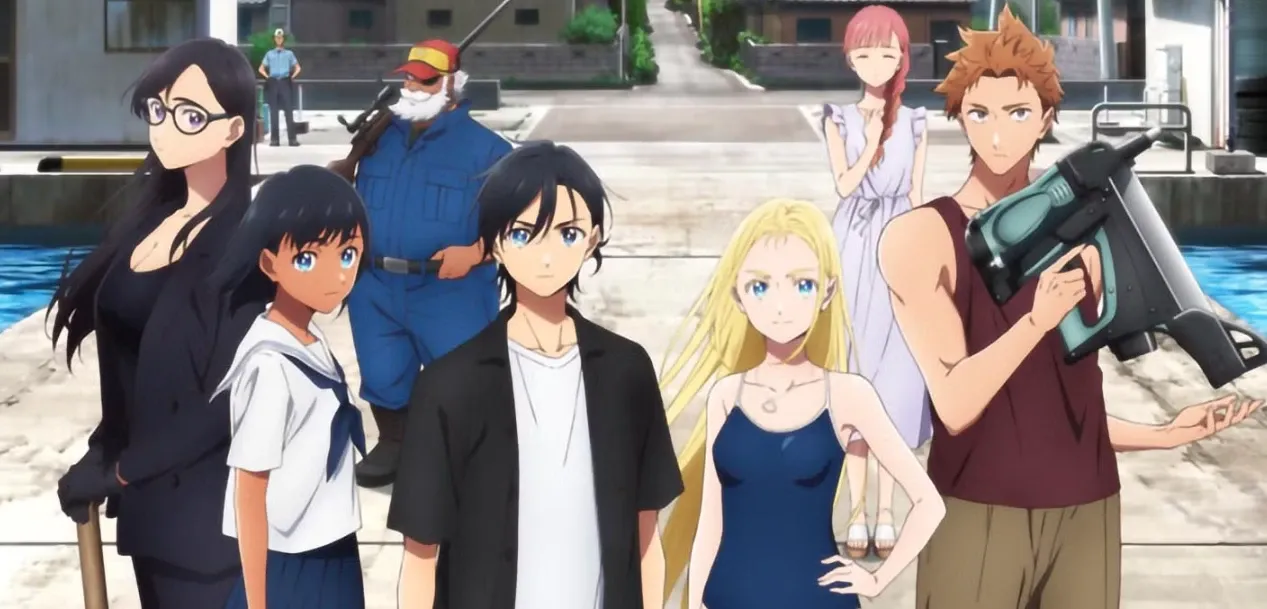
Studio: OLM (Team Kojima)
Episodes / Season: 25 episodes (complete series)
Genre: Mystery, Supernatural, Thriller, Time Loop
Air date / Status: April 15 – September 30, 2022 – Completed
My Score: 9/10
Introduction
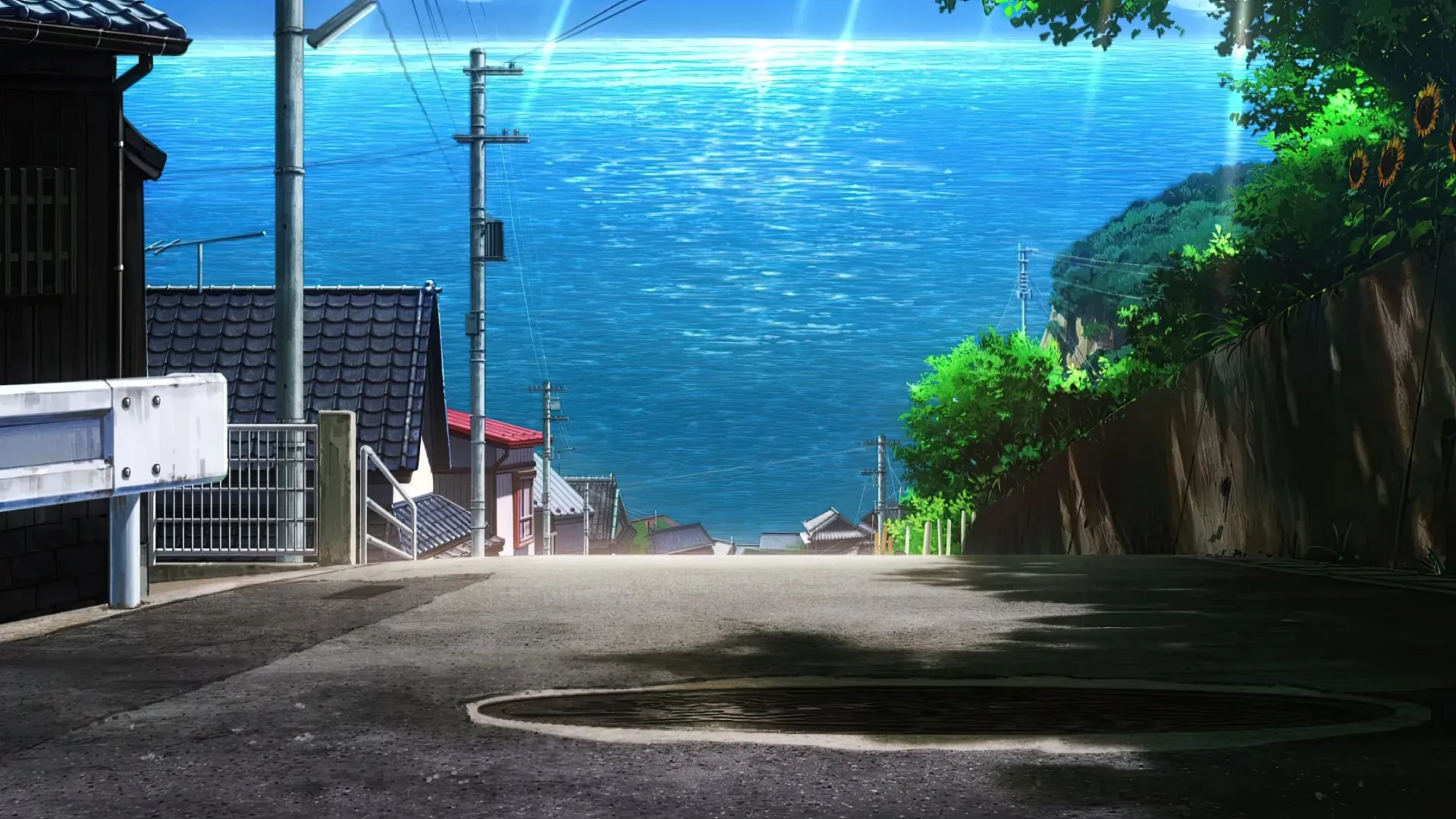
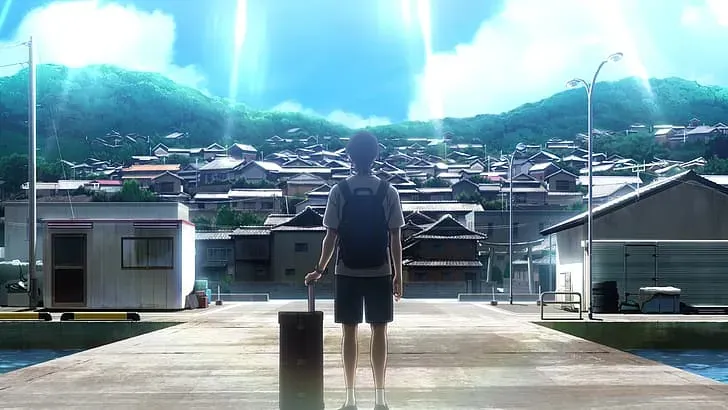
Summer Time Rendering looks like a vacation postcard for about twelve minutes. Ferry, cicadas, a sleepy island off Wakayama, a guy coming home for a funeral. Then the postcard starts lying. Faces do not stay on the people they belong to and days refuse to stay finished. What begins as “something is off about this drowning” turns into one of the cleanest full-course thrillers anime put on television in 2022.
I like this show a lot as I kept saying just one more episode and then it was 2 a.m. OLM and Ayumu Watanabe got a completed manga, adapted all of it in twenty-five episodes, and actually stuck the landing. That almost never happens this neatly.
Spoiler warning: The synopsis is premise only. From Characters onward this talks about the shape of the whole run — loops, Shadows, who walks beside Shinpei, how the island’s secret scales up, how episode 25 closes the door. It does not walk the twist list. If you want the funeral cold, watch first.
Spoiler-Free Synopsis
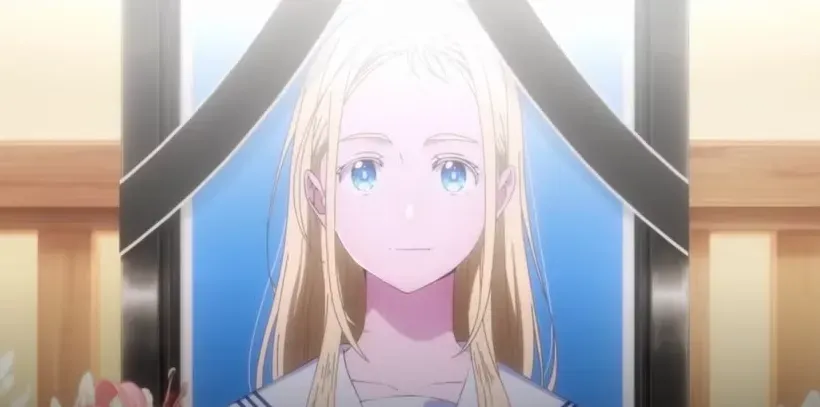
Shinpei Ajiro left Hitogashima for Tokyo after growing up in the Kofune household. Two years later he comes back because Ushio Kofune is dead. Drowned, official story, trying to pull a kid out of the water. Her little sister Mio Kofune is holding the family restaurant together. Their father is trying to keep the grill running like grief is just another lunch rush. Shinpei’s old friend from the island clinic is already whispering that the death does not sit right.
The island has a local ghost story about meeting your double. People treat it like folklore until the doubles start wearing the faces of people they loves. Dying does not end the week, it sends him back to the ferry with more information and less room to waste it. The job is simple on paper: figure out what the Shadows want before the summer festival turns the whole island into a meal.
Characters
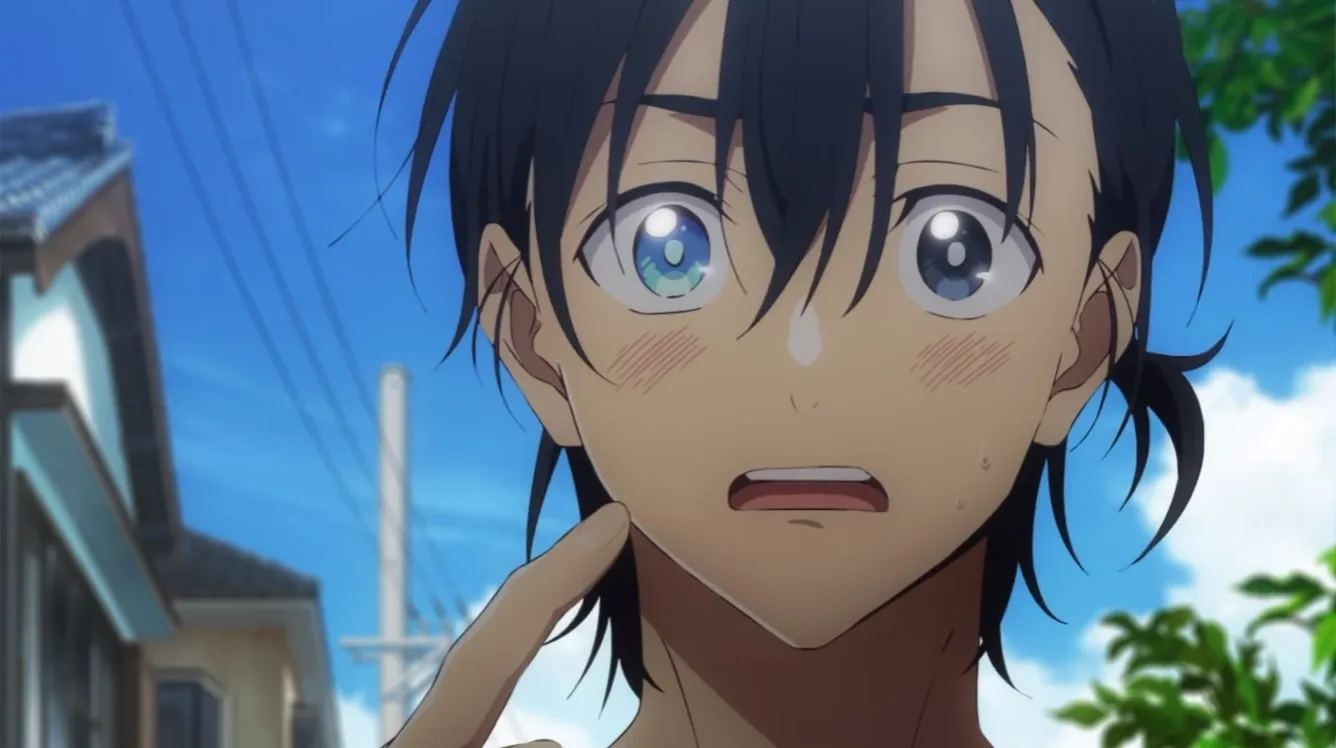
Shinpei is the rare time-loop lead who feels like a person instead of a walkthrough. He is sharp without being a smug genius, he notices small breaks in a room — a glance that lasts too long, a story that does not match last Tuesday — and he uses the loops like a notebook, not a cheat code. You can feel the fatigue pile up and that matters. A lot of loop stories reset the body and forget the mind this lets him get tired.
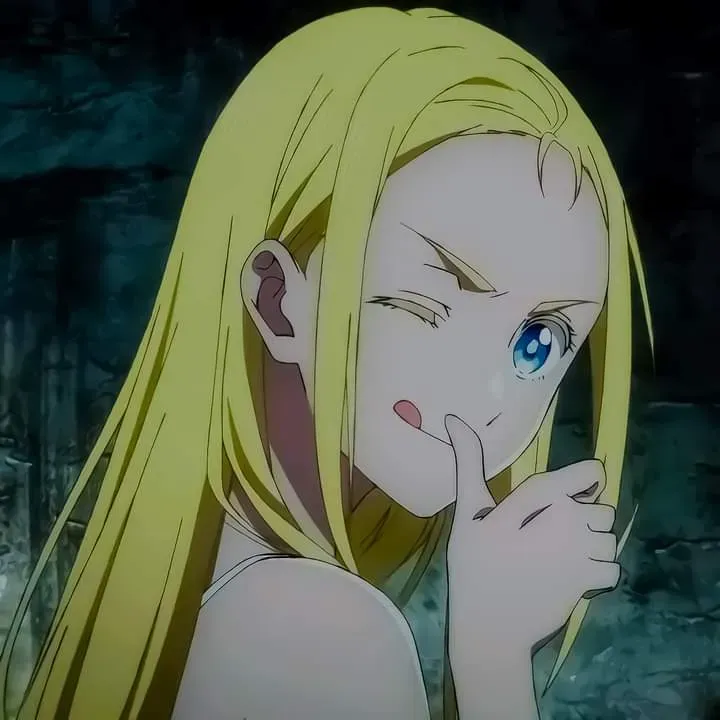
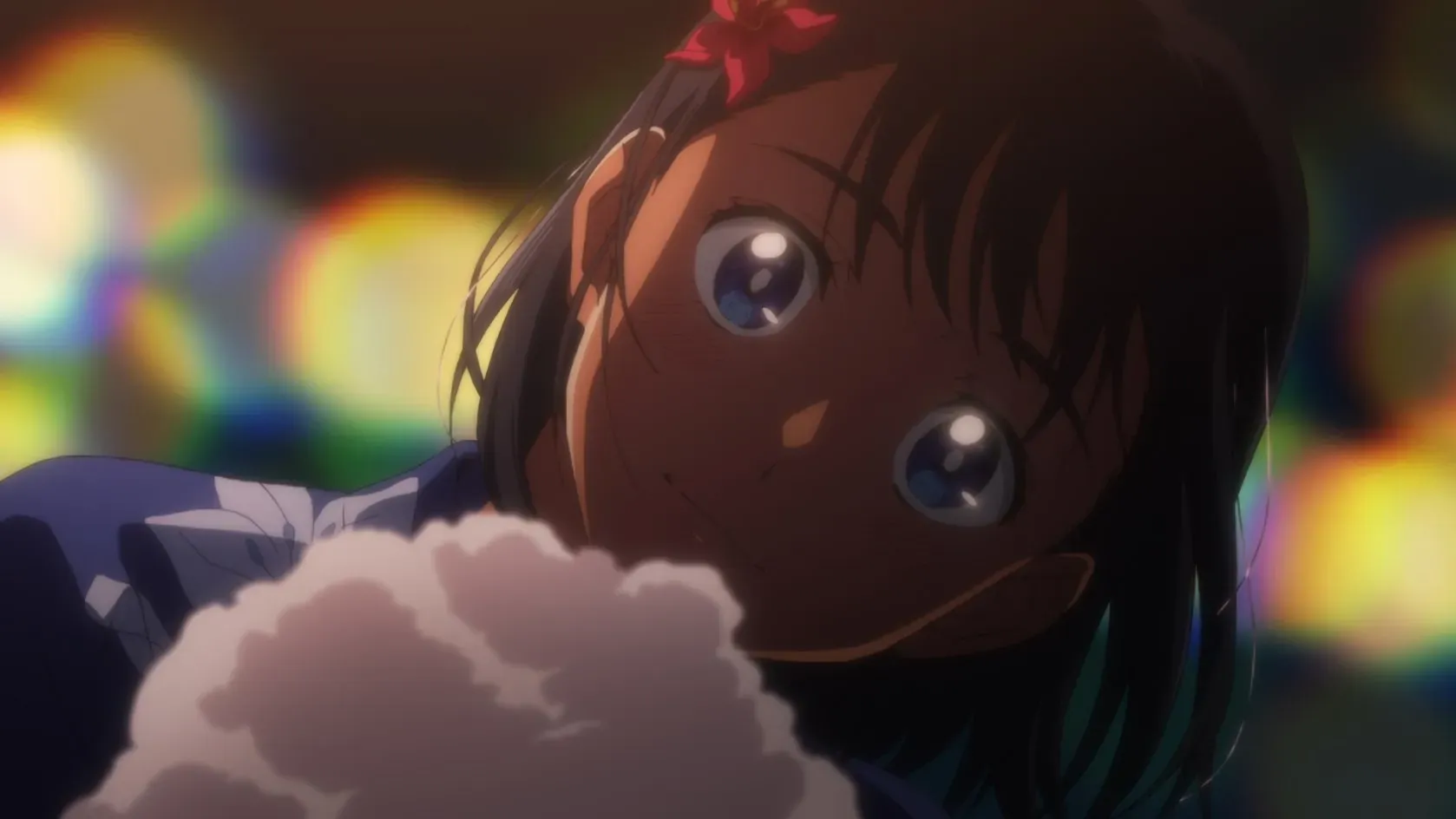
Ushio is the reason the show has a pulse. The human girl you meet through memory is loud, stubborn, a little messy about her feelings, the kind of person who would jump in the water first and argue about it later. Then the story gives you another Ushio — a copy who has her face, her will, and a hole where a childhood should be — and asks you to care about both without turning either into a twist prop. Their partnership is the engine. He plans - she charges. When they are in the same shot, the thriller remembers it is also a story about someone who came home.
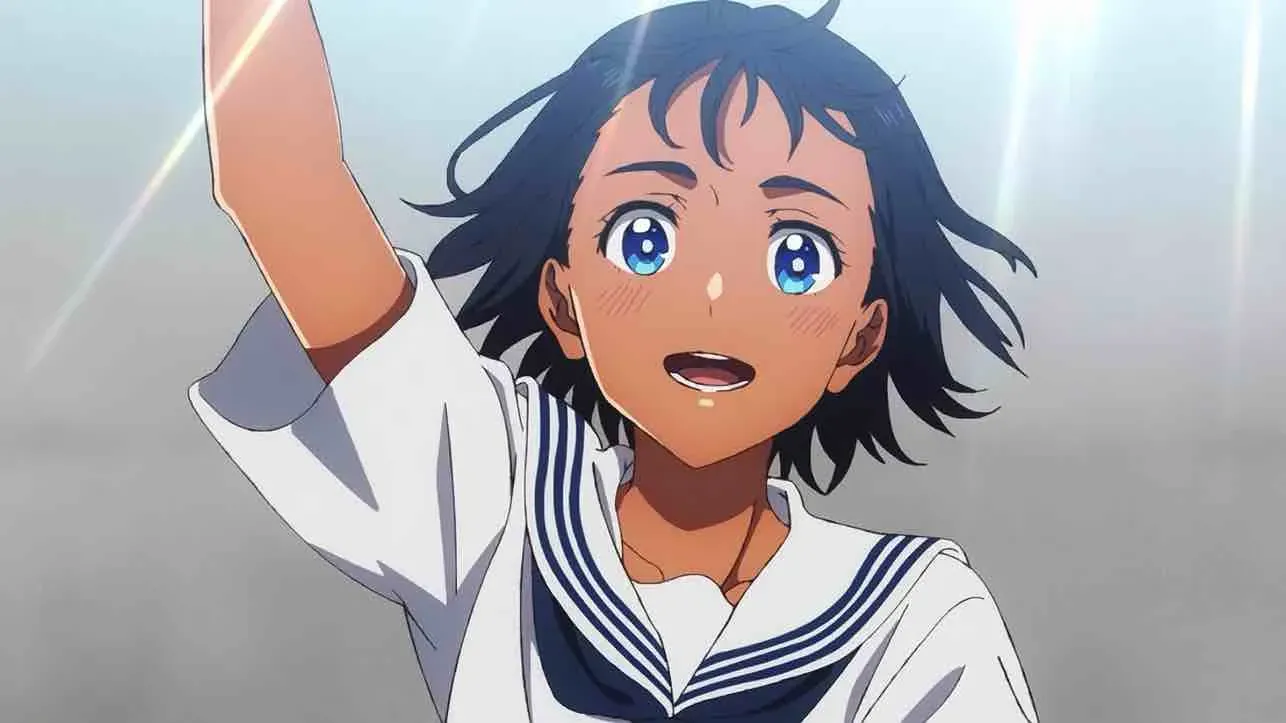
Mio is not just “the other sister.” Early on she is the warm, grounded one, the person Shinpei can still sit across a table from. The writing puts her in a brutal position: loved, watched, and usable by something that wears familiar skin. When the show finally lets her choose instead of only survive, it lands because you have watched her get denied that choice for so long.
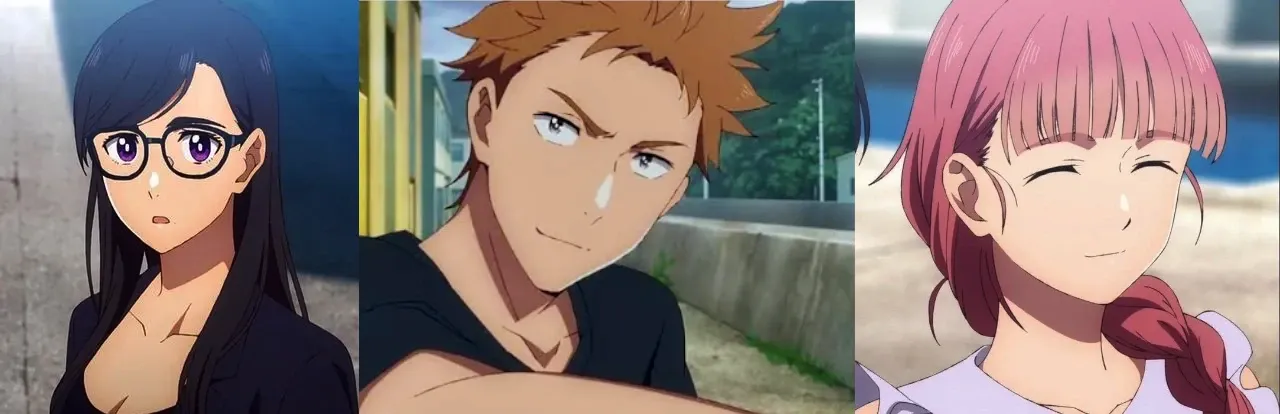
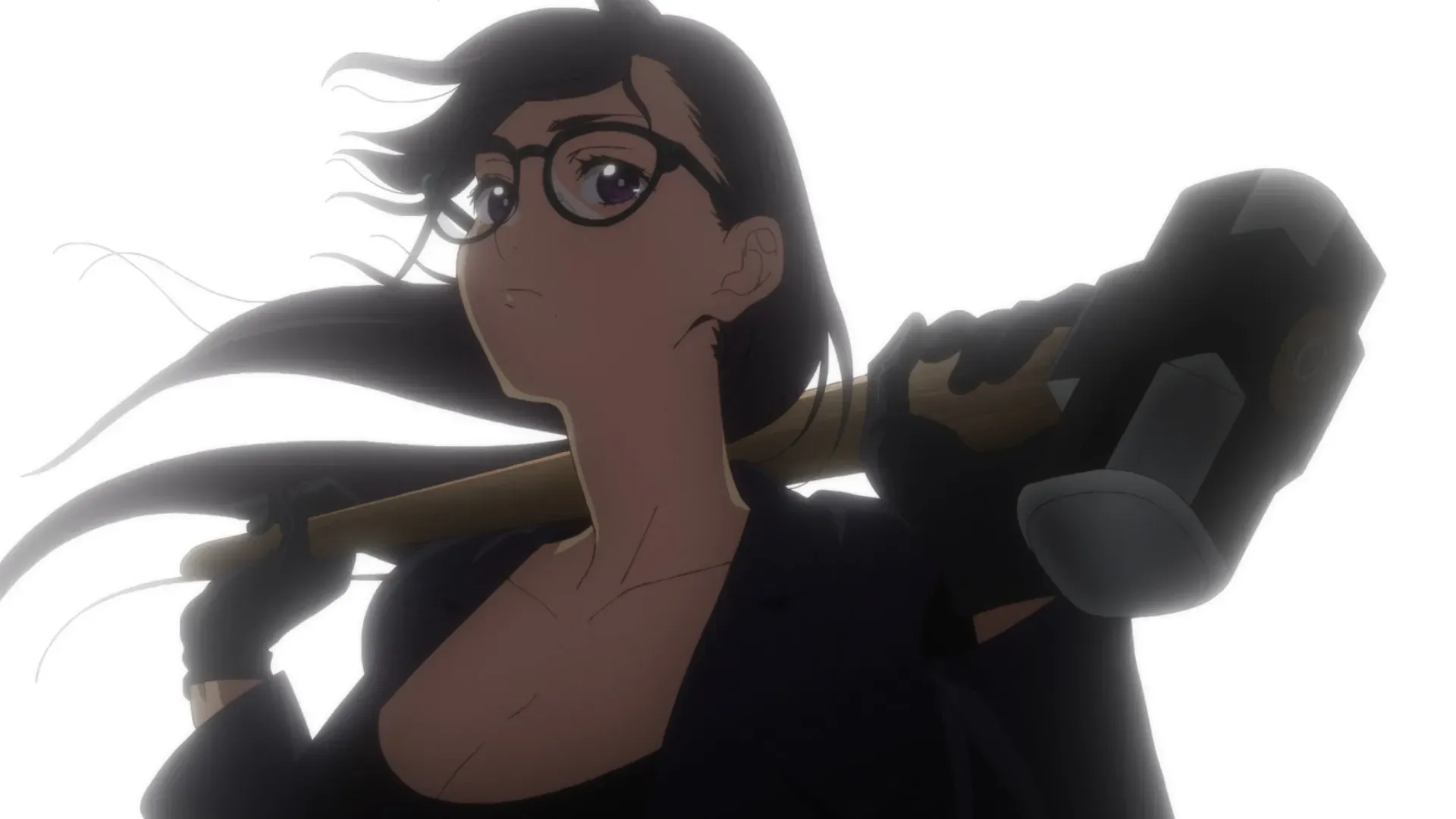
Hizuru Minakata walks in like she wandered out of a different, cooler manga and then earns the swagger. Novelist, survivor, the adult who already lost this fight once. She is the best supporting piece in the cast — dry, angry, useful. Sou Hishigata and Tokiko Hishigata carry the island’s other household, the clinic family whose kindness has a shadow under it. Sou is the childhood friend who wants to help and keeps arriving a step too late; Tokiko is quieter and, in some ways, braver about what she is willing to become. Around them: a father who cooks, a priest who knows more than a shrine should, a cop who is not ready for this job, and a “god” who started as a girl far from home.
The Shadows work because they are not generic monsters. Copying someone is intimate. It steals mannerisms, memories, the way a person says a name. That is scarier than claws.
Story & Pacing
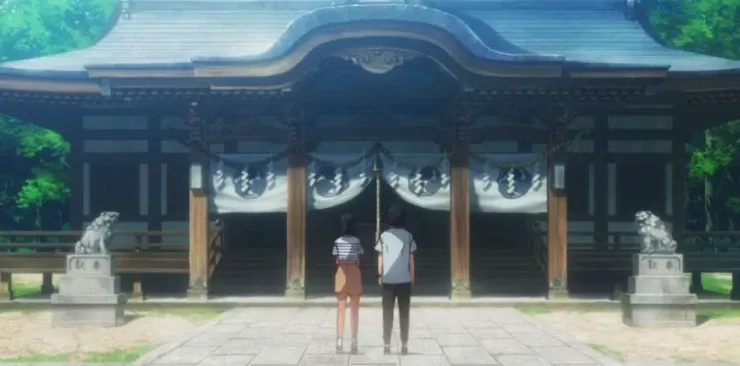
The first stretch is almost perfectly paced. Funeral, wrong details, first death, first reset. Watanabe directs those hours like a summer mystery that has not decided it is horror yet. You get the restaurant, the beach, the shrine path, the feeling that everyone on this island knows each other a little too well.
Then the rules lock in. Shinpei does not get infinite continues. The eye that lets him loop is a resource with a cost, and the show is honest about that. Loops stop being a gimmick and start being a ticking clock. Information carries forward. Relationships do not, unless he makes them. That pressure is why the middle does not collapse the way a lot of long loop stories do.
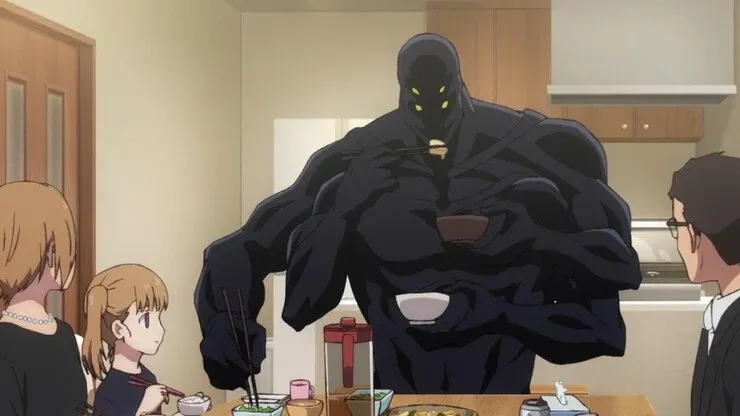
Around the halfway mark the board gets bigger: not just “who replaced whom,” but what the Shadows are for, who their mother is, what the festival is actually feeding. Hiroshi Seko’s scripts keep feeding you answers that create worse questions, which is the correct mystery diet. The gym assault and the later “we have a plan, the plan is insane” stretch are the peak of the action plotting. The last run of episodes jumps from island thriller to origin myth — a whale that is not a whale, a girl who has been lonely for centuries, a man who would rather burn the board than lose. Some viewers feel that gear change. I felt it too. The show earns the jump because it never drops the people the first episode asked you to mourn.
Episode 25 is not an action climax. It is the breath after. A lot of thrillers skip that. This one knows the whole point of surviving a rewritten summer is getting to walk the dock again.
Themes & Writing
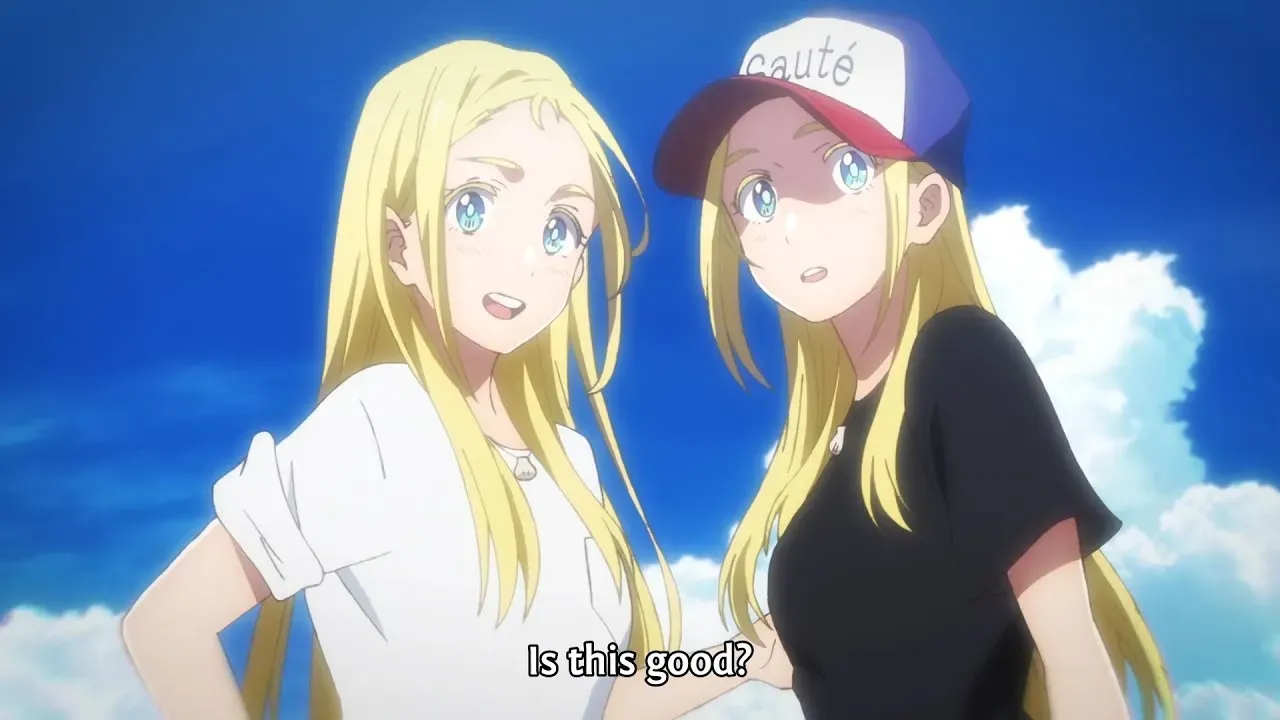
On the surface this is a time-loop vs. body-snatcher story. Underneath it is about copies and originals, and whether love still counts if the person standing in front of you is made of someone else’s shadow. Ushio’s whole arc is that question in motion. The writing is smart enough not to give a speech about “what makes a soul.” It just lets you watch a copy choose people the original loved.
Homecoming is the other theme. Shinpei left. Ushio stayed. The island kept its secrets. Coming back for a funeral is the cruelest version of “you can never really leave.” The loops make that literal. Every reset is another attempt to arrive in time.
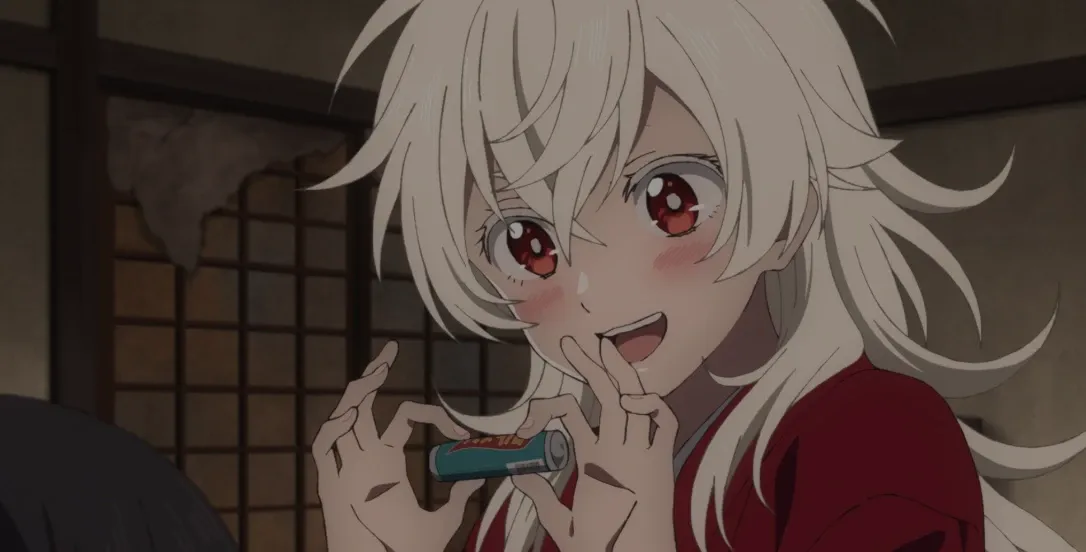
The mythology — Hiruko, Haine, the hunger, the man who built himself into a weapon — is stronger as feeling than as cosmology. Loneliness that learned how to eat. A child who wanted a family and got worshippers instead. When the show stays on faces, it sings. When it stops to diagram the other world, you can skip a beat. Not a deal-breaker. Just the seam.
Animation & Art
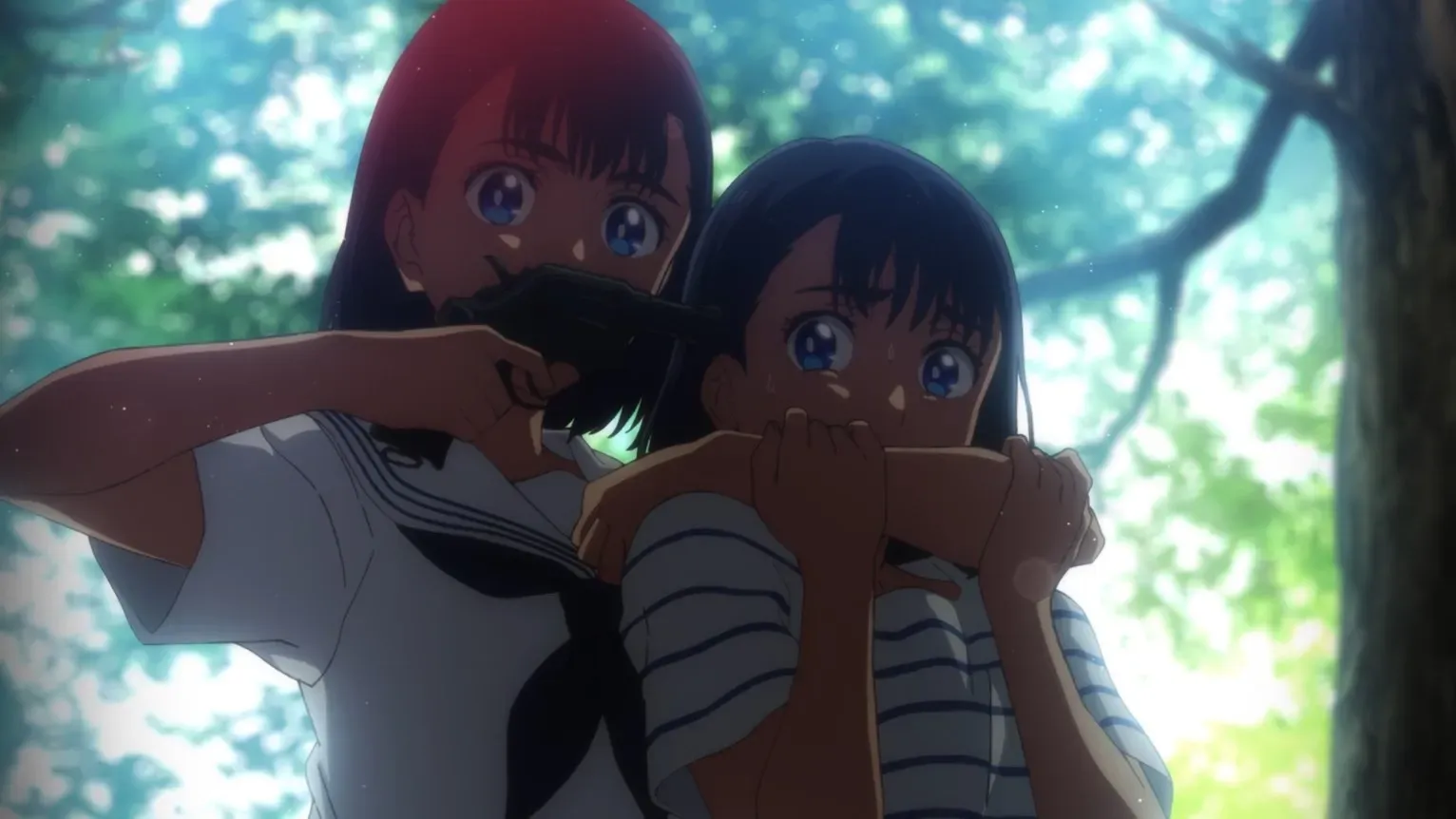
OLM is not the first studio people name for prestige thrillers, and that chip on the shoulder works here. Miki Matsumoto’s faces are clean and summer-bright until they are not. A smile that holds one frame too long. Eyes that do not blink with the rest of the room. The island itself is the other main character: glare on water, shrine stairs, a restaurant kitchen that still smells like a life.
Action is readable. Shadow fights are nasty without turning into sludge. There are episodes where the budget thins — a still, a recycled crowd, a CG pass that looks a little plastic. They pass. The direction of tension does not. Watanabe is good at letting a quiet shot sit until you start checking the corners of the frame.
Music & Sound Design
MONACA on a summer-horror island is almost unfair. Keiichi Okabe, Ryuichi Takada, and Keigo Hoashi know how to make a pretty coastal cue feel like a warning. The score ducks out of conversations and then leans on you during a chase. Cicadas and waves do as much work as the orchestra.
Macaroni Enpitsu’s “Hoshi ga Oyogu” is the first-half handshake: bright, a little desperate, already late for the festival. cadode’s “Kaika” lets the episodes bleed out. Asaka’s “Natsuyume Noisy” and Riria.’s second ending shift the show into its heavier gear without pretending the story is still a beach trip. The needle-drops never feel like they are selling a different series.
What Worked / What Didn’t
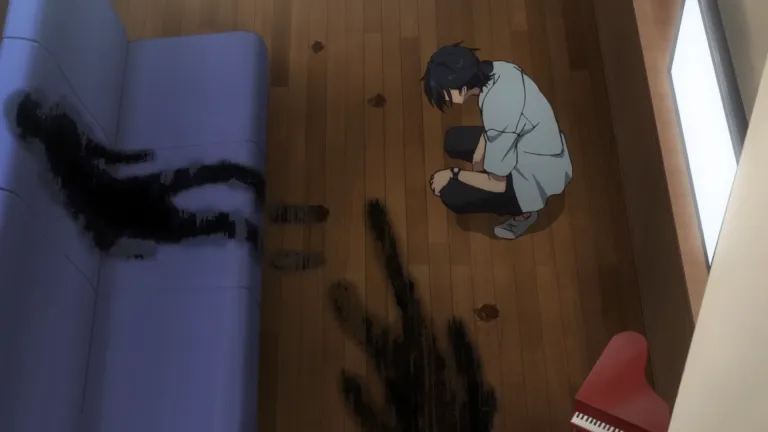
What works is the complete thought. Twenty-five episodes, start to finish, no “wait for the movie to explain it.” The loop rules have teeth. Shinpei and Ushio — both versions of her — are a pairing you actually want more time with. The island atmosphere does half the horror before anyone grows extra shadows. And the last episode understands that a thriller about coming home has to end on a doorstep, not a monologue.
What doesn’t: the mythic back half talks a little more than it needs to. Shide is a colder, flatter threat than Haine, and you feel the drop. A couple of supporting players exist to deliver lore and then stand in a group shot. If you are allergic to time loops as a structure, no amount of good cooking will fix the repetition. Those are fair complaints. They did not stop me from sitting with the credits like an idiot.
Who This Is For
This is for people who want a mystery that pays off, a time-loop story with actual limits, and a complete series you can finish in a long weekend without praying for a sequel. If you like Steins;Gate’s “information is a weapon” energy mixed with small-town body-snatcher dread, you are the audience. Skip it if repeating days make you restless, if shadow violence and copies wearing your friend’s face is a hard no, or if you only wanted a gentle summer coming-of-age and not a festival that wants everyone on the island. The tone is warm. The plot is not gentle.
About the Original Manga & Author
Yasuki Tanaka wrote and drew Summer Time Rendering for Shueisha’s Shōnen Jump+ from October 2017 to February 2021 — 139 chapters collected in 13 tankōbon. He had published shorter works before this (Hitomi no Catoblepas, Kagijin) and once assisted Hirohiko Araki; this is the series that made the name. Manga Plus ran it in English as it came out. Udon Entertainment later printed a complete six-volume omnibus in 2022. Circulation sat around 1.7 million copies worldwide by the time the anime ended. Tanaka has since started Ghost Fixers and a small 2026 side story in the same world. The 2022 OLM series adapts the manga through its ending rather than parking on a cliff.
Final Verdict + Score
9/10. A complete, tightly built summer thriller that uses time loops as pressure instead of a party trick, and then has the decency to give you a last episode that feels like arriving. Watch it. Do not read a wiki first.
Closing
I keep thinking about the ferry. That is the image that stuck — not the biggest fight, the boat ride home when you already know the island is going to lie to you. If you have seen it, I want to know which loop broke you. If you have not, go get on the boat. The water is fine. The shadows are not.
Couch talk
Quiet on this thread so far — say something (we mod before it goes live).