Ranking of Kings Review: The Story Of A Muted Prince
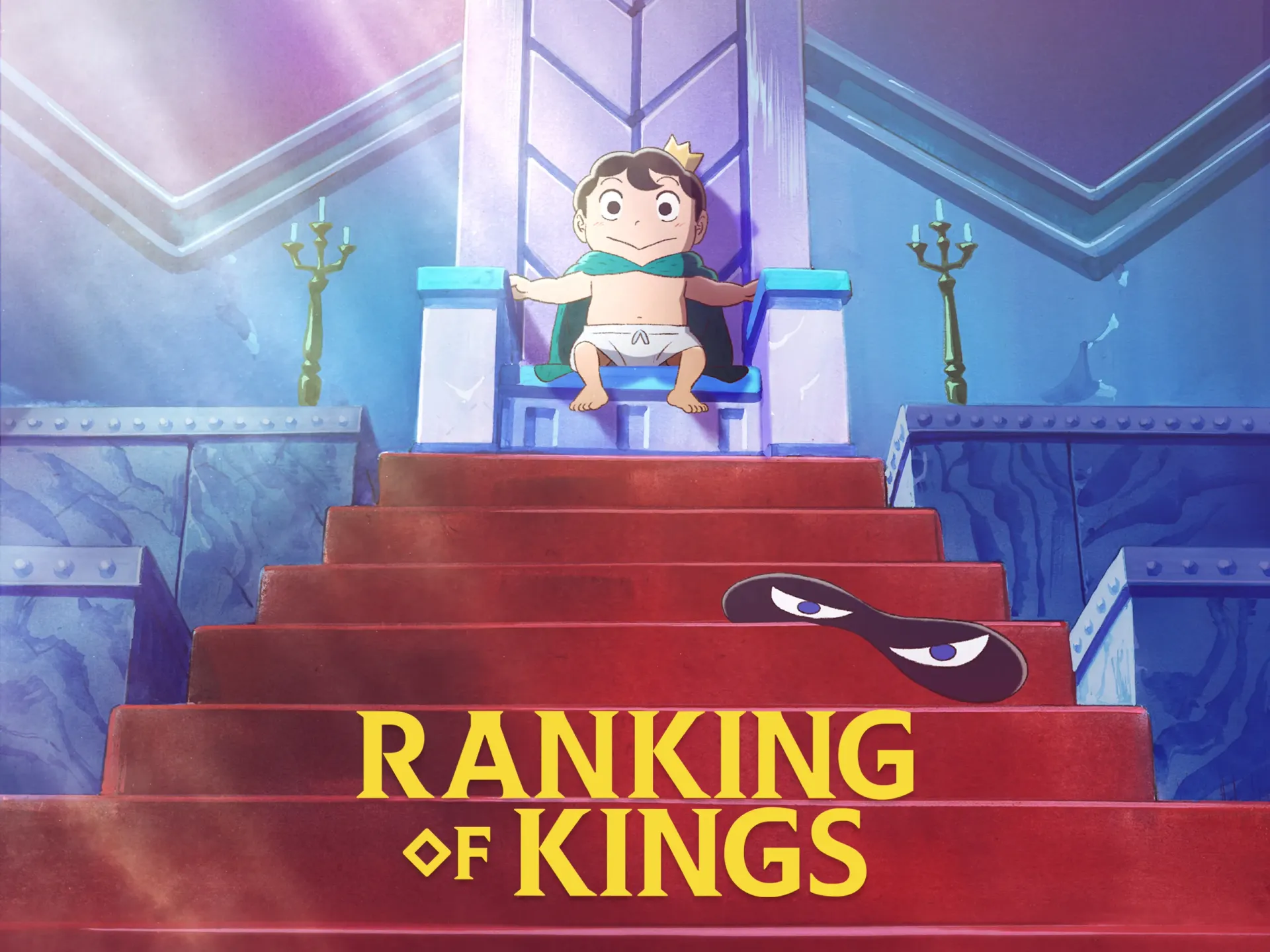
Studio: Wit Studio
Episodes / Season: 23 episodes (main series; The Treasure Chest of Courage treated as side material)
Genre: Adventure, Fantasy, Drama
Air date / Status: October 2021 – March 2022 – Completed
My Score: 9/10
Introduction
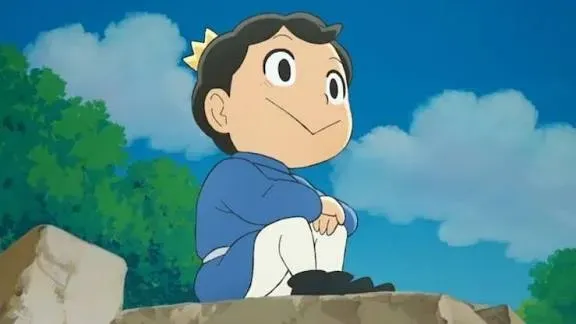
Ranking of Kings looks, at first glance, like a children’s picture book that wandered onto a late-night block. A tiny prince who cannot hear or speak. A shadow who talks too much. A kingdom that ranks its rulers the way other countries rank athletes. Wit Studio’s twenty-three-episode run is not a picture book. It is a story that refuses to leave the smallest person in the frame, even when gods, demons, and immortal swordsmen try to pull the camera away.
Bojji is the epicenter. The plot can visit the underworld, a glass-masked woman, or a father who traded pieces of himself for size; the narration still belongs to the boy who reads lips and smiles at people who have already decided he is useless. Next to him is Kage, a leftover assassin who understands a language nobody else bothered to learn. Together they are one of the best duos the last decade of anime produced — not because they are cute, but because their friendship does the work blood is supposed to do and often fails at.
Spoiler warning: The synopsis stays with the premise. From Characters onward this covers the shape of the main twenty-three episodes — the throne, the journey, Bosse, Miranjo, the underworld brothers — without listing every twist. The Treasure Chest of Courage is noted only as extra material. Watch the main series first if you want Bojji’s walk to surprise you.
Spoiler-Free Synopsis
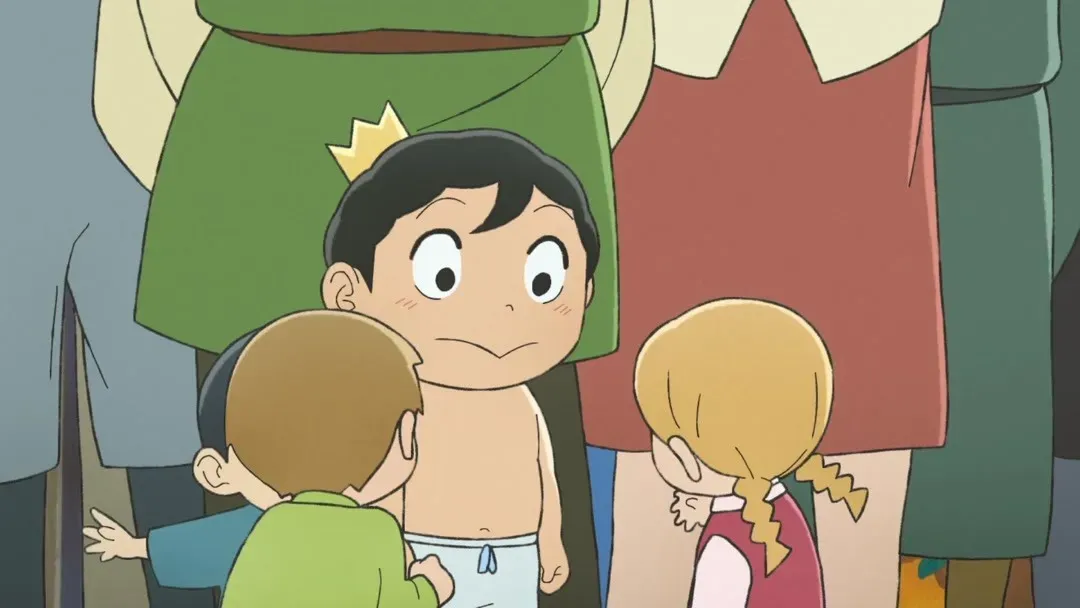
The people of the Bosse Kingdom call their first prince the useless one. Bojji is small, unable to hear and speak in a way the court will credit. He cannot lift a child’s practice sword. His father, King Bosse, is a giant whose ranking among the world’s rulers is a public fact. His stepmother, Queen Hiling, looks down at Bojji for being weak and fragile that's how the court views her. His younger brother, Daida, is the son the room already treats as the next king.
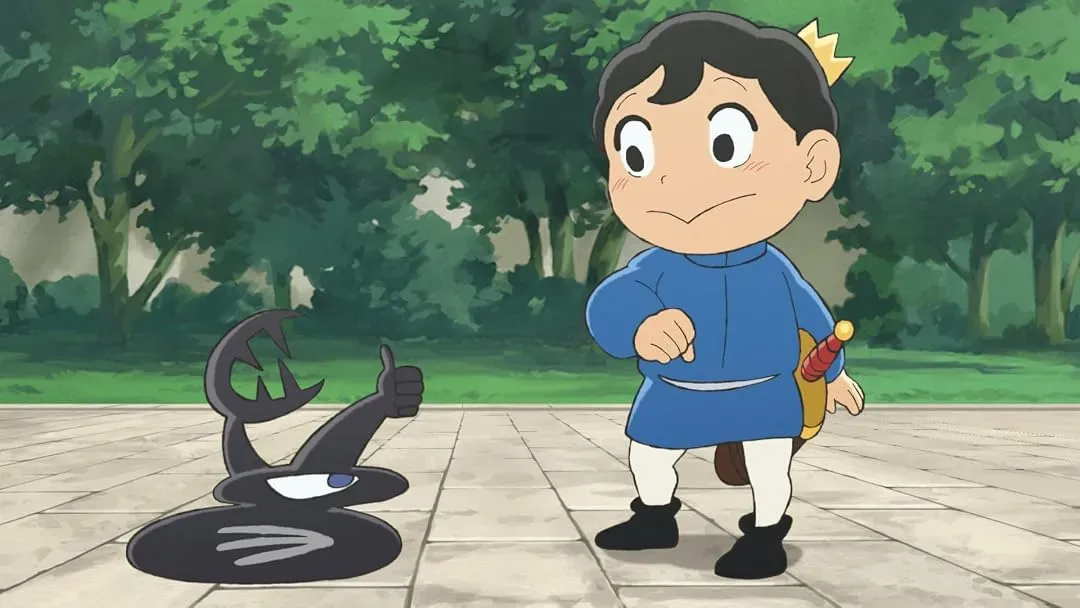
A chance meeting in an alley gives Bojji something the palace never did: a listener. Kage is a shadow-clan survivor who can read the words Bojji shapes with his hands and face. What starts as a transaction — clothes, coin, a joke at a prince’s expense becomes the only honest conversation in the castle. When the crown moves and the court decides Bojji’s path is elsewhere, the two of them leave. The journey is supposed to prove that the very same fragile prince is a capable king just like his father. The journey is the tastement of the young prince's resolve and who will walk beside him when the ranking stops mattering.
Characters
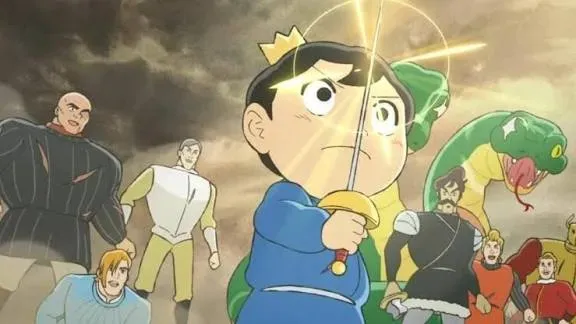
Bojji is not a mascot who happens to be the lead instead he is the instrument the series is tuned to. Every political scene, every training montage, every late revelation about father and curses is measured against whether the boy in the middle of the frame still has a way forward. Minami Hinata’s performance — small sounds, physical comedy that never punches down, a face that does more work than most monologues — makes that centering feel inevitable rather than cute. You do not watch Bojji grow into a conventional shonen hero. You watch the world rearrange itself around a person it had already ranked last.
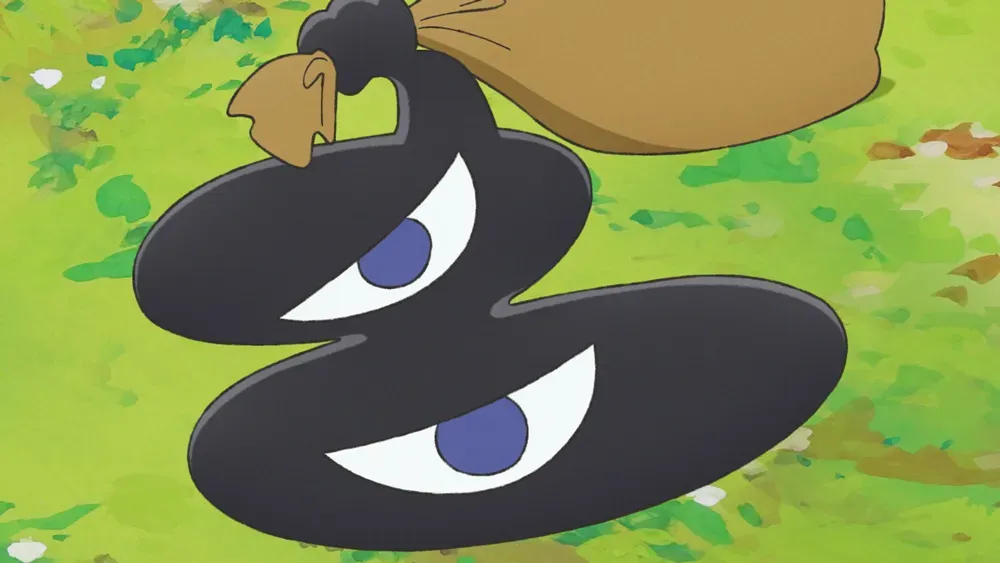
Kage is the other half of the sentence. He is selfish in the way a child who has been hunted is selfish. He is also the first person who treats Bojji’s silence as language instead of defect. Their dynamic is the show’s argument about friendship: it is not a substitute for family so much as a bond that does not require a shared name to be binding. When the story splits them, the camera feels the absence. When it puts them back in the same shot, the plot remembers what it is for.
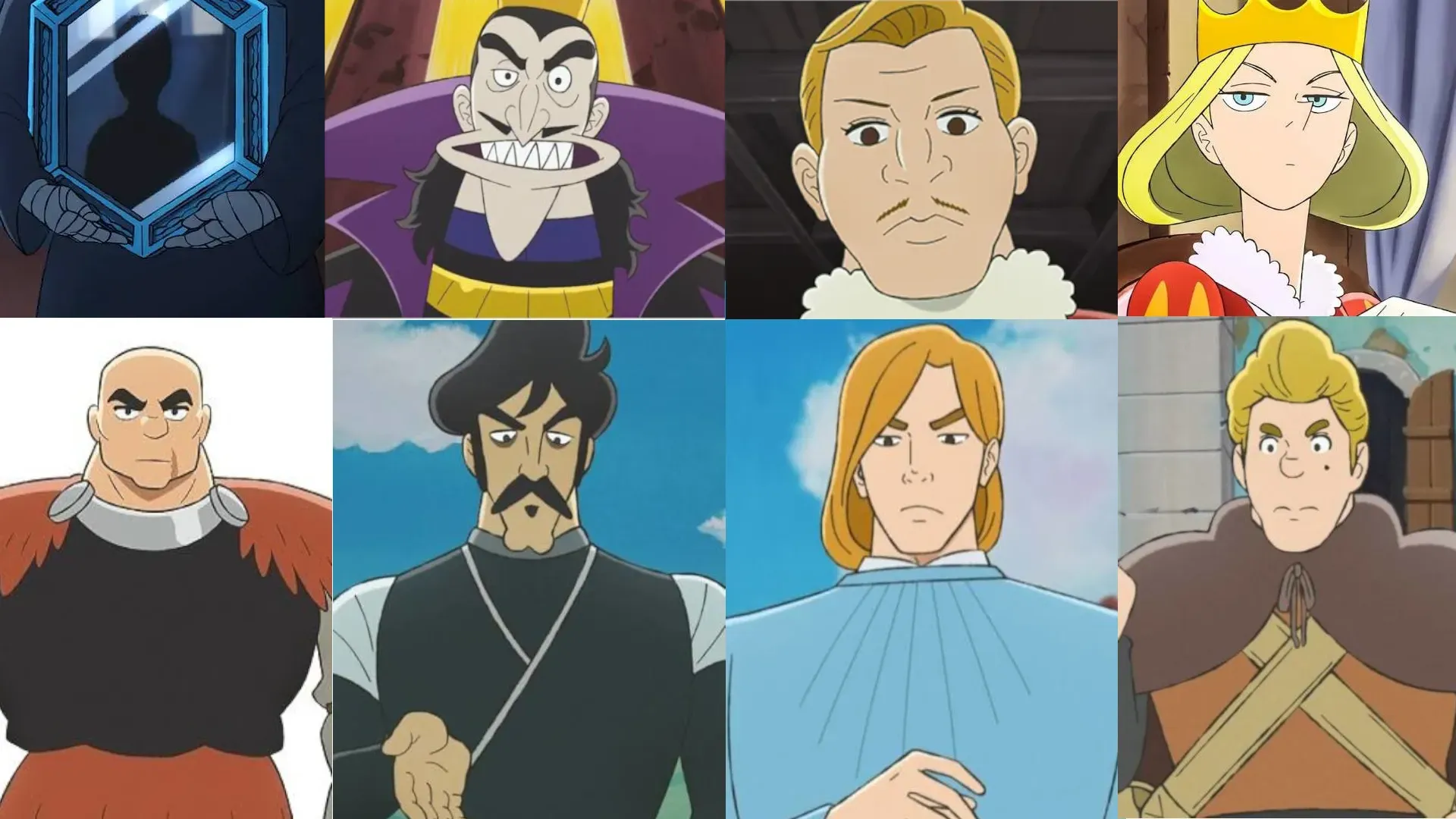
Hiling is the character the early episodes invite you to doubt. A second wife, a healer, a mother whose tenderness toward a stepson can look like strategy or guilt. Daida is the brother written as both rival and child; the series is kinder to him than the ranking system is. Around them stand people who look like archetypes until the camera stays: Domas, the teacher whose loyalty has a price; Bebin, the snake-handler of the Four Heavenly Kings, who serves Daida with a crooked smile and a patience that looks like plotting until it looks like care; Dorshe, Hiling’s shield, a giant whose job is to stand between the queen and the world and who treats Bojji as someone already worth standing in front of; Miranjo, the masked presence whose history is the show’s darkest room; Despa and Desha, underworld brothers who treat instruction as both commerce and affection; Ouken, the immortal whose body is a warning. Not every name needs a thesis. The ones that matter are the ones forced to decide what Bojji is worth when the ranking says nothing.
Story & Pacing
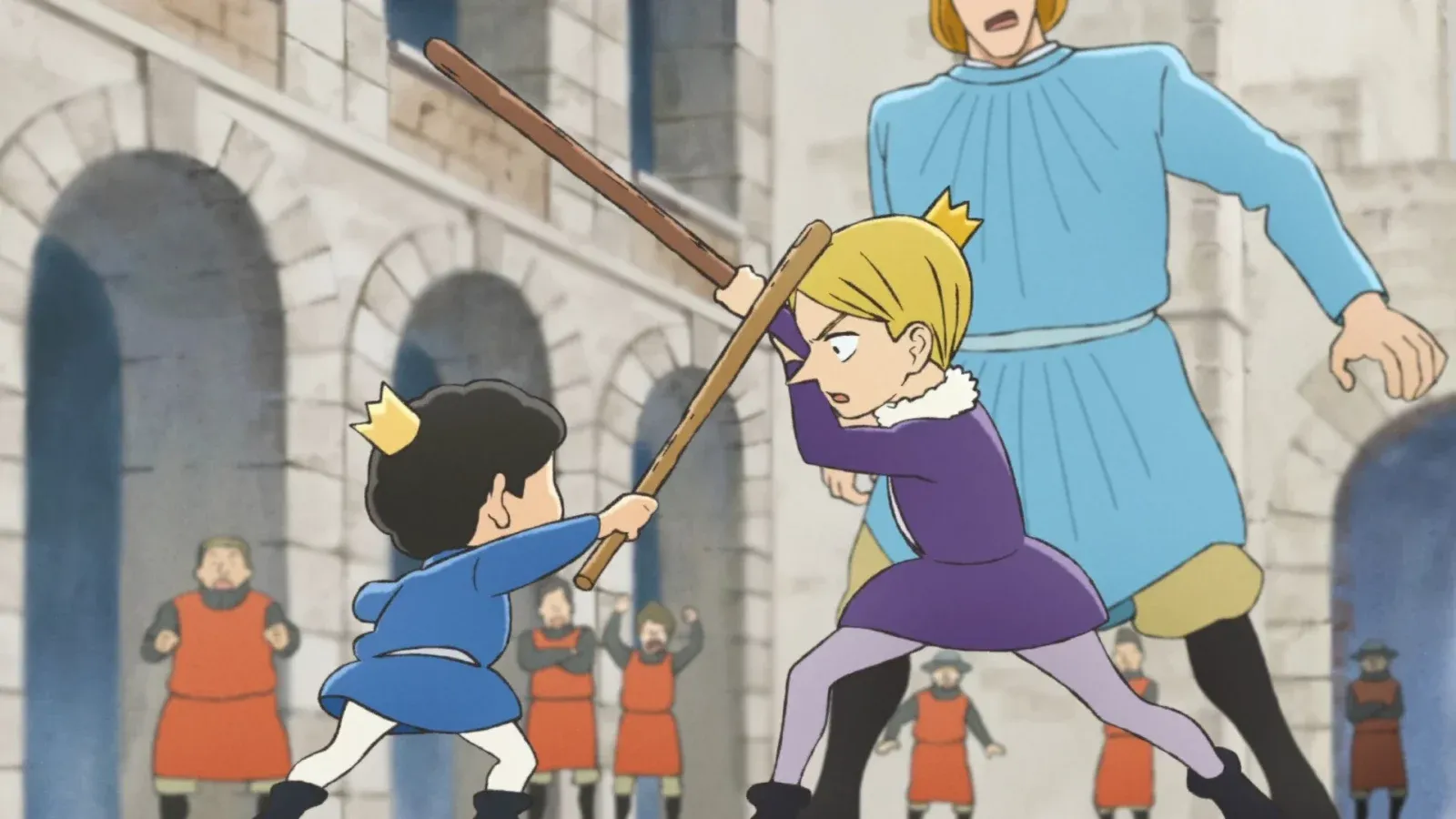
The first stretch is court and comedy. Jeers, a duel that is not a duel, a will that does not settle the room. Then the road: a sword that does not match the prince, a teacher who is not what the title suggests, a descent that turns a coming-of-age story into a myth with a body count. Wit does not rush the joke-to-wound turn. It lets Bojji stay small in frames that other fantasy shows would fill with a power-up.
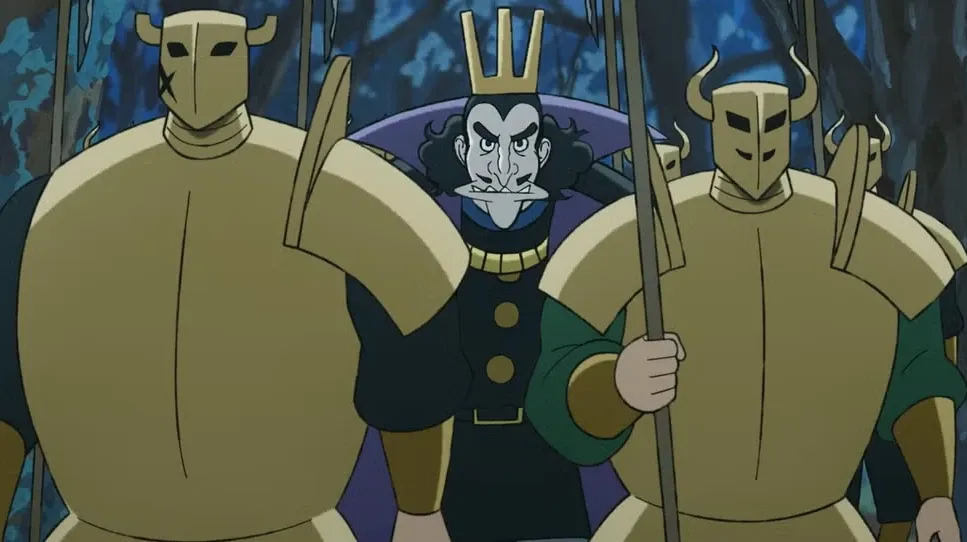
Mid-series, the board widens. The underworld, the ranking of kings as a literal list, the past that made Bosse large and Miranjo what she is — the scale jumps without abandoning the boy who started the walk. Some viewers feel the gear change. Court intrigue and found-family warmth share episodes with gods, demons, and a fight between immortality and invincibility. The series earns the jump because Bojji remains the measure. When the last run of episodes brings the journey home, the resolution is not that the smallest person became the tallest. It is that the story never stopped belonging to him.
The Treasure Chest of Courage, the 2023 ten-episode side series, collects skipped manga scenes, backstory, and aftermath. This review leaves it off the main path. It is extra time with people you already know, not the spine.
Themes & Writing
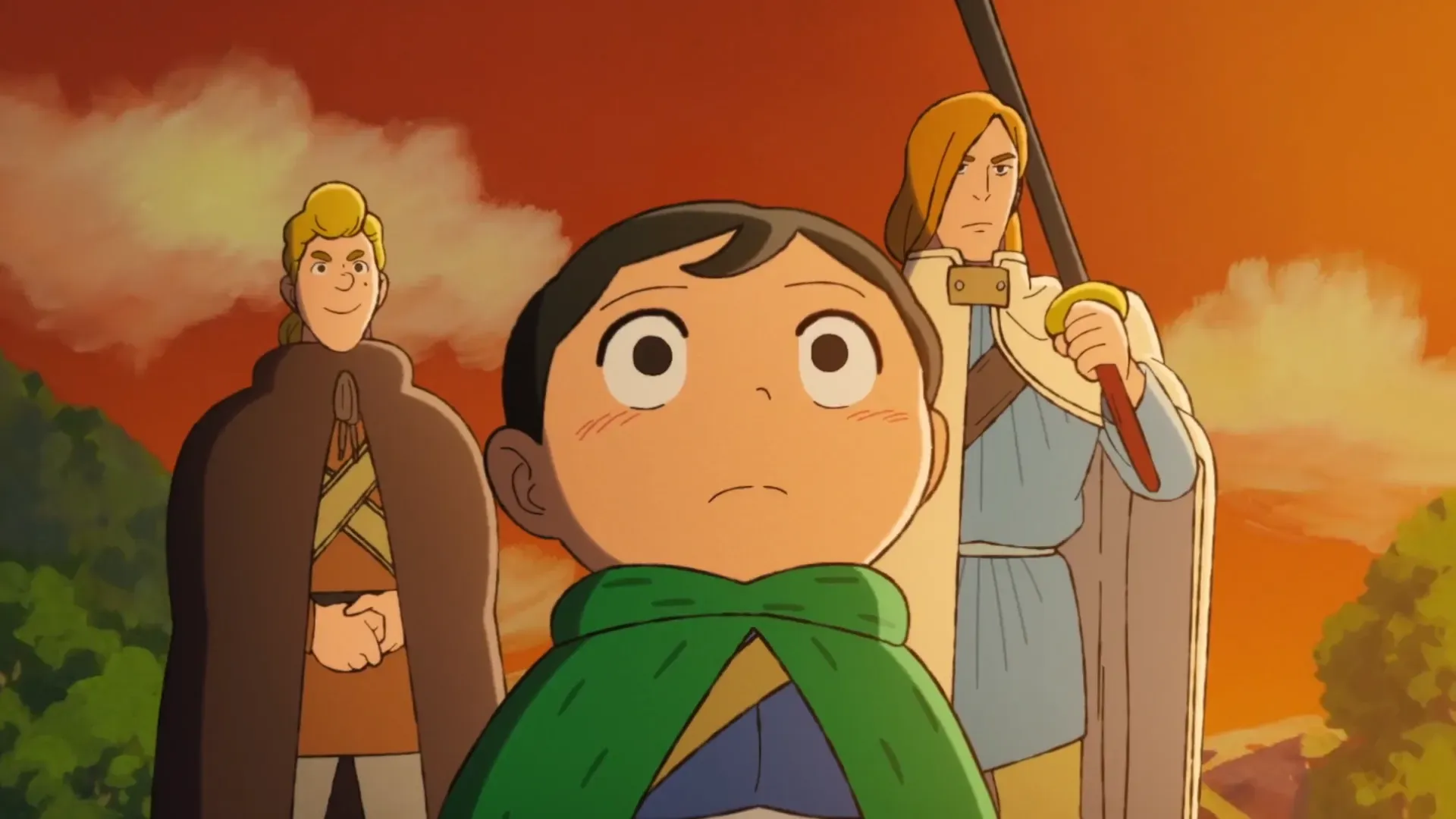
Taku Kishimoto’s scripts are about what a ranking cannot see. Strength, kingship, usefulness — the court has numbers for all of them. Bojji’s presence makes the numbers look like a habit. The writing is sharpest when kindness is not naivety and cruelty is not complexity. A smile can be a weapon. A healing hand can be love that arrived late and still counts.
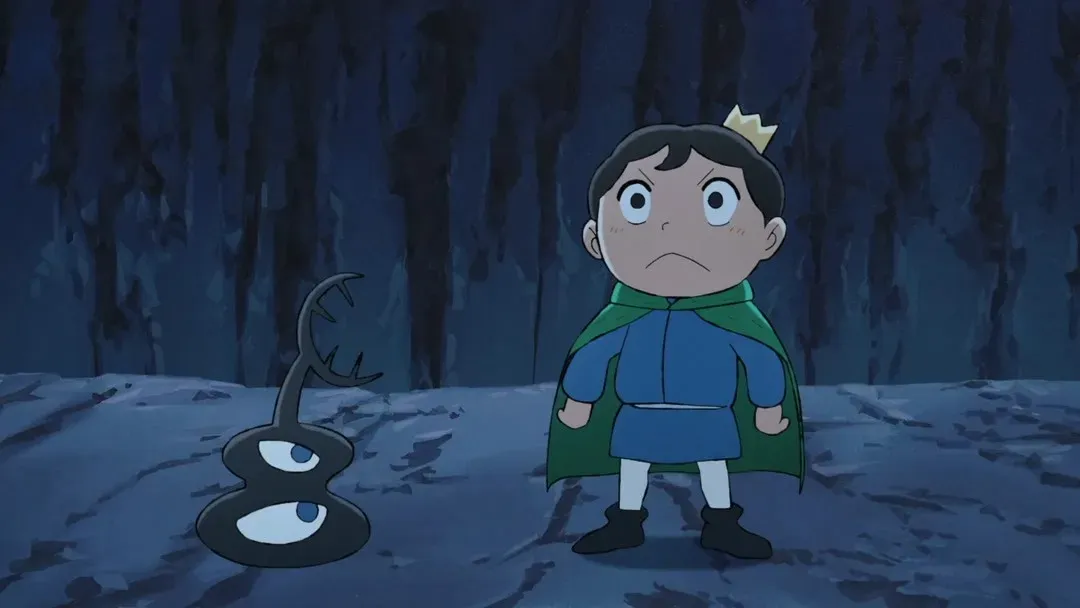
Friendship beyond blood is not a slogan here. Kage has no claim on Bojji except the claim of having listened. Hiling’s care, which the early tone lets you interrogate, becomes the other half of that idea: family is also a practice, not only a birth order. The darker material — possession, bargains, a father who wanted a body that could protect what he loved — does not cancel the gentleness. It explains why gentleness is expensive.
The series sometimes explains a theme twice, once in a quiet scene and once in a speech. The quiet scenes win. Bojji’s face after someone finally addresses him as a person is better writing than any ranking announced by a narrator.
Animation & Art
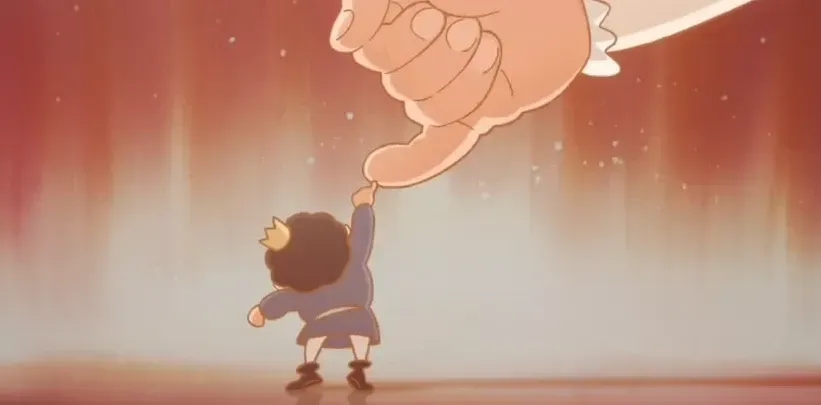
Wit Studio, a few years past Attack on Titan’s heaviest years, uses a different muscle. Atsuko Nozaki’s designs are rounded, toy-like, and then suddenly severe. Bojji is a silhouette a child could copy. Ouken is a silhouette you would not want in a doorway. The contrast is the point. Backgrounds hold a storybook warmth until a battlefield or an underworld corridor drains the color on purpose.
Action is staged for readability, not only impact. Bojji’s sword work, when it arrives, is a study in timing rather than size. Shadow-clan movement, giant bodies, a horse, a mask — the show knows how to make a small figure the most important shape in a wide shot. There are weeks where the budget is thinner. They are brief. The character acting never drops to match them.
Music & Sound Design
MAYUKO’s score knows when to stay out of the way. A lot of Bojji’s life is silent from his side; the mix respects that without turning the show into a mute film. When music enters, it is often simple — strings, a choir that does not oversell destiny. King Gnu’s “BOY” and Vaundy’s “Hadaka no Yuusha” do the opposite job: they announce a journey the court has already dismissed. yama’s “Oz.” and milet’s “Flare” close episodes like someone shutting a door gently.
Sound design is part of the characterization. Footsteps Bojji can feel. Voices he cannot hear but we can. Kage’s chatter filling a space the prince cannot fill with speech. The series never treats deafness as a puzzle to solve with a miracle. It treats it as the condition the friendship learned to move through.
What Worked / What Didn’t
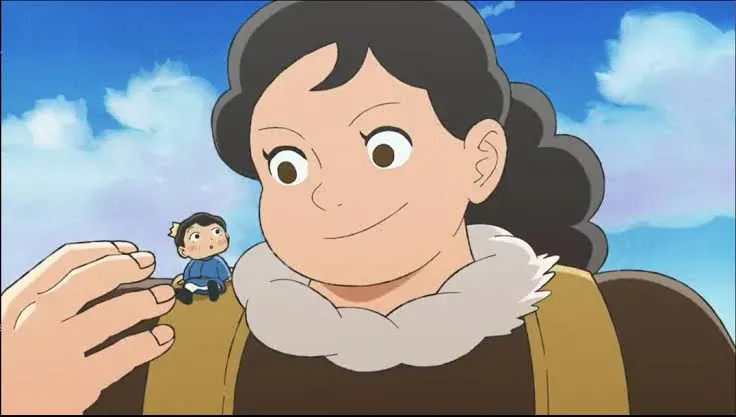
What works is the centering. Bojji is not a window onto a larger war. The war is a window onto Bojji. The duo with Kage is built from specific acts — translation, theft, apology, staying — rather than from a speech about found family. Hiling’s arc trusts the audience to sit with discomfort before the care becomes unmistakable. The visual language lets a storybook face carry tragedy without winking.
What doesn’t: the middle’s sudden cosmic scale can feel like a different book for an episode or two, and a few supporting figures exist to deliver lore more than to live. The ranking conceit is richer as metaphor than as a system the plot keeps citing. And if you come only for court politics, the mythic back half will feel like a genre change you did not vote for. Those are real limits. They do not move the center.
Who This Is For
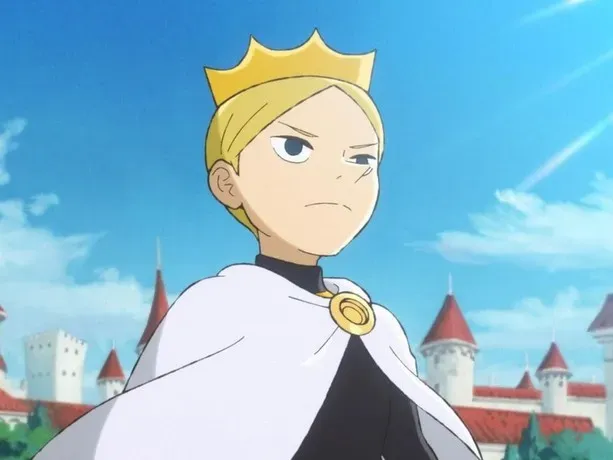
This is for viewers who want fantasy that treats gentleness as a plot engine instead of a commercial break; for people who like duos more than chosen-one speeches; for anyone willing to let a small protagonist keep the camera when the gods arrive. Skip it if you need a conventional power curve by episode six, if storybook character design reads as “for kids” in a way you cannot shake, or if you want the side-story season folded into the main recommendation. The twenty-three episodes are the meal. The treasure-chest series is leftovers you can enjoy if you already loved the kitchen.
About the Original Manga & Author
Sōsuke Tōka wrote and drew Ōsama Ranking as a web manga on Echoes’ Manga Hack from May 2017; it is still ongoing after a long 2023–24 hiatus, with Enterbrain collecting the chapters as Beam Comix tankōbon — more than twenty volumes in print. Tōka is not a long-career magazine regular with a shelf of prior hits; this series is the work that made the name. BookLive issued an English digital edition (later retranslated after a licensing controversy); Crunchyroll has also carried the localization. The 2021–22 Wit series adapts the first major arc through roughly the early volumes. The Treasure Chest of Courage pulls skipped chapters and side stories. A film has been announced. The manga remains ahead of both.
Final Verdict + Score
9/10. Watch the twenty-three-episode main series as one walk. Bojji holds the narration. Kage makes the walk a friendship instead of a quest. Hiling’s care, easy to question early, is the kind that only looks simple after it has been tested. Come for the small prince. Stay for the argument that the person the ranking forgot can still be the reason the story exists.
Closing
I keep thinking about a boy who cannot hear the crowd and a shadow who decided the crowd was wrong. If you have a duo that rewired how you watch friendship on screen — or a parent in fiction who earned trust late — drop it below. Ranking of Kings is generous enough to share the room.
Couch talk
Quiet on this thread so far — say something (we mod before it goes live).