Violet Evergarden an Ainme Review
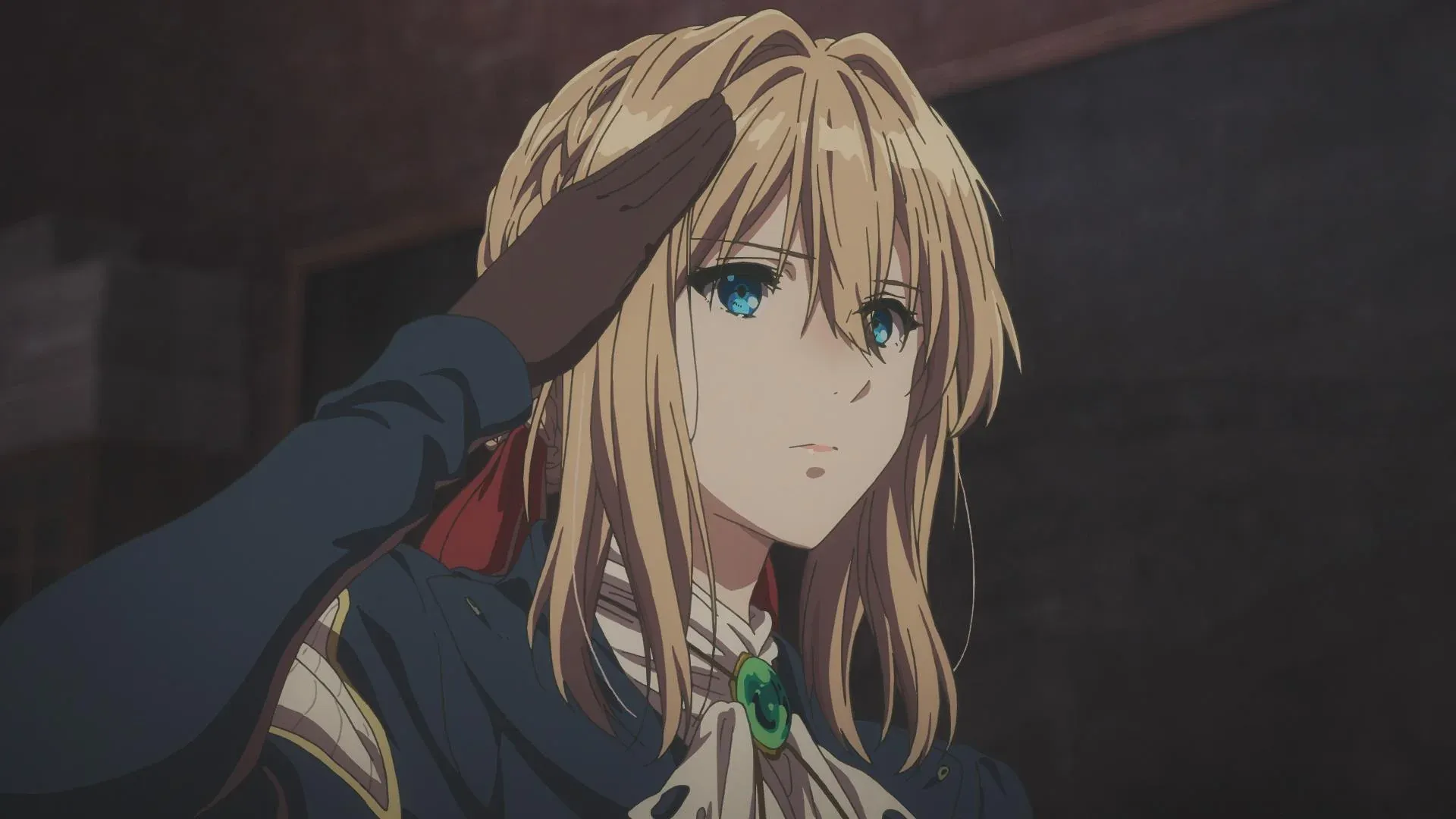
Studio: Kyoto Animation
Episodes / Season: 13 episodes + 1 OVA special
Genre: Drama, Fantasy
Air date / Status: January–April 2018 – Completed (films followed in 2019 and 2020)
My Score: 8.5/10
Introduction
Some anime follow a hero who already knows what they want. Violet Evergarden sits with someone who does not yet know what a feeling is called. Kyoto Animation’s 2018 series is a postwar character study dressed as a travelogue: a former child soldier takes work writing other people’s letters, and each job becomes another attempt to understand a phrase she was left with on the battlefield.
I came away admiring it more than I loved every episode. When it is precise, it is devastating. When it leans on the same tearjerker shape a few times too many, you can see the machinery. Even then, the craft is high enough — and Violet’s question honest enough — that the series earns its reputation.
Mild spoiler warning: The synopsis stays with the premise. Later sections discuss character arcs and the shape of the season, not every client story. The 2019 and 2020 films are mentioned only as later entries.
Spoiler-Free Synopsis
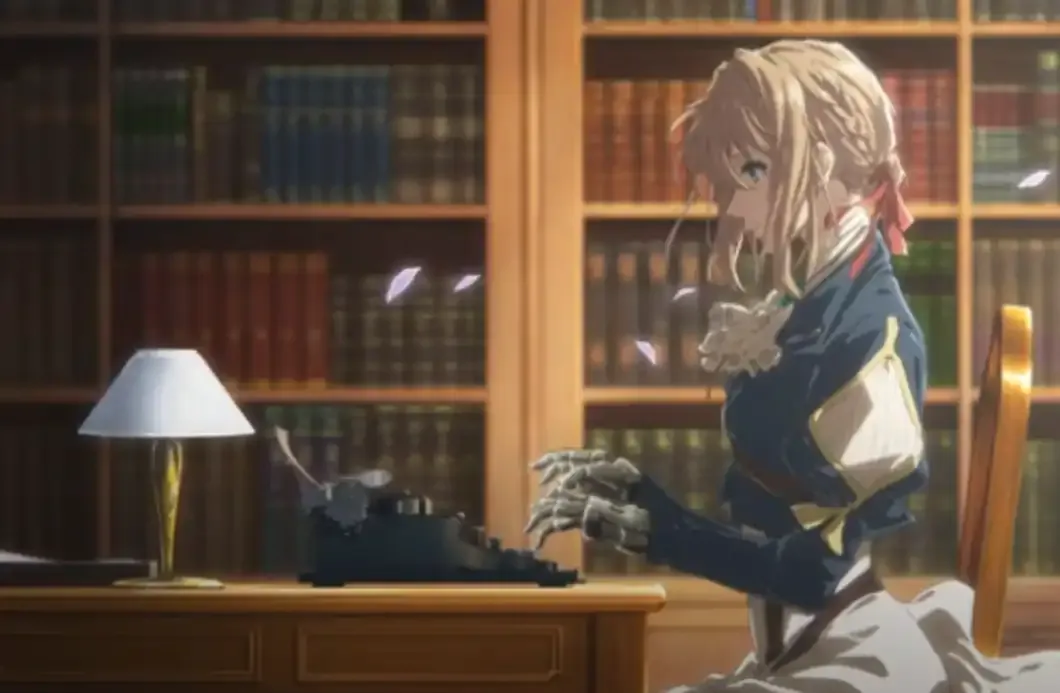
The long continental war is over. Violet Evergarden, once treated as a living weapon, wakes in a world that no longer needs her for killing. Her arms have been replaced with metal prosthetics. The only instruction that still matters is a sentence spoken by Major Gilbert Bougainvillea, the officer who named her and asked her to live: “I love you.” She does not understand the words.
Taken in by Claudia Hodgins, a former comrade who now runs a postal company, Violet trains as an Auto Memories Doll — a professional who travels to clients and turns tangled thoughts into letters. The work sends her across a reconstructed continent of trains, theatres, and quiet houses. Each assignment is a small human crisis. Together they become her education in grief, duty, and the difference between following an order and choosing a life.
Characters
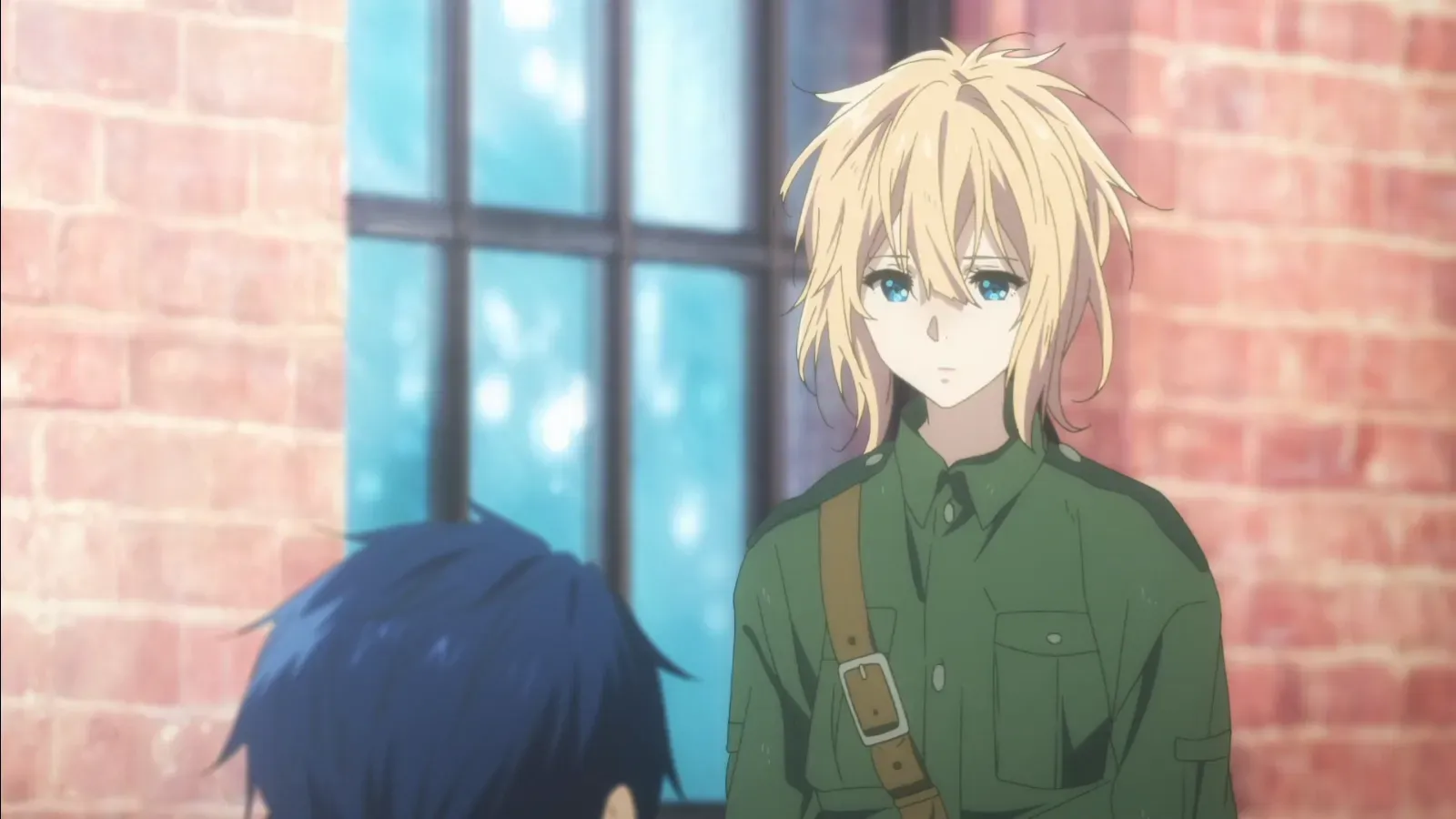
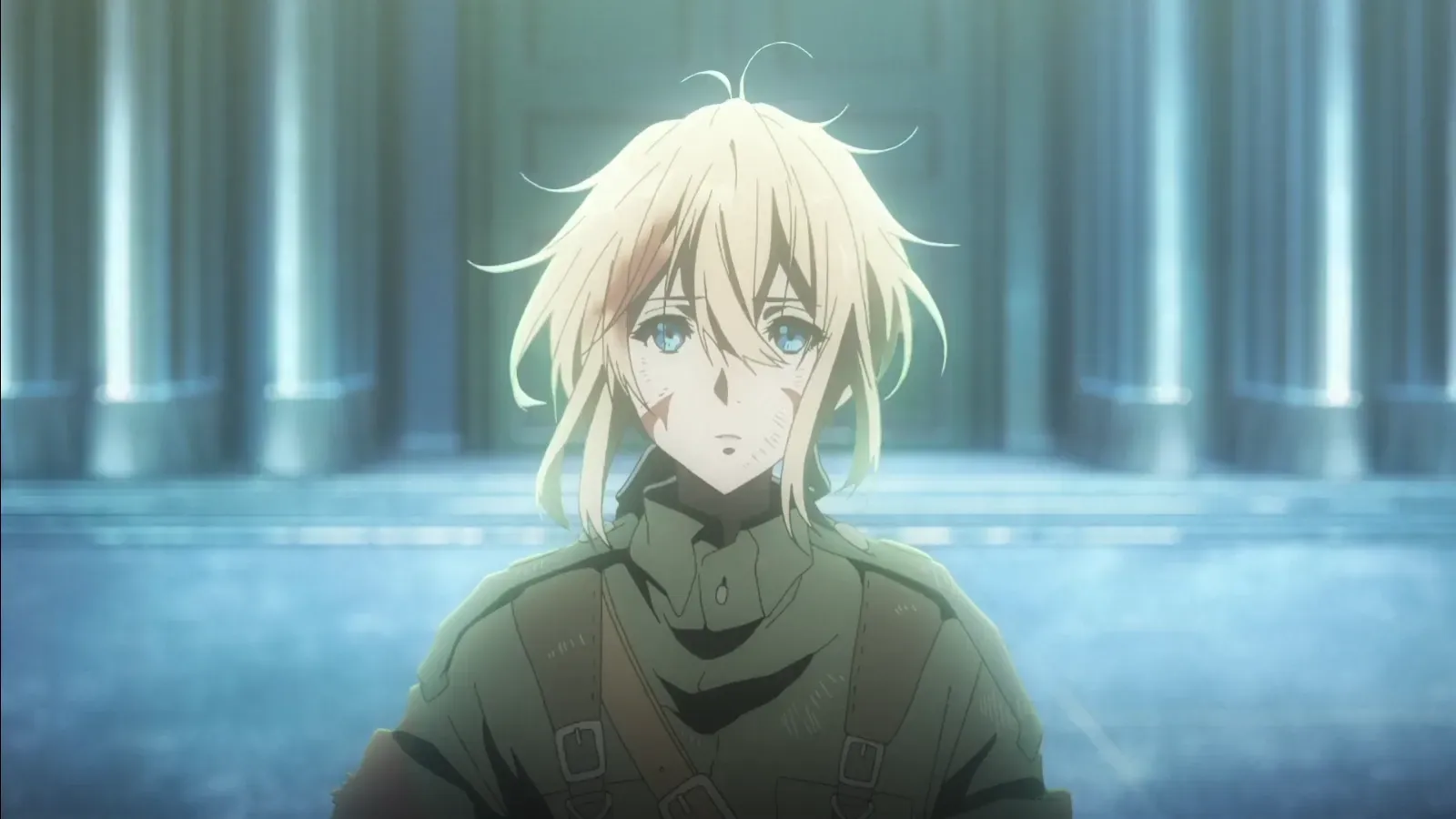
Violet is the entire thesis. She begins courteous, literal, frighteningly competent, and emotionally untranslated. That stillness is the point. Watching her learn that a letter is not a report and that a person is not a tool is the real plot. Yui Ishikawa’s performance matches the animation’s restraint. Small shifts in posture do more work than speeches.
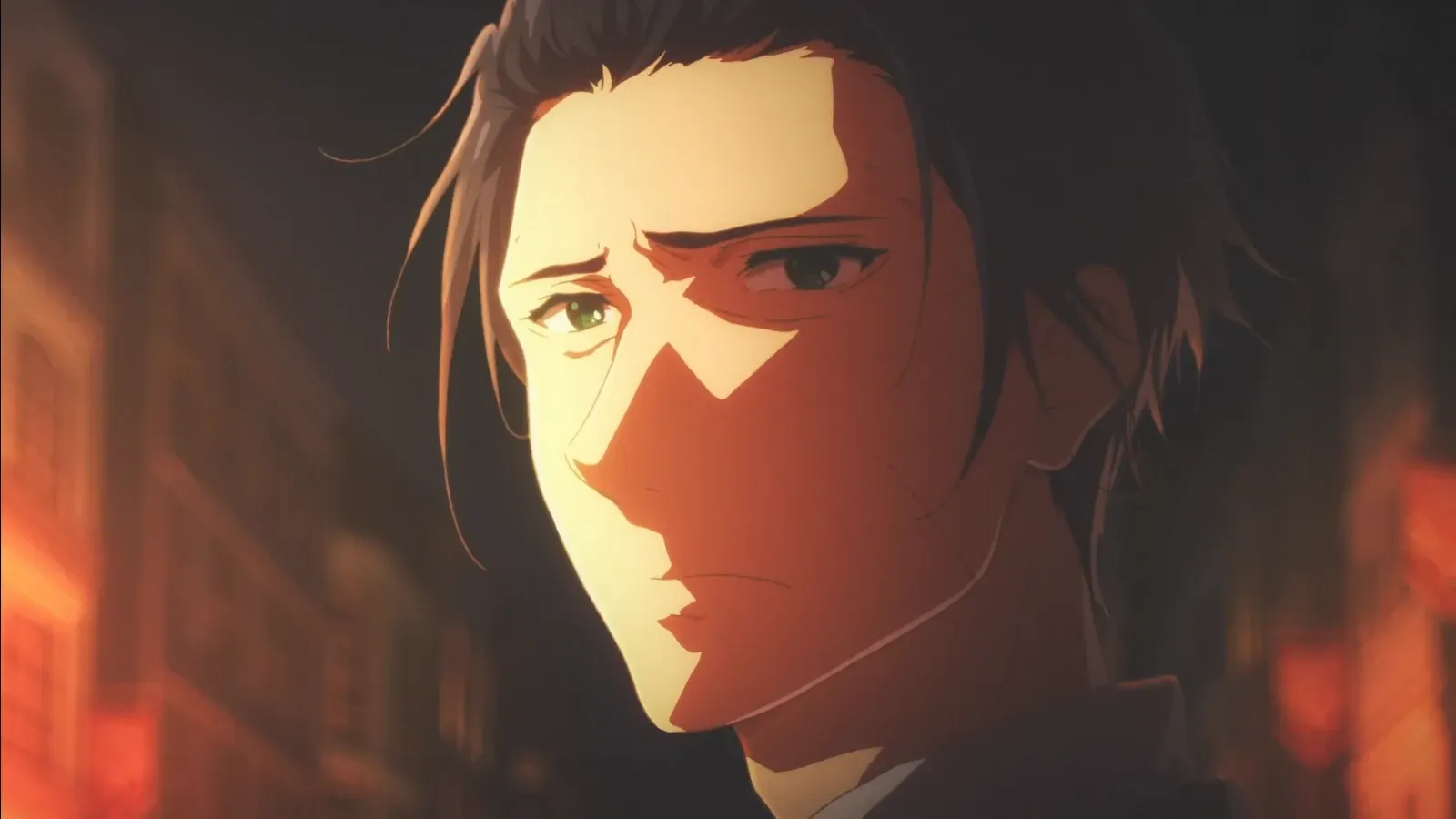
Hodgins is the adult in the room without becoming a lecture. He knows what Violet was used for and refuses to use her that way again. Gilbert exists for most of the season as absence and memory, which is thematically right and dramatically thin. He matters because Violet cannot stop measuring the world against him. The series does not always give him enough living texture to carry that weight.
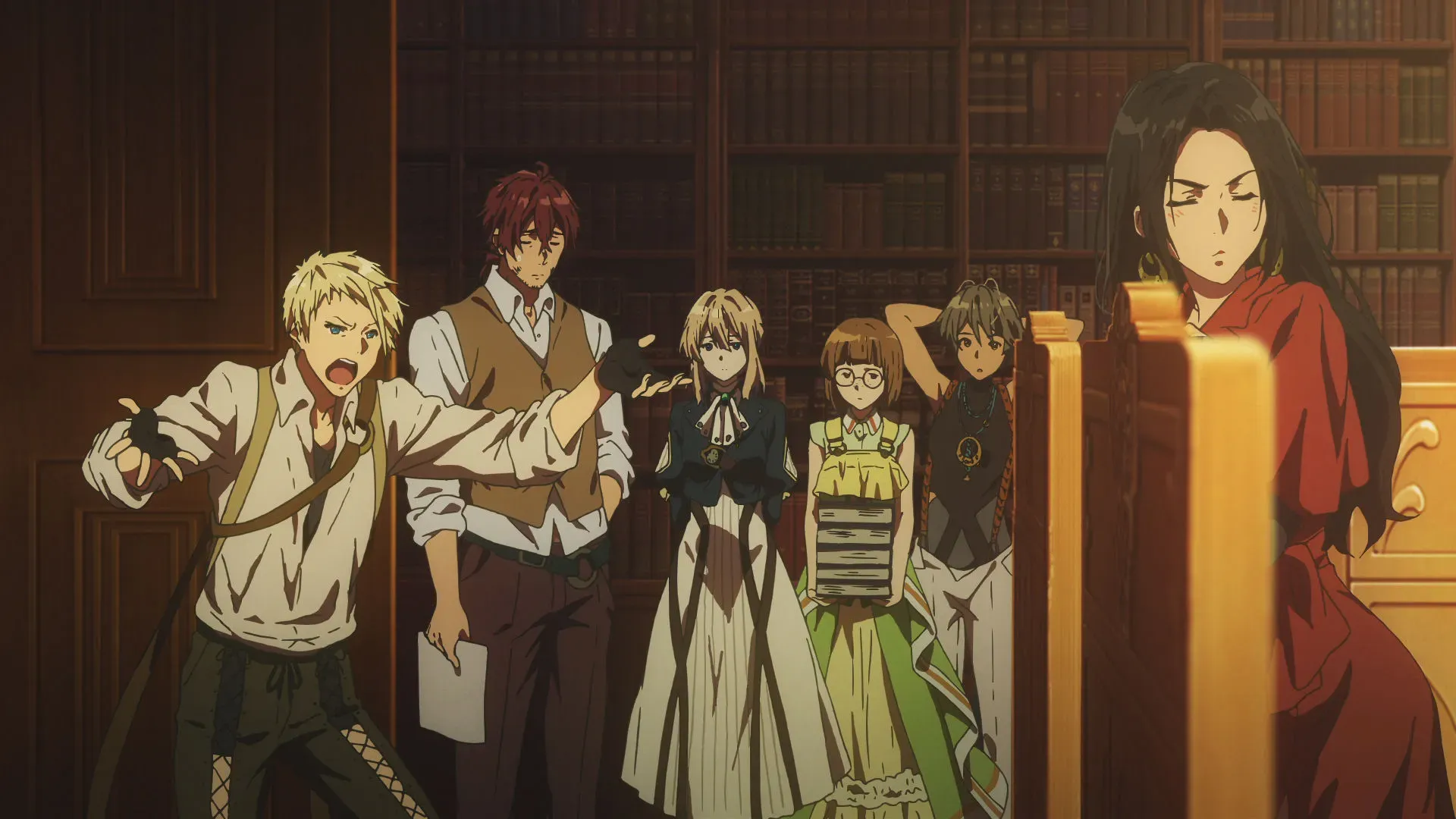
The CH Postal Company ensemble keeps the show from collapsing into a single sad face. Cattleya Baudelaire is warm and quietly maternal. Benedict Blue supplies friction and loyalty. Iris Cannary and Erica Brown give Violet peers instead of only clients. Dietfried Bougainvillea, Gilbert’s brother, is colder than a simple obstacle.
Story & Pacing
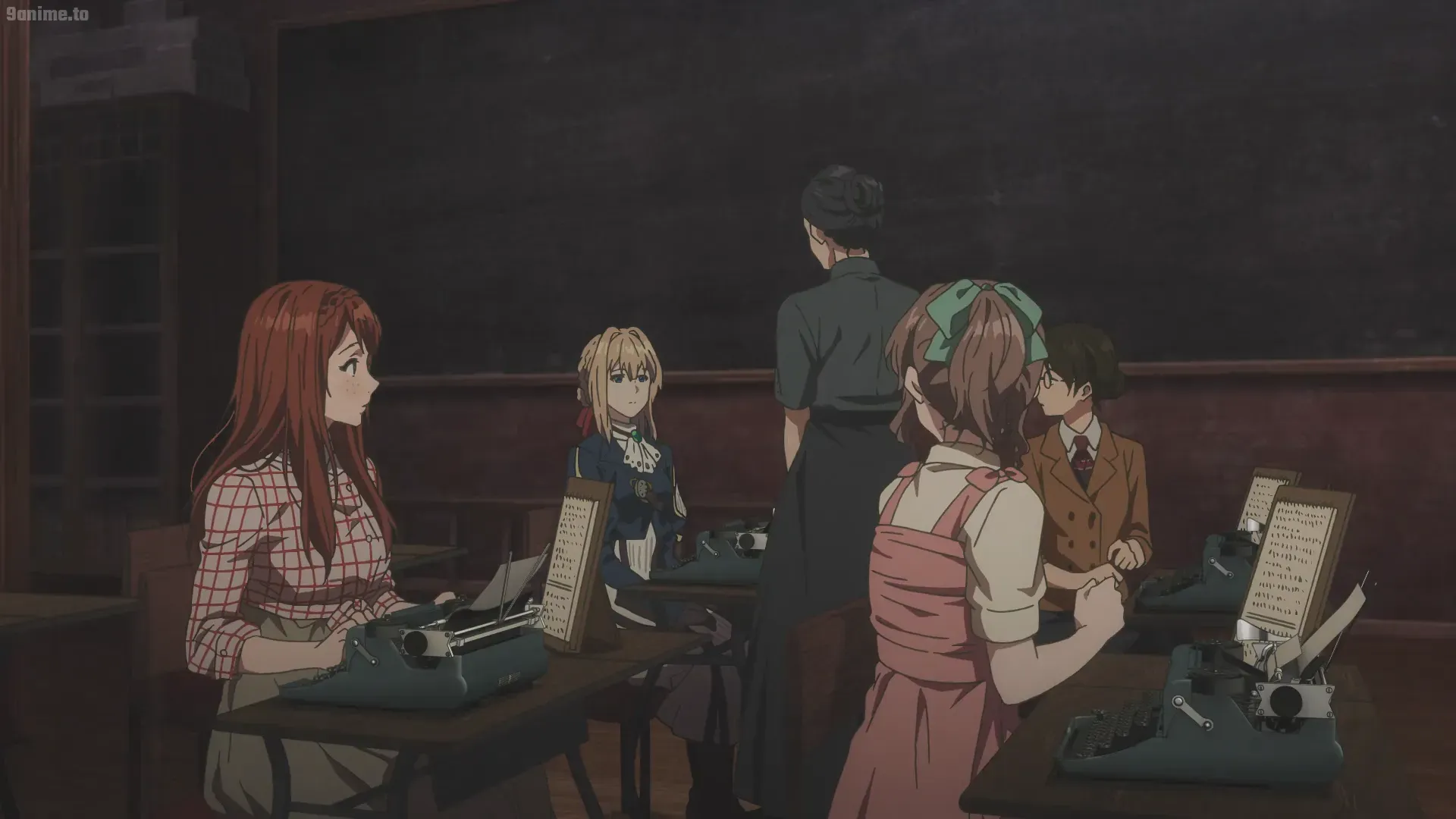
The season is an anthology threaded through one character. Early episodes establish the office, the job, and Violet’s emotional illiteracy. The middle stretch sends her out on assignments of uneven intensity. The late episodes turn inward, toward the war and the words she has been carrying.
That structure is both the show’s grace and its limit. The best hours refuse easy consolation and still feed Violet’s growth. A handful of middle episodes follow a familiar pattern: arrive, listen, write the healing letter, leave slightly more human than before. The pattern works until you notice it. Individual episodes are patient, the season is a little lumpy. The OVA is a pleasant extra rather than essential.
The television ending is a pause more than a period. It answers enough of Violet’s immediate question to feel honest, then leaves larger ones for later films. That choice is fair. It is also why the series can feel, on its own, like a first movement.
Themes & Writing
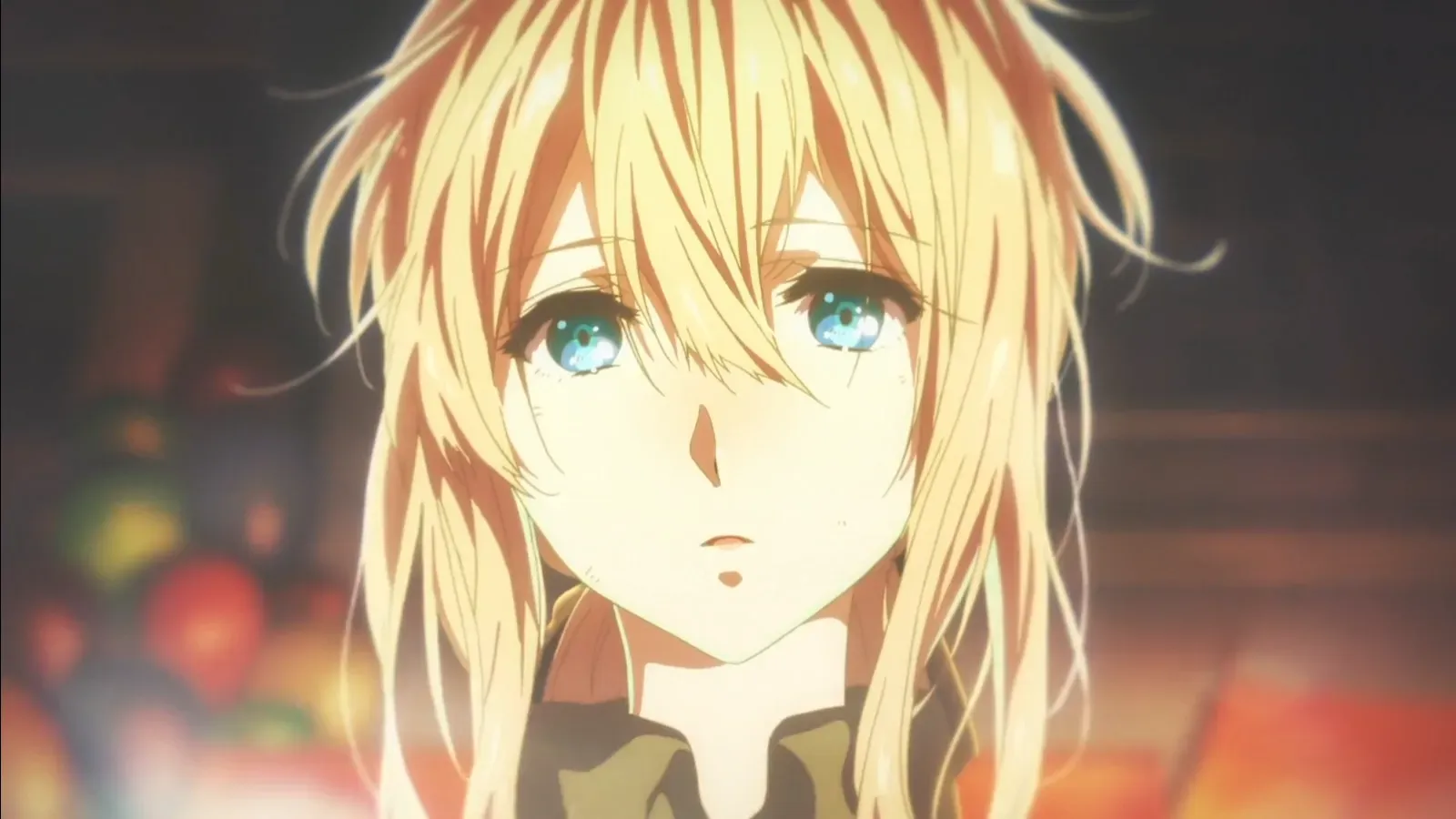
The writing keeps returning to a simple idea: language is how people become real to one another. Violet was trained to receive orders. Letters require her to inhabit someone else’s interior life and send it onward. The series is at its best when it treats that work as labor, not magic, when a sentence is hard to find, or when the right words still cannot fix what has already been lost.
War sits under everything without turning the show into a battlefield epic. The continent is rebuilding. People live with absences. Violet’s metal hands are not subtle, and the show does not pretend they are. She does not “learn to love” in a montage. She collects definitions the way a soldier collects maps, then discovers that maps are not the ground. Once you recognize the letter-as-catharsis shape, some episodes announce their destination too early. The hours that linger in ambiguity are the ones that justify the premise.
Animation & Art
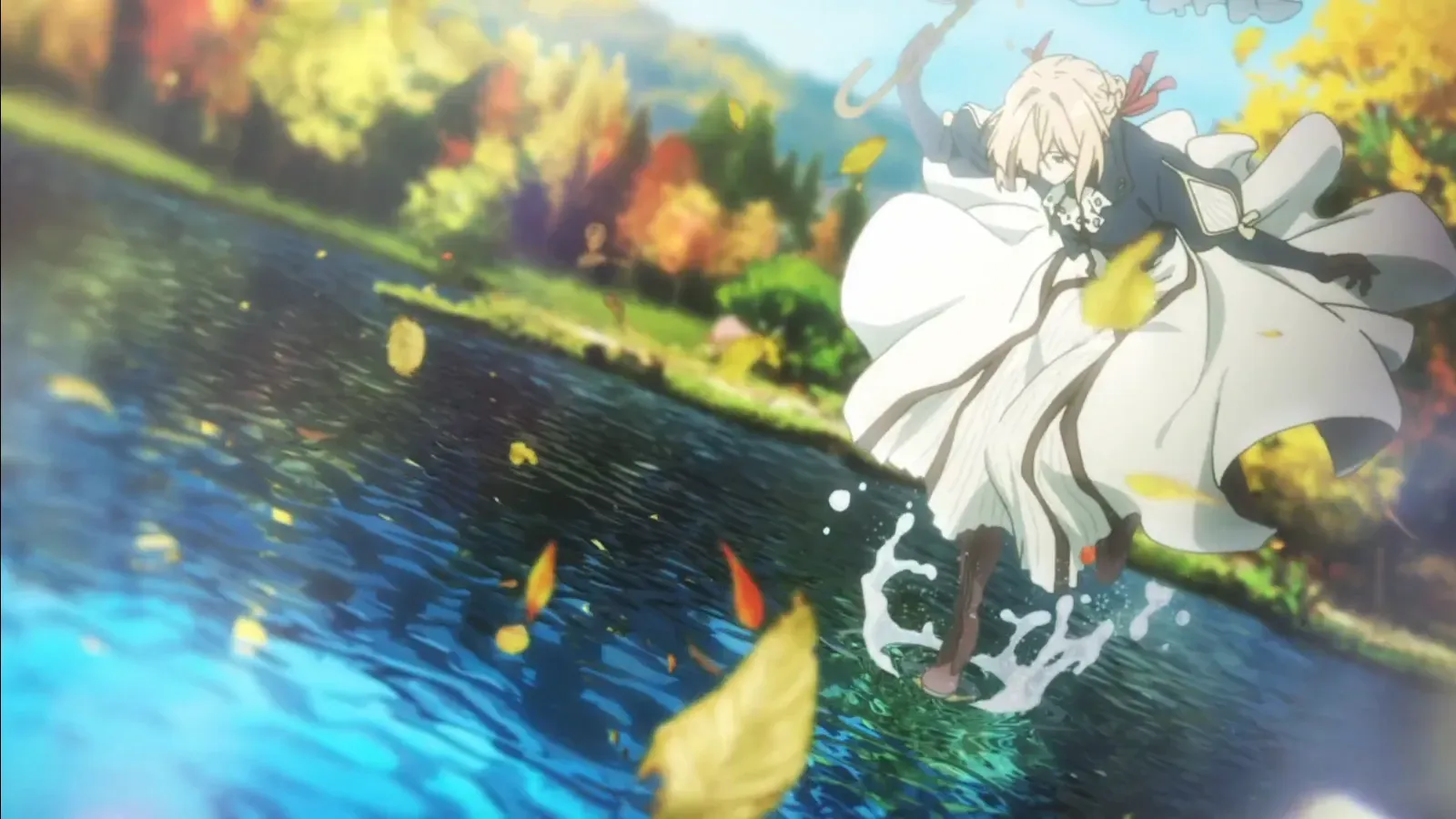
This is Kyoto Animation working at a level that still looks expensive years later. Fabrics, weather, mechanical fingers, train windows at dusk — the world has weight. Violet’s design is severe and doll-like without becoming cute, which is a harder line than it sounds. Backgrounds of Leidenschaftlich and the towns beyond it feel inhabited rather than painted for a postcard.
Taichi Ishidate’s direction favors stillness. When the show does move — a flashback, a storm, a theatre scene — the contrast lands because so much of the series is quiet. Character acting is the real spectacle: the way Violet sits, the way her eyes track a speaker’s mouth, the way her new hands hesitate over a pen. If the writing sometimes repeats itself, the images almost never do.
Music & Sound Design
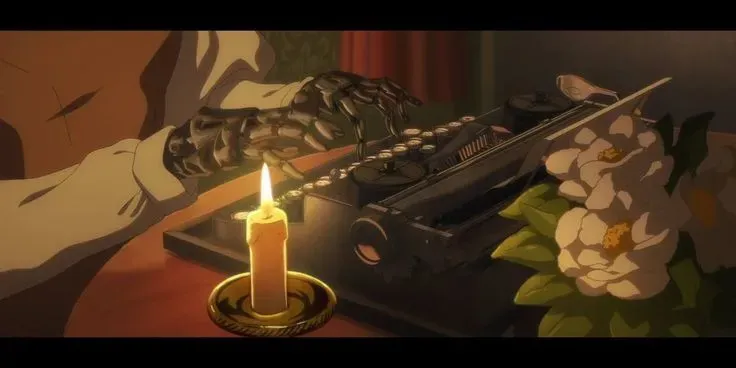
Evan Call’s score is the other half of the atmosphere. Strings and piano carry a lot of feeling, with enough restraint that the big swells still mean something. The opening, “Sincerely” by TRUE, is a promise of emotion Violet cannot yet name. The main ending, “Michishirube” by Minori Chihara, is gentler, like a letter being folded.
Sound design is careful in small places: typewriter keys, rain on a platform, the faint mechanics of Violet’s arms. When a letter is read aloud, the score usually knows when to step aside.
What Worked / What Didn’t
What worked:
Violet as a concept and as a performance. Letter-writing as emotional translation. The best standalone episodes, which treat grief as specific rather than generic. Kyoto Animation’s visual and acting craft. Hodgins and the postal company as a workplace instead of a lecture hall. Evan Call’s music, which supports scenes instead of replacing them.
What didn’t fully land:
The anthology rhythm repeats a healing shape often enough that a few jobs blur together. Gilbert is more symbol than person for most of the run. Violet’s growth can feel incremental to the point of stiffness — which suits her, and can still test patience. The television season is visually complete and narratively unfinished; anyone hoping thirteen episodes will close every wound will be on the later films.
Those are reservations, not a dismissal. The series remains one of the most carefully made character dramas of its decade.
Who This Is For
This is for viewers who will sit with a quiet hour, who prefer postwar reconstruction to battlefield spectacle, and who do not mind an episodic structure if the central character holds it together. Fans of A Silent Voice or the more reflective side of Kyoto Animation’s catalogue will likely feel at home.
If you need tight serialized plotting, fast banter, or a protagonist who emotes on a normal schedule from episode one, this will feel slow. It deals plainly with war, death, and parental loss. The 2019 side-story film and the 2020 feature continue Violet’s story and belong to the same conversation.
About the Author
Violet Evergarden began as a light novel by Kana Akatsuki, illustrated by Akiko Takase. It won the Grand Prize at the fifth Kyoto Animation Awards in 2014 — the first work to take that honor in the novel category — and became Akatsuki’s debut. Kyoto Animation published the books under its KA Esuma Bunko imprint from December 2015 to March 2020: two main volumes, the 2018 gaiden Eternity and the Auto Memory Doll, and the 2020 conclusion Ever After.
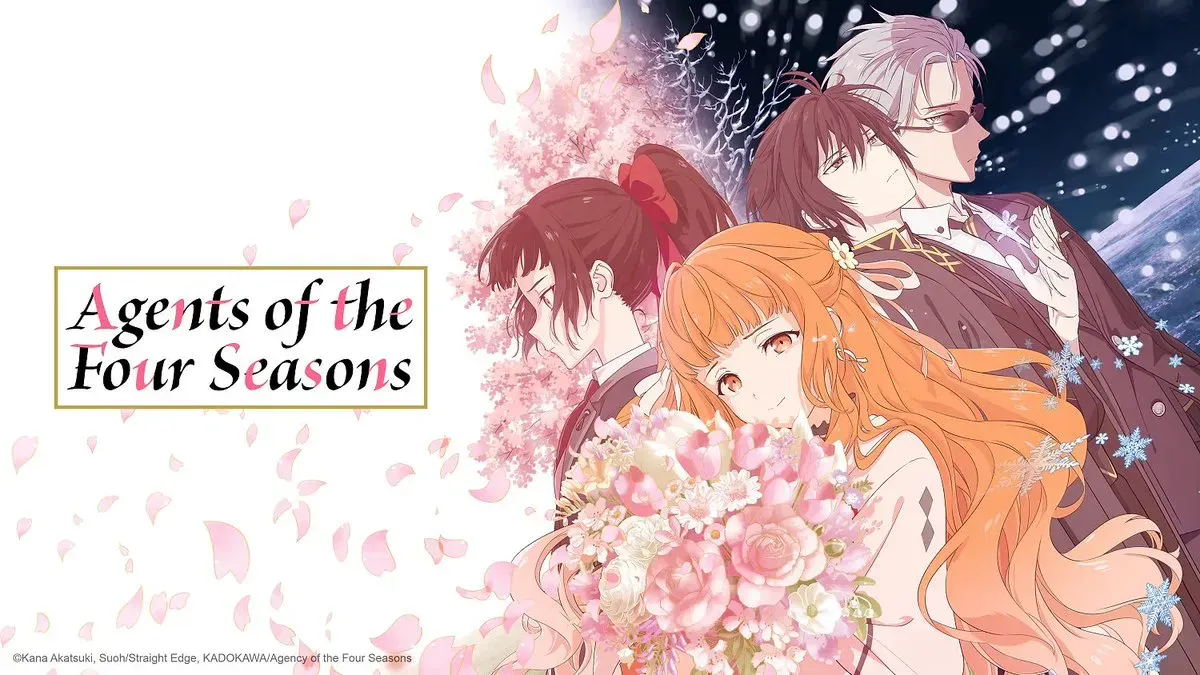
Akatsuki later wrote Shunkashūtō Daikōsha (Agent of the Four Seasons), licensed in English by Yen Press. Takase’s illustrations carried into the anime’s character designs. As of 2026 there is still no official English edition of the novels; the anime is the version most international viewers know. The adaptation rearranges and expands the material rather than copying it chapter for chapter.
Final Verdict + Score
Violet Evergarden is a beautifully made study of a person learning how to live among other people. The animation and music are exceptional. The best episodes are as moving as anything the studio has produced. The episodic design and the unfinished feeling of the finale keep it just short of the masterpiece some of its stills promise.
Final score: 8.5/10
Recommended — especially if you are willing to let a story take its time, and especially if you plan to continue into the films afterward.
Closing
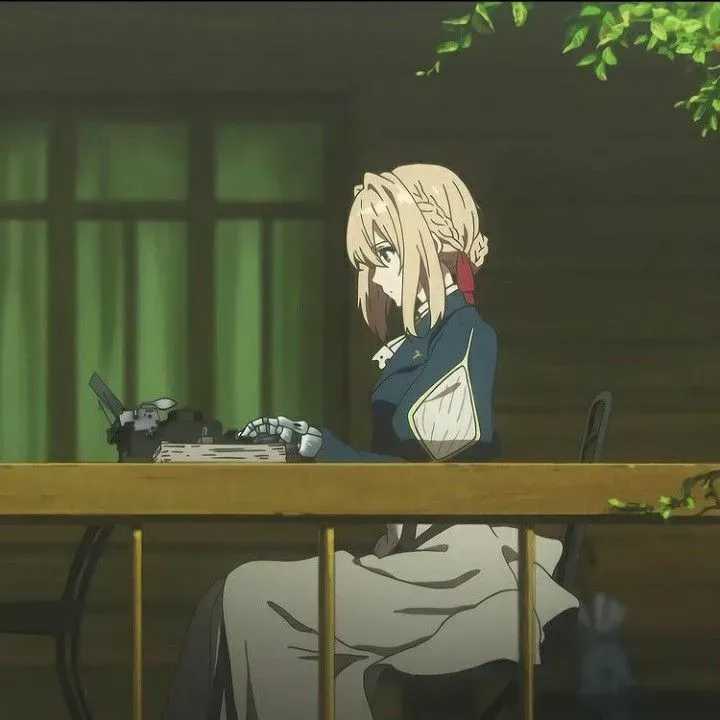
I keep thinking about Violet at a desk, trying to find a word that will stand in for something she has only ever felt as an order. That image is the series at its most honest. It is not always subtle, and it is not always even, but it is sincere in a way that is hard to fake.
If you have seen it, I would like to know which letter stayed with you. If you have not, start with the television series, keep a handkerchief nearby, and leave room on the calendar for what comes after.
Couch talk
Quiet on this thread so far — say something (we mod before it goes live).