Terror in Resonance an Ainme Review about 4 Lives and One Exploiting System
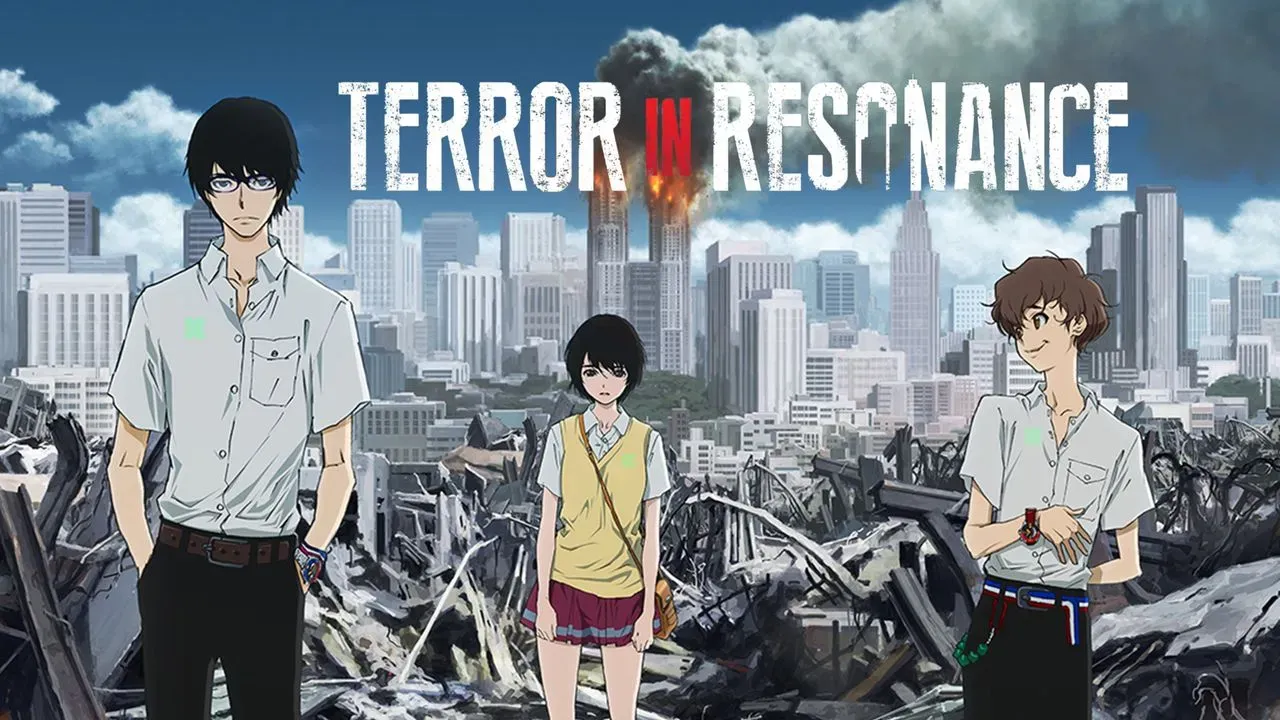
Studio: MAPPA
Episodes / Season: 11 episodes (1 cour)
Genre: Psychological Thriller, Mystery, Drama
Air date / Status: July–September 2014 – Completed
My Score: 8/10
Introduction
Terror in Resonance (Zankyou no Terror) is Shinichirō Watanabe’s coldest television piece: two teenagers call themselves Sphinx, leave the word “VON” painted in red, and turn Tokyo into a public riddle. It is a mood piece that happens to be built like a thriller — Icelandic air over Japanese streets, a detective who still believes in paper trails, and a pair of boys who should not exist.
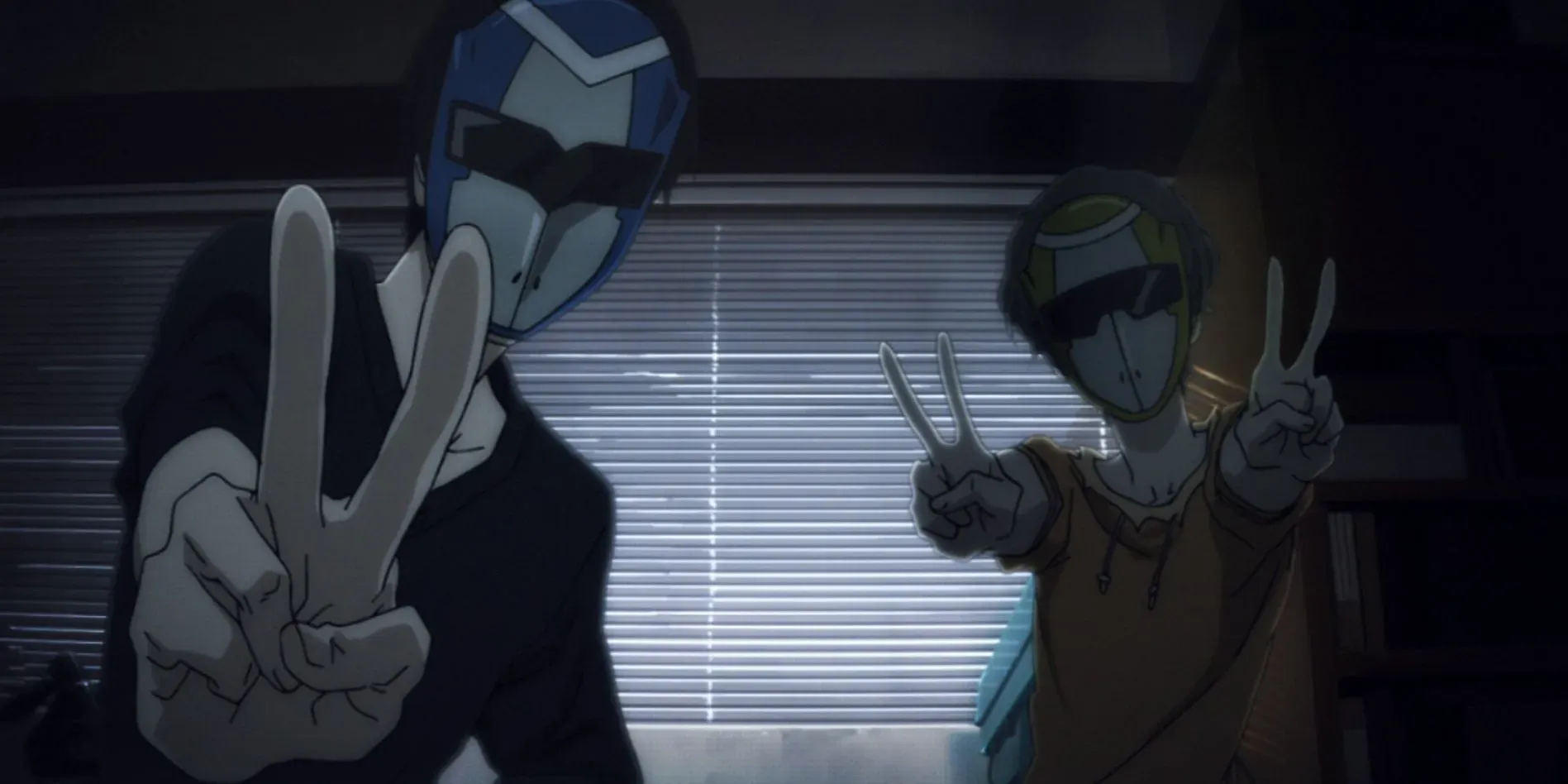
The first half is almost unfairly confident. Everything proceed with a mission in mind, other side of this mission is the hunter of those minds involved. The second half slowly unravels the identity and the parts of each mission. Freedom and living this might have the same meaning in the dictionaries but it vary person to person and thats what this anime tried to showcase.
Spoiler warning: The synopsis stays with the premise. From Story & Pacing onward, the piece talks about the shape of all eleven episodes, including the Athena Project, the third survivor, and how the finale settles. It does not walk through every riddle. If you want the last hours cold, watch first.
Spoiler-Free Synopsis
A nuclear facility is hit. The only signature left behind is a painted word. Months later, two boys in white masks upload a video and introduce themselves as Sphinx. They are high-school age. They speak in puzzles borrowed from myth. They ask the city to play, and they make it expensive not to.
Nine is the planner: quiet, precise, already tired of being looked at. Twelve is the one who still knows how to smile, who treats a stolen scooter like a kind of freedom. They transfer into an ordinary class and notice Lisa Mishima, a classmate being crushed at school and at home. She is not part of the plan. She becomes part of the story anyway.
The police fail until they pull Kenjirou Shibazaki out of the records room. He is the kind of detective institutions demote for asking the wrong historical questions. Sphinx is not only a case for him. It is a pattern he has seen before in other official silences.
Characters

Nine and Twelve are the show. Nine carries the intellect and the grief; he treats every public act as a sentence he has already finished writing. Twelve is the warmth that keeps the premise from freezing solid. Their bond is the one relationship the series never has to explain. They share a childhood no one was supposed to survive, and they share a private language that looks like teasing until you notice how carefully Twelve watches Nine’s health.
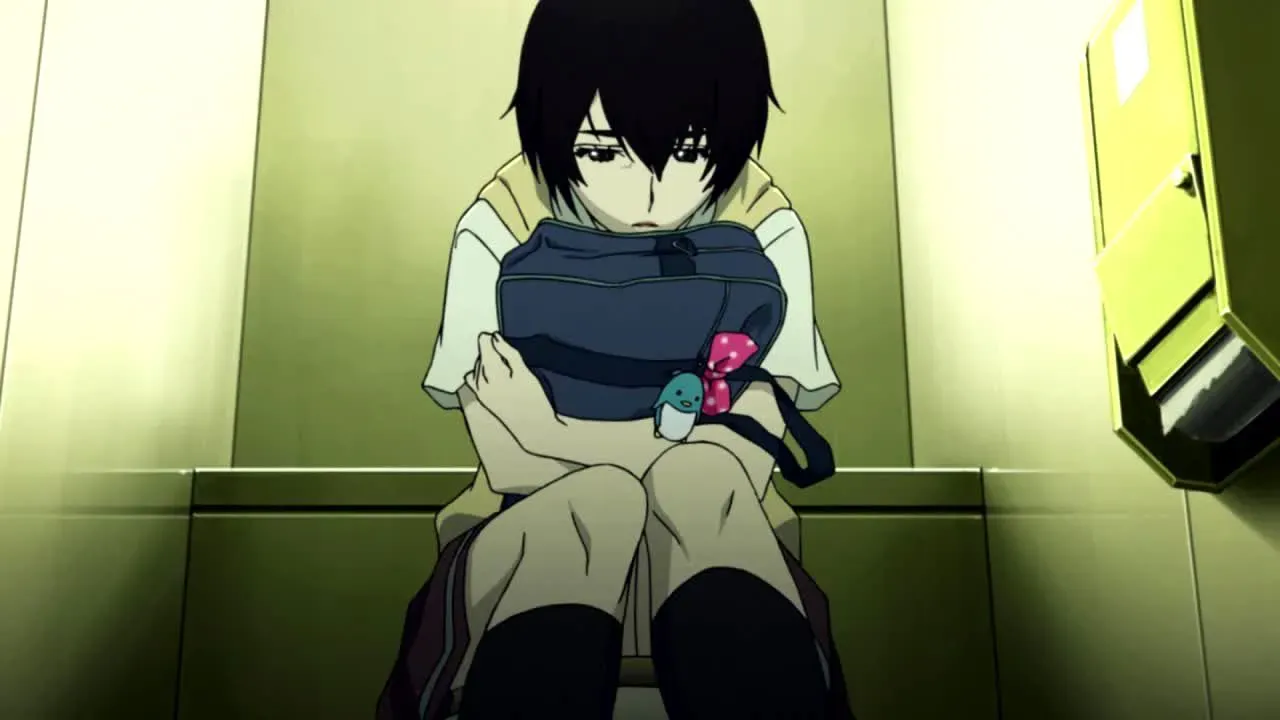
Lisa is the civilian the plot keeps pulling into the frame. Her home is a smaller terror — a possessive mother, a school that treats her as sport — and the boys are the first people who see her without turning her into a target. The writing wants her to be a third note in the chord. Too often she is a person who needs rescuing so Twelve can prove he still has a heart. That is not nothing. It is less than the first episode promises.
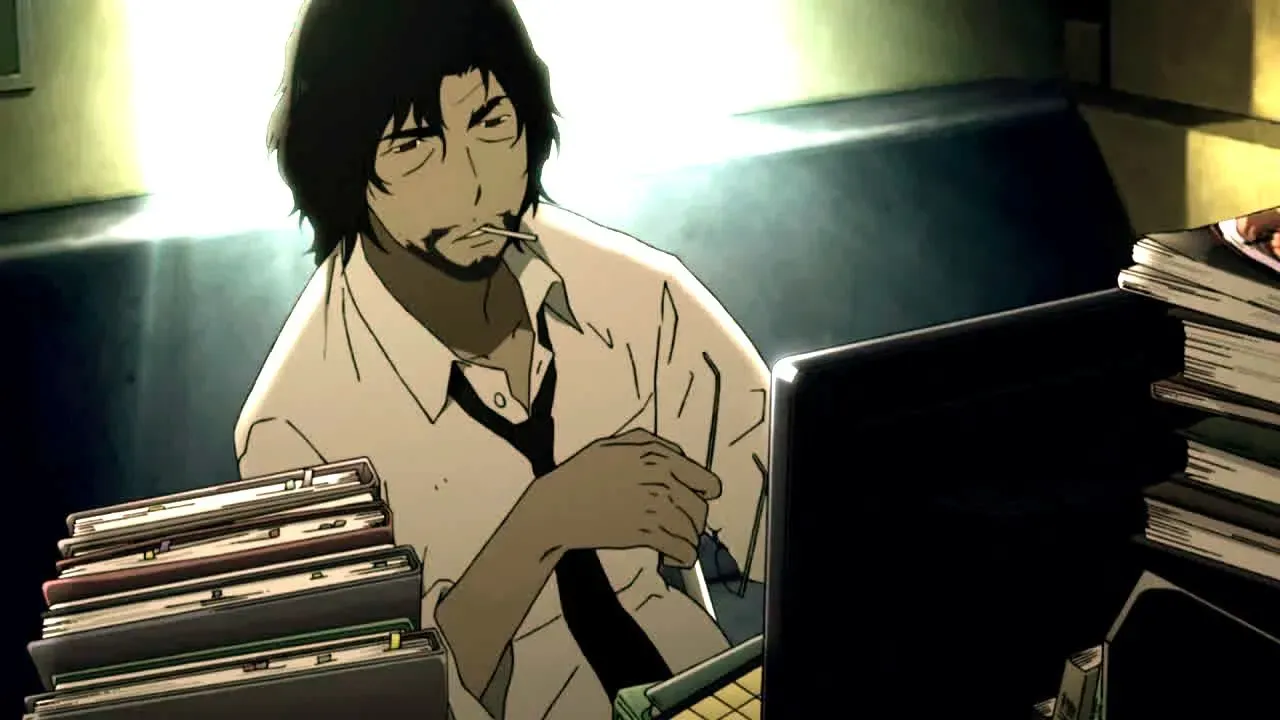
Shibazaki is the adult the series actually earns. He is not a genius rival in the Death Note sense. He is a man who has already lost one career for following a cover-up, and Sphinx looks to him like another official lie wearing a teenage face. His scenes in the investigation room are some of the best “grown-up television” Watanabe has directed: coffee, maps, a younger officer who still thinks procedure is a moral system.
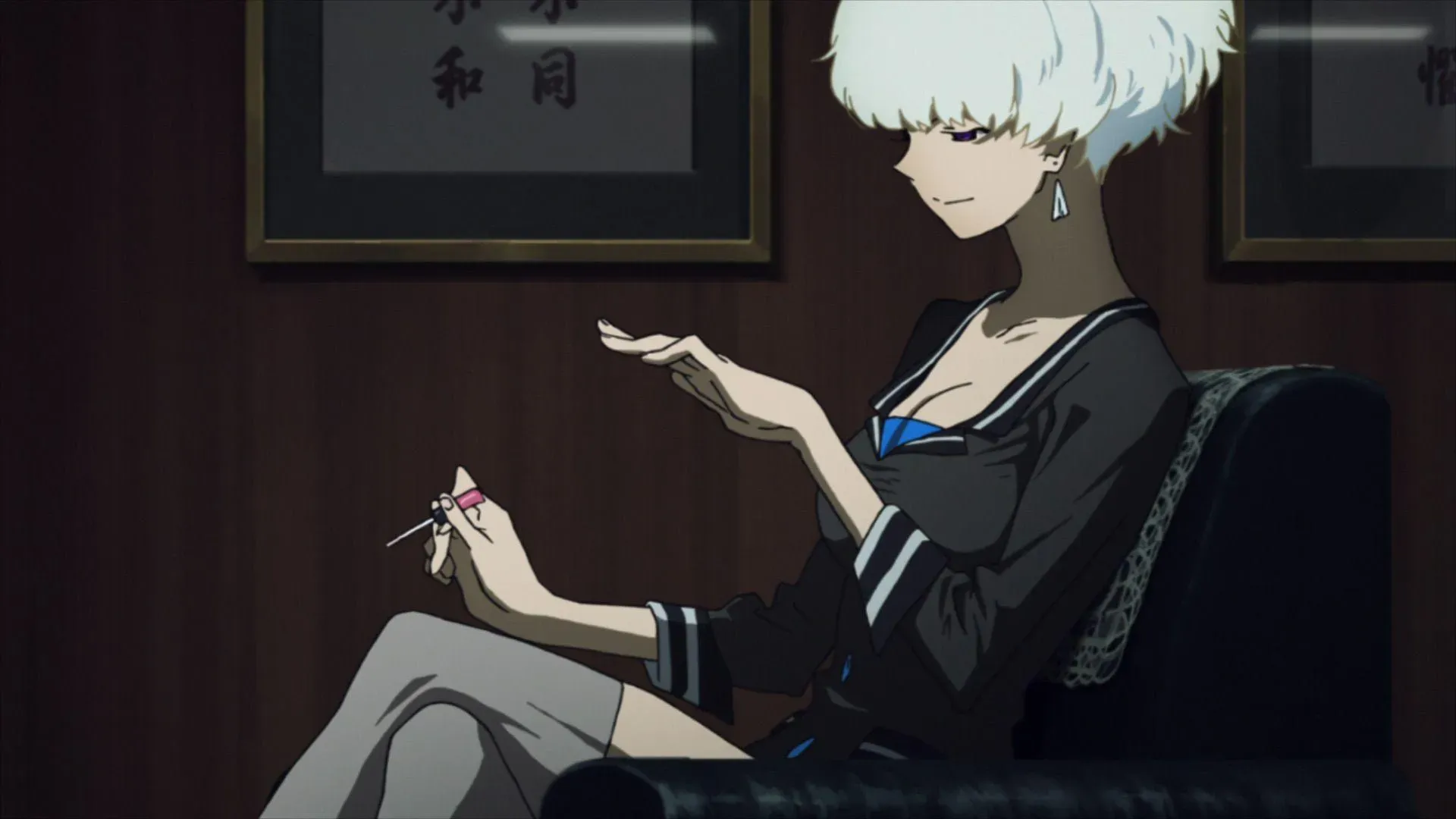
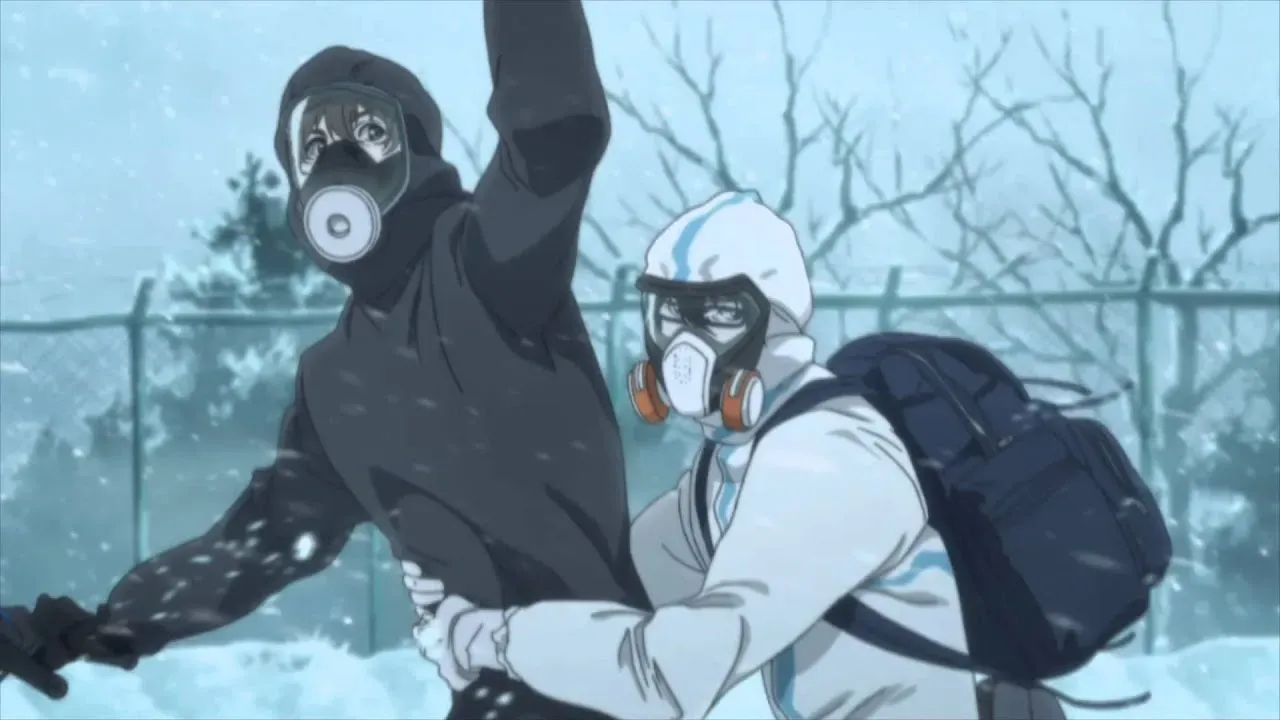
Then Five arrives. She is the third child from the same sealed experiment, now working with American counterterror, and she treats Nine like a game she was denied the chance to finish. The idea is strong. The execution is louder than the rest of the show. Where Nine and Twelve are all restraint, Five is spectacle and obsession, and the temperature change is the moment many viewers feel the thriller become a different series.
Story & Pacing
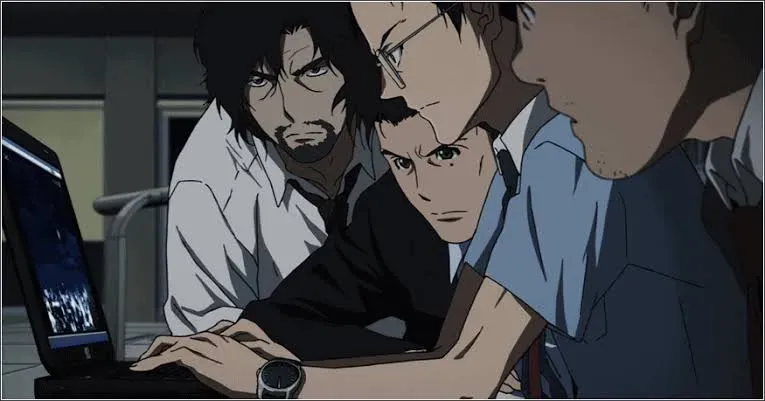
Eleven episodes is both the gift and the limit. The opening stretch is exemplary: an attack, a video, a riddle, a city that cannot decide whether it is watching a prank or a war. Watanabe directs those hours like someone who trusts silence. You get rooms, weather, the sound of a bike on wet asphalt. You get just enough of the boys’ domestic life — instant noodles, a dingy apartment, Icelandic records — to understand that the “terrorists” are also children hiding in plain sight.
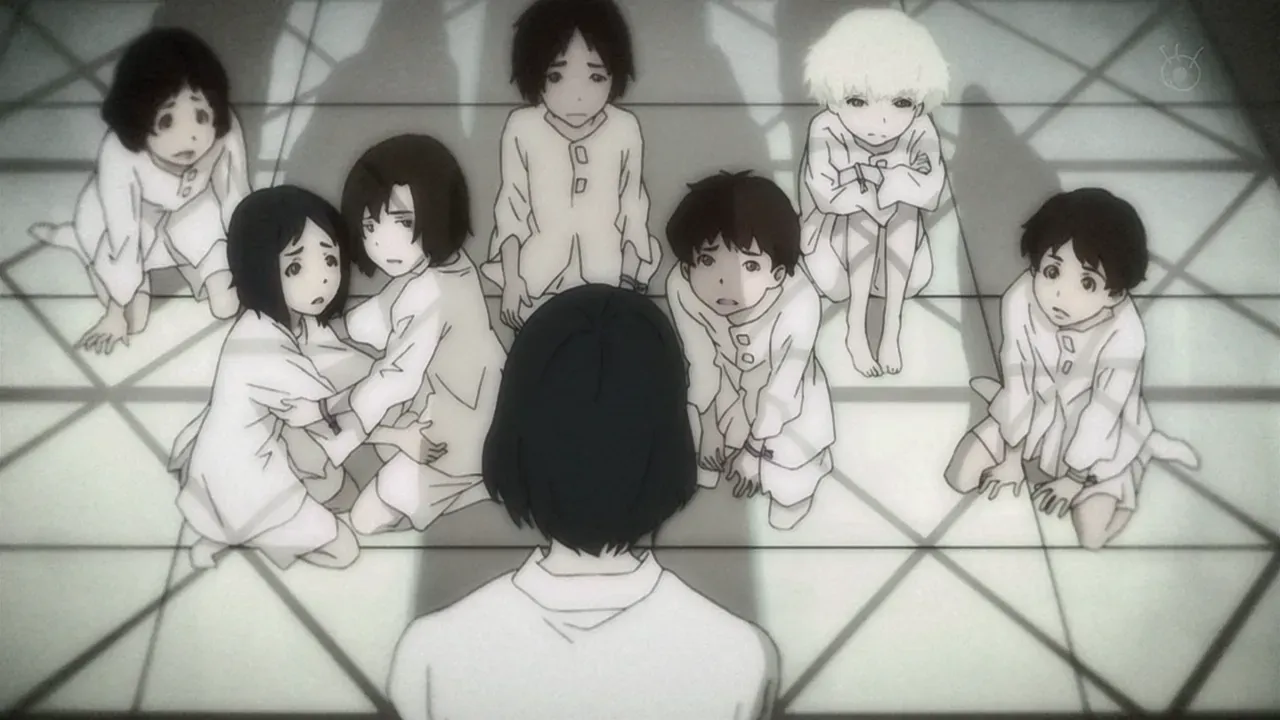
The mid-series turn is the Athena Project: a secret program that gathered orphaned children, tried to manufacture savants, and buried the ones who broke. Sphinx’s public theater is not random cruelty. It is a demand that the country look at a room it locked. That motive is cleaner than a lot of prestige thrillers manage. It is also simpler than the first four episodes led you to hope. Once the files are on the table, the mystery becomes a chase, and the chase has to invent a rival.
Five’s arc pads the back half with set pieces the early show did not need: an airport crisis, a game of one-upmanship, a personal feud that crowds out the political one. Shibazaki’s investigation still has spine. The boys’ plan still has a destination that is more statement than slaughter — they are trying to be heard, not to fill a morgue. But the last three episodes have to land an origin story, a love triangle of trauma, a press-conference gambit, and a farewell. They almost do. “Almost” is why this is an 8 and not a 9.
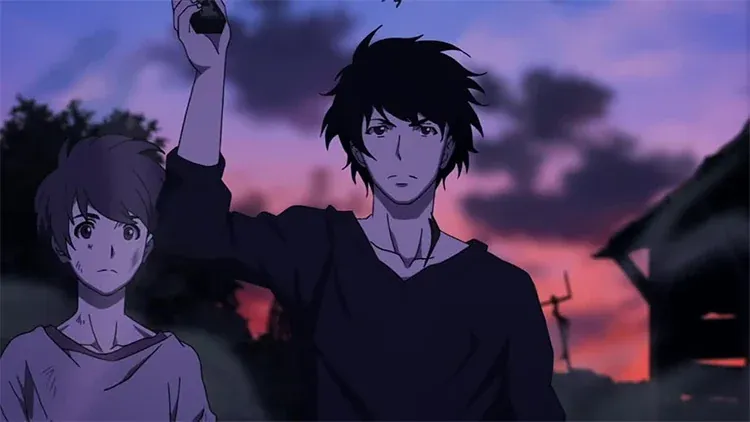
The finale is sincere. An act meant to light the sky rather than burn the city. A visit to the graves of the children who did not get numbers that survived. A year later, the file is public, Shibazaki is still the kind of man who keeps a promise to the dead, and Lisa is the one left to explain what “VON” was always supposed to mean. Hope, in Icelandic. The image holds. The road to it is bumpier than the score on the soundtrack.
Themes & Writing
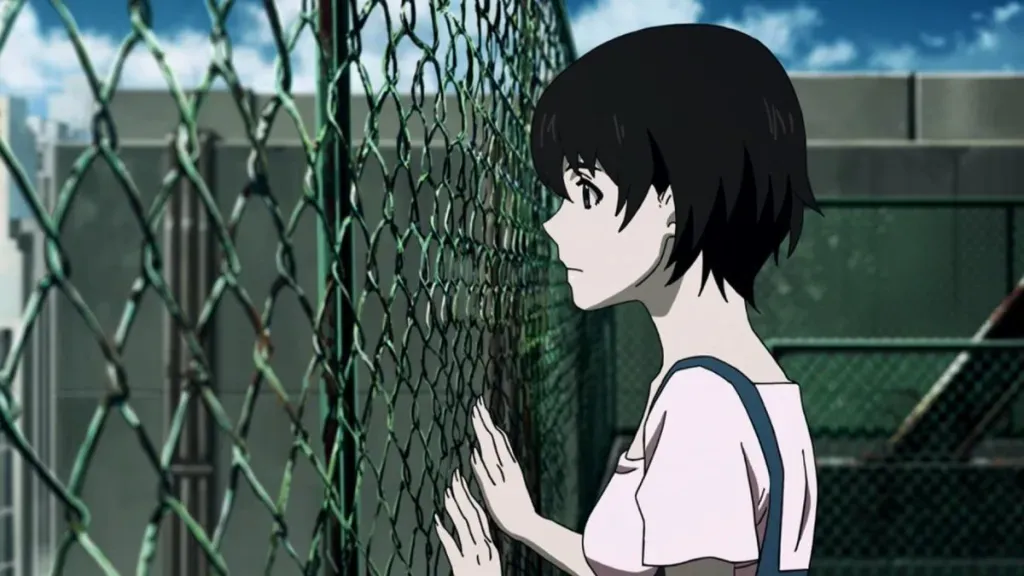
The series is about children the state used and then refused to see, and about a public that prefers a monster to a memo. Terrorism here is a language, not a manual: riddles, videos, monuments as messages. Watanabe is less interested in ideology than in echo — the Japanese title is literally “terror of the reverberation.” What you bury comes back as weather.
It is also about the small ethics of looking after someone. Twelve’s kindness toward Lisa is the argument that the experiment did not finish its work. Nine’s refusal to become the killer the news needs is the other half. The writing is sharper on those human scales than on geopolitics. The American subplot and the postwar motive for Athena are sketched more than examined. If you come wanting a thesis on security states, you will feel the outline. If you come wanting two people who only know how to live inside a plan, the outline is enough.
The Oedipus riddles are a flourish that sometimes earns its myth and sometimes just dresses a countdown. When the show trusts faces more than puzzles, it is Watanabe at his most adult.
Animation & Art
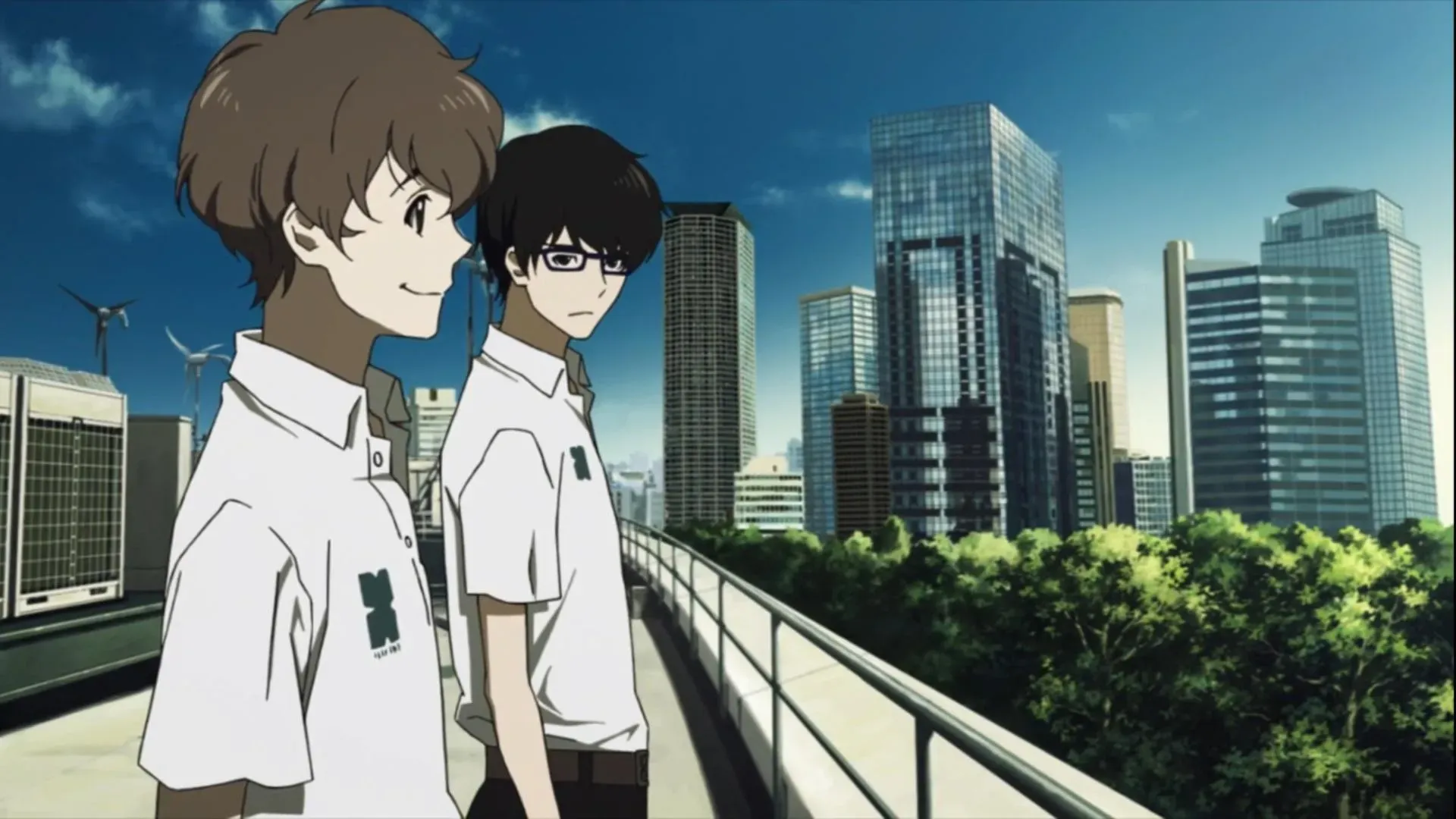
This is early MAPPA with something to prove, and the still frames prove it. Kazuto Nakazawa’s designs are long-limbed and tired in a way teen protagonists rarely are. Tokyo is photographed rather than decorated: overpasses, convenience-store light, government concrete. The color script goes cold on purpose — greys, night blues, the occasional smear of emergency red.
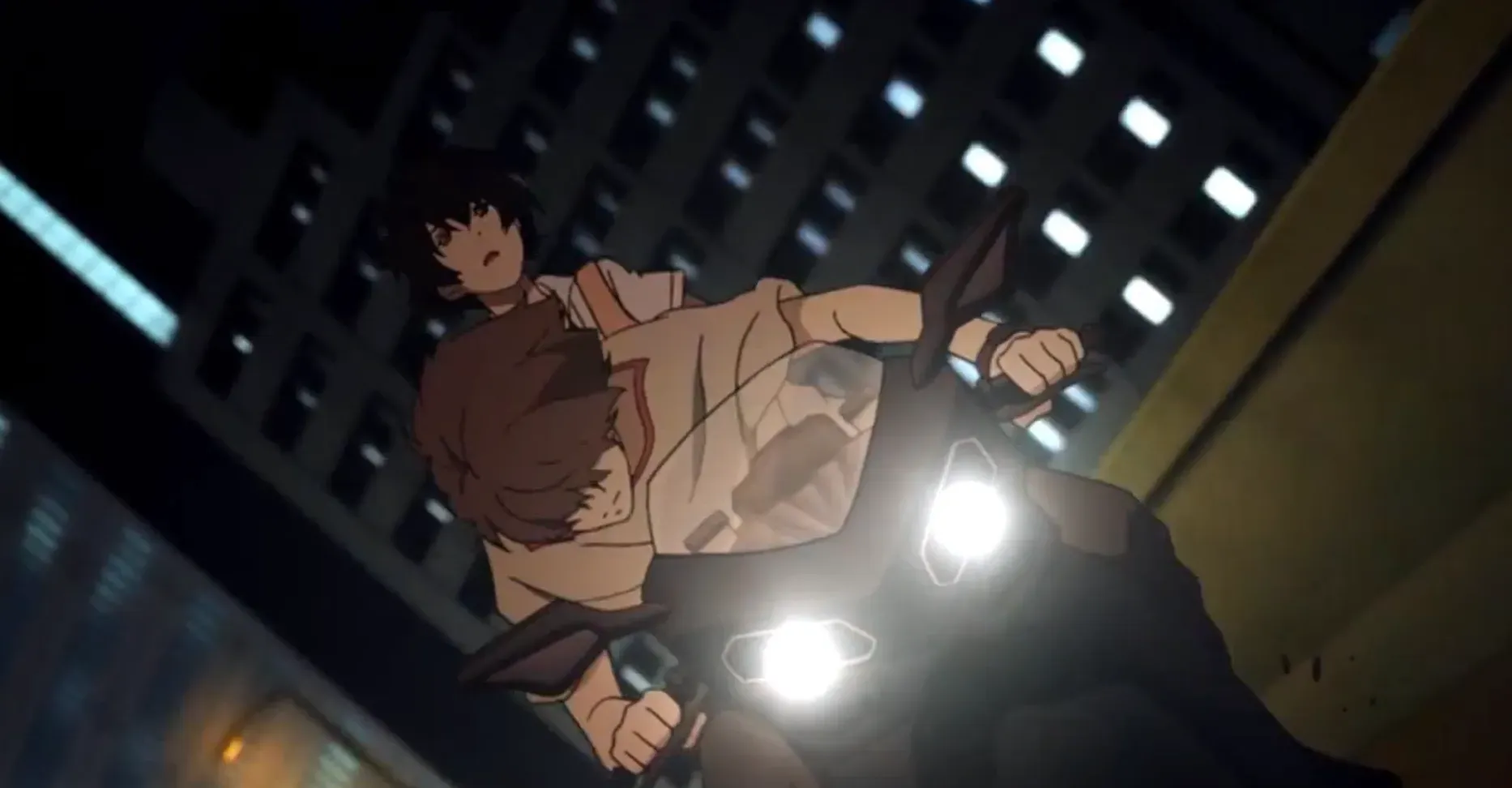
Action is secondary and sometimes stiff. The series is better at waiting than at detonating. When it does move — a bike through the city, a crowded station, a sky that finally answers — the direction remembers that spectacle is only useful if the faces survive it. Compared with later MAPPA war machines, Terror in Resonance looks handmade. That is a compliment.
Music & Sound Design
Yoko Kanno went to Iceland for this. Watanabe has said Sigur Rós gave him the first image: two boys in the ruins of a city. You can hear that origin in the score — sparse piano, choir that does not resolve, Arnór Dan’s voice on “von,” air where another thriller would put percussion.
The opening, “Trigger” (Yuuki Ozaki of Galileo Galilei), is a fuse. The ending, Aimer’s “Dare ka, Umi o.” (“Somebody, the Ocean”), is the thing the fuse was protecting: a request, not a threat. Episode to episode, the soundtrack does more consistent storytelling than Five’s plots. If the series has a masterpiece, it may be the music plus the quiet shots it is allowed to cover.
What Worked / What Didn’t
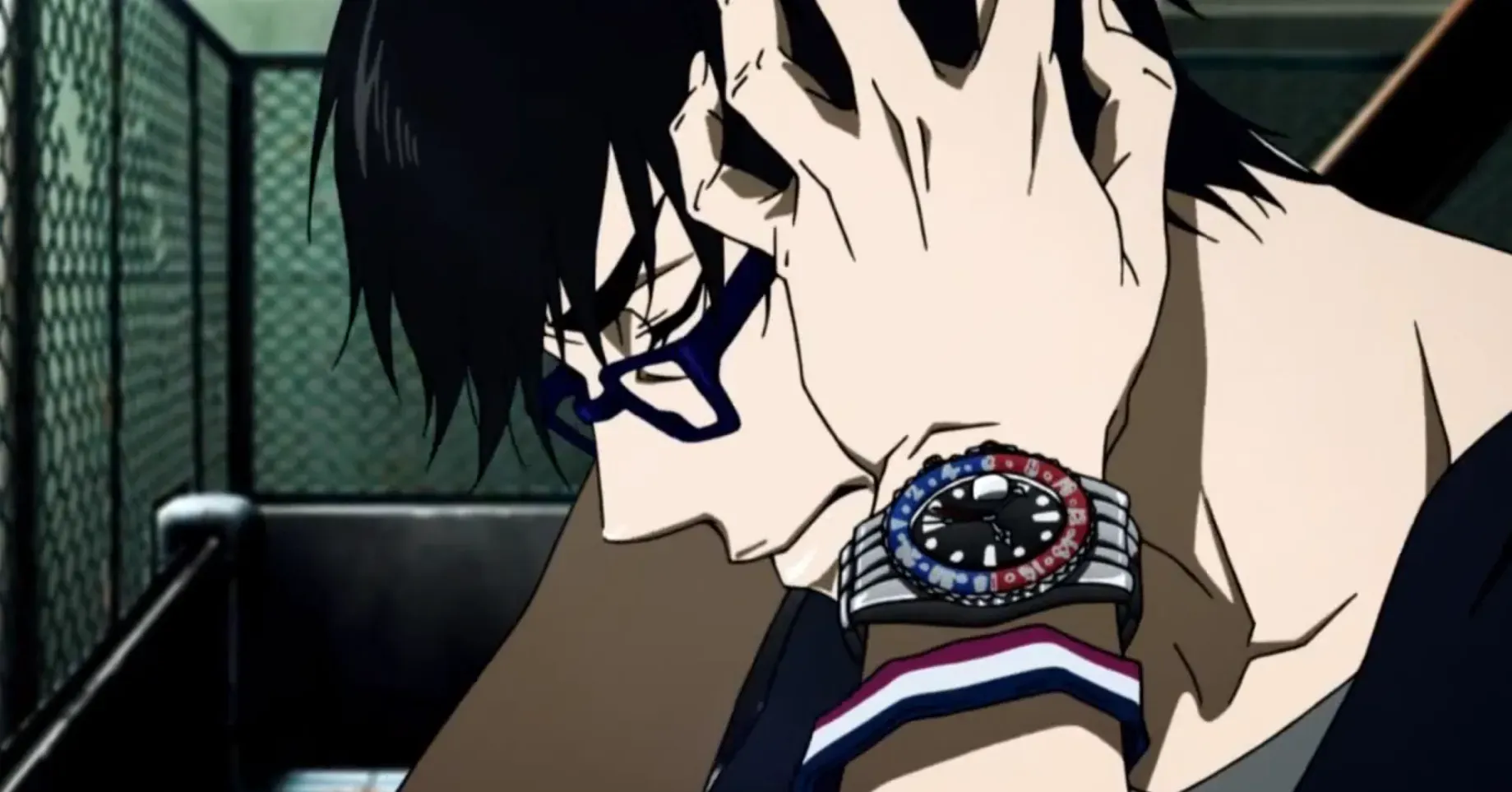
What worked:
The first-cour mood: two kids in a city that will not admit what it did to them. Nine and Twelve as a complete relationship. Shibazaki as a detective who reads history instead of performing genius. A political motive that, even thinned, is more honest than “chaos for chaos.” Direction that knows when not to cut. A finale image — sky, aurora, a word that meant hope — that stays after the plot arguments fade. Kanno’s Icelandic winter sitting on Japanese summer.
What didn’t fully land:
Lisa’s role shrinking into passenger and hostage. Five as a rival who changes the genre without deepening it. Athena revealed more than dramatized, the Settlement is an idea you understand faster than you feel. A back half that spends its remaining hours on confrontation when the early show had already won on atmosphere. An 11-episode count that is brave and still a little short for the file it opens.
Who This Is For
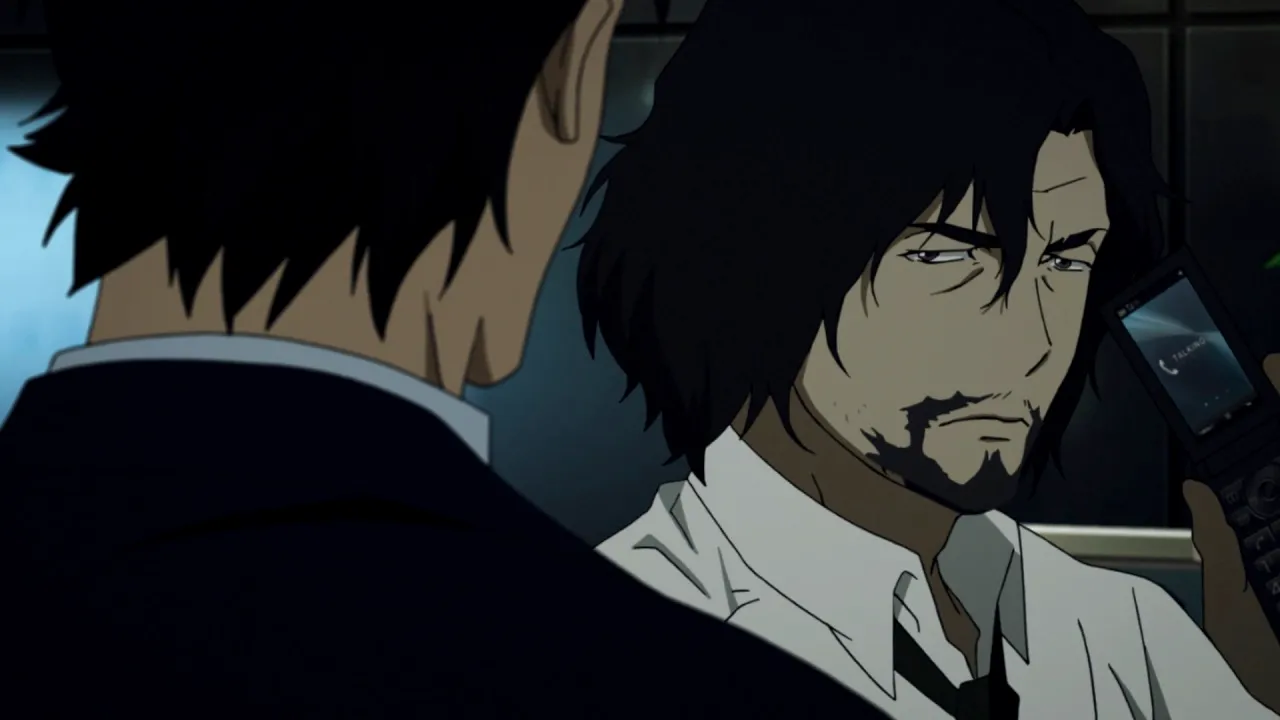
This is for viewers who will sit with a thriller that cares more about weather and faces than about a perfect mystery box. If you like Watanabe’s adult mode — Cowboy Bebop’s melancholy without the gags, Kids on the Slope’s sincerity without the club — this is the straight-line version of that taste. It is also a fair watch if you want a complete story in one cour and a soundtrack you will keep.
Skip it if you need the antagonist to match the heroes in texture, if Lisa’s underuse will grate week to week, or if you want terrorism fiction that argues policy instead of mourning children. People who bounce off slow first episodes should know the confidence is front-loaded; the risk is the opposite of a weak start.
About the Creators
Terror in Resonance is an original television project created and directed by Shinichirō Watanabe for Fuji TV’s Noitamina block, animated at MAPPA, and written by a room that included Shōten Yano, Hiroshi Seko, Jun Kumagai, and Kenta Ihara. Watanabe had already made Cowboy Bebop, Samurai Champloo, and Kids on the Slope (also at MAPPA, also with Yoko Kanno) and would keep moving between original work and adaptation. Character designs came from Kazuto Nakazawa, whose line you may know from Samurai Champloo. The series ran eleven episodes in summer 2014 and reached English-speaking audiences through Funimation, now under Crunchyroll. A 10th-anniversary visual in 2024 was a reminder that the show still has a room, even without a bookshelf of volumes behind it.
Final Verdict + Score
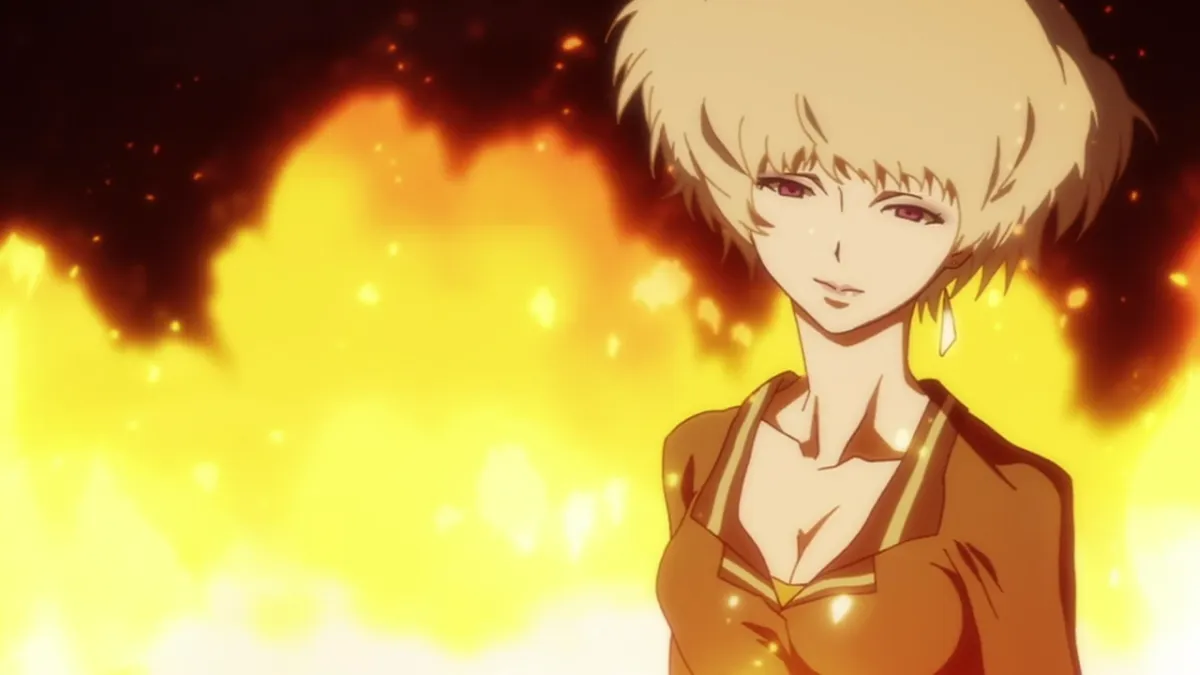
8/10. Watch it for the first half’s control, for Nine and Twelve, for Shibazaki’s tired competence, and for a score that does half the directing. Stay for a finale that chooses witness over body count. Go in knowing the middle invents a rival the premise did not strictly need, and that the political file is a sketch. It is still one of the more distinctive single cours of the 2010s: short, cold, and oddly tender toward the people it will not let live long.
Closing
I remember the apartment more than the monuments, a get away ride which almost felt like no less than freedom from the life itself. That is the version of the show I recommend. Five's arrival in the plot starts raising its voice with compasion of unfinished business with past. If you have finished all eleven, I want to know whether you heard a thriller or a requiem, and whether “VON” felt like a twist or like a word the music had been saying the whole time.
Couch talk
Quiet on this thread so far — say something (we mod before it goes live).