Noragami Review: The Stray God Who Grants Wishes For 5-Yen Only
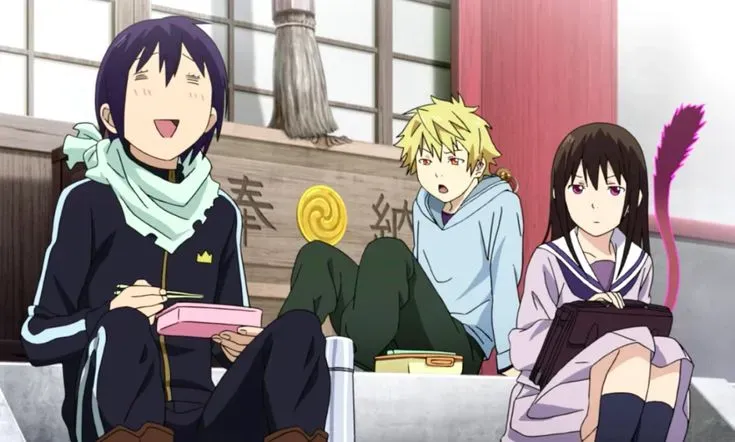
Studio: Bones
Episodes / Season: Season 1 (12 episodes) + Noragami Aragoto (13 episodes) + OVAs
Genre: Action, Supernatural, Comedy, Adventure
Air date / Status: January–March 2014 (S1) / October–December 2015 (S2)
My Score: 8.5/10
Introduction
You know that feeling when you start an anime just looking for something light and fun… and somehow end up emotionally invested in it? That’s Noragami for you.
On the surface it’s a stylish, often hilarious story about a nameless god trying to make a name for himself. Underneath, it’s about belonging, guilt, found family, and what it means to be needed. I went in expecting a fun supernatural ride and walked away genuinely caring about these characters.
Mild spoiler warning: I’ll keep the plot details light, but if you’re ultra-sensitive, maybe watch first and come back later.
Spoiler-Free Synopsis
Yato is a minor god with zero shrines, almost no worshippers, and a serious cash-flow problem. He takes any job that comes his way, even for the low, low price of five yen hoping one day he’ll become a proper, respected deity with his own place.
His path crosses with Hiyori Iki, an ordinary high-school girl whose life gets turned upside down after a near-accident leaves her soul able to slip out of her body. Suddenly she’s seeing the spirit world, and Yato is the chaotic force who pulls her into it. Alongside them is Yukine, a young spirit who becomes Yato’s newest “regalia” — basically his living weapon.
What follows is a mix of ghost-busting, godly politics, personal growth, and a lot of arguing about money, responsibility, and what it means to actually care about someone.
Characters
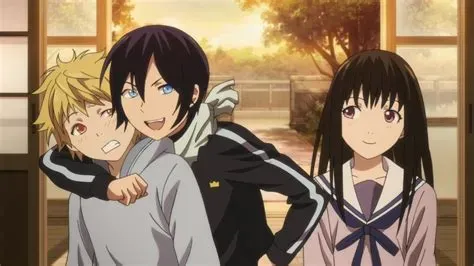
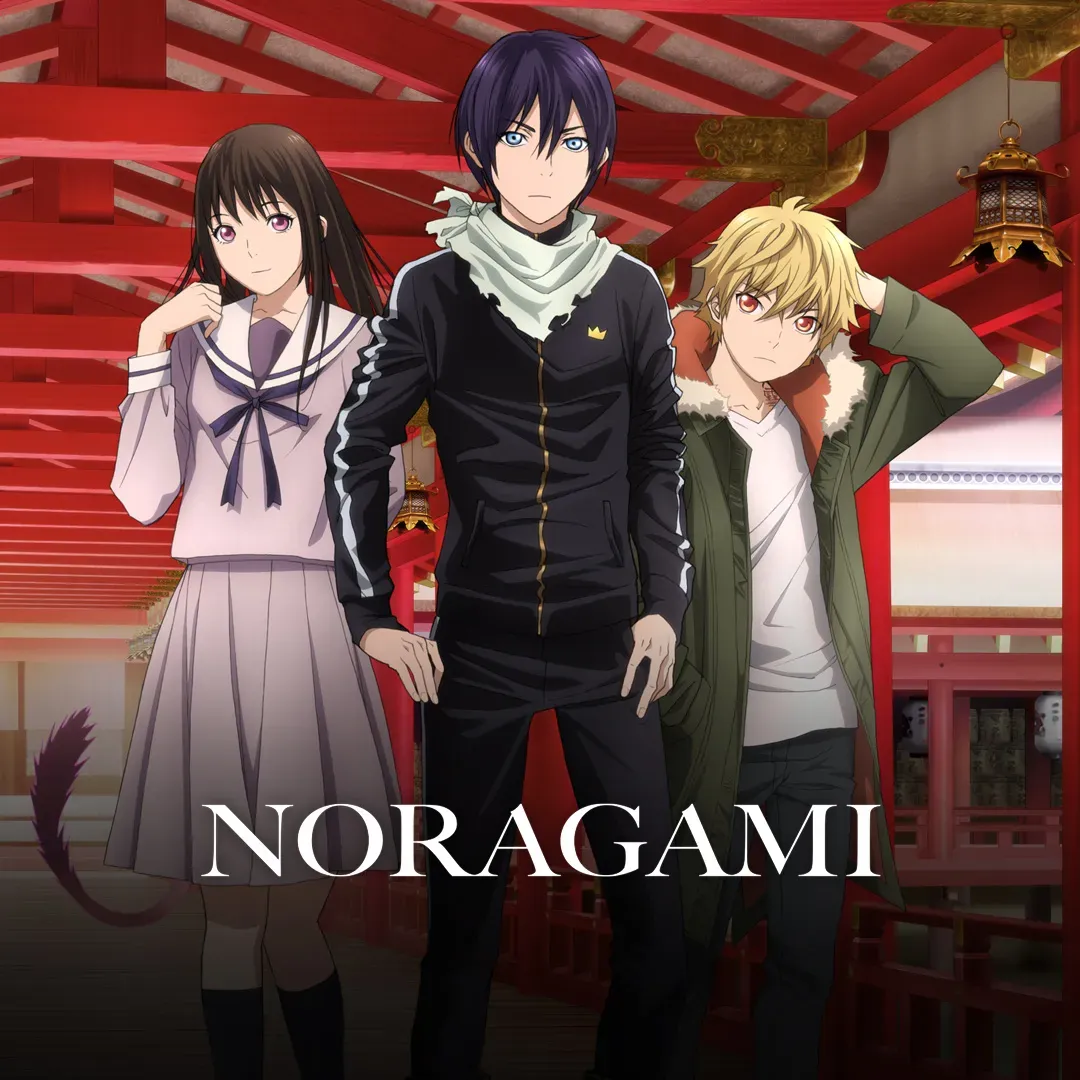
The heart of Noragami is the trio, and studio Bones made sure they feel like real people who just happen to deal with phantoms and divine hierarchy.
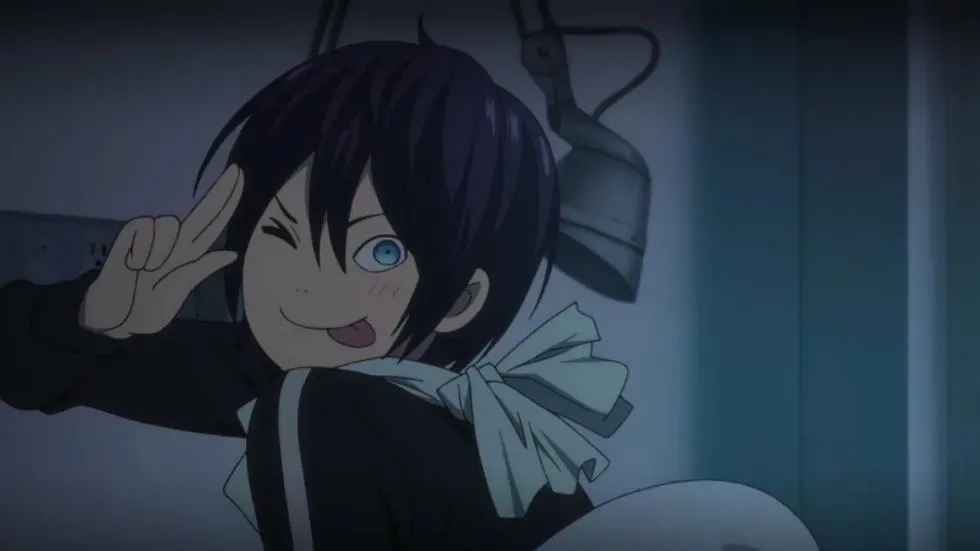
Yato is the star and a walking contradiction. He's loud, dramatic, kind of pathetic, and somehow still magnetic. He’s the guy who will yell about becoming a famous god one second and then quietly do something selfless the next. His progressive growth across both seasons feels earned rather than forced. You laugh at him, get frustrated with him, and then catch yourself rooting for him harder than you expected.
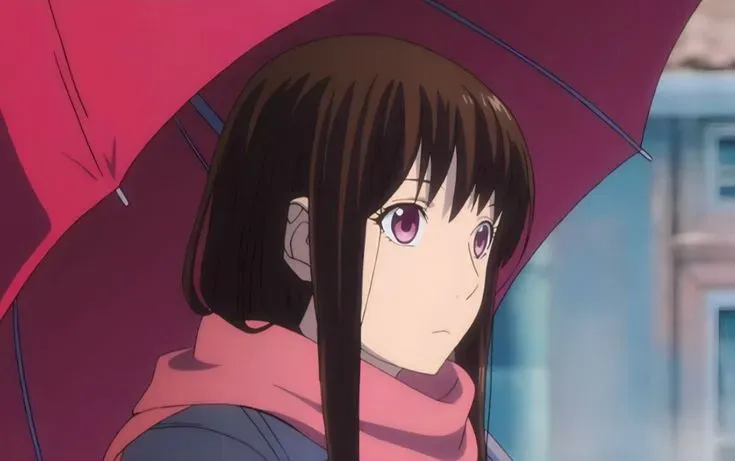
Hiyori is the grounding force. She’s not a pure “normal girl thrown into chaos” stereotype, she has her own stubbornness, curiosity, and quiet strength. The way she balances her everyday life with the Far Shore is handled with surprising care. She’s the one who keeps asking the important questions the gods would rather ignore.

Yukine might be the most compelling of the three for me. A newly named spirit figuring out what it means to exist again, to have a purpose, and to deal with the weight of being a weapon. His arc has real emotional teeth, and the tension between him and Yato is some of the best character work in the series.
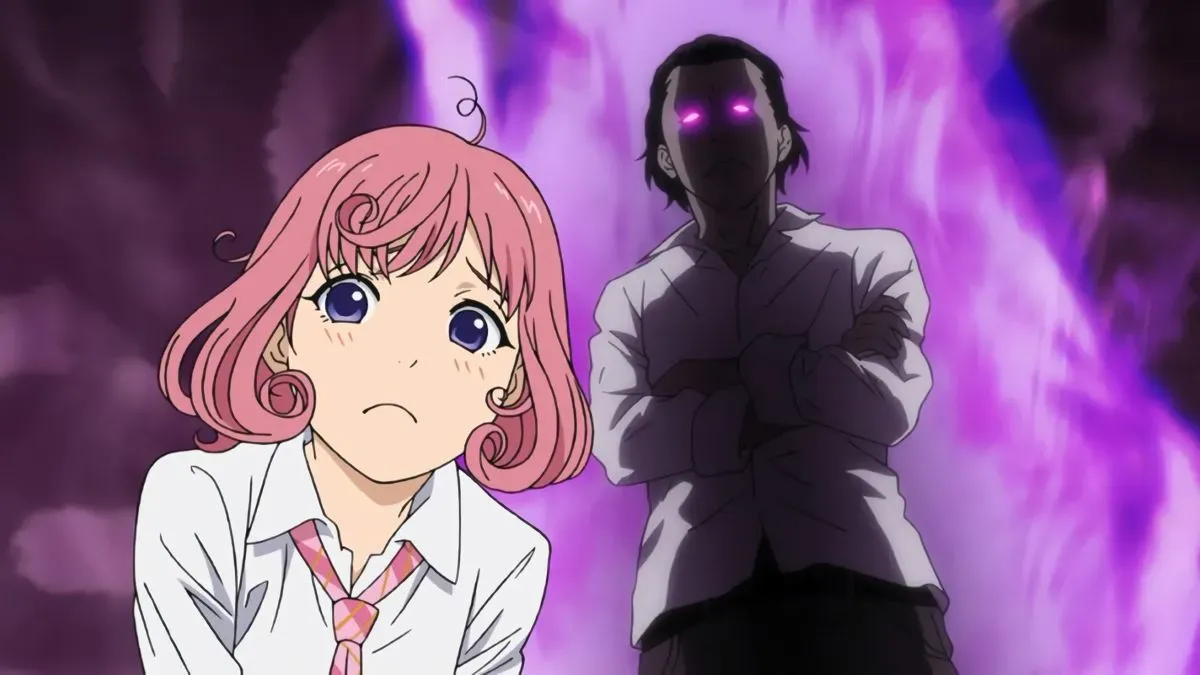
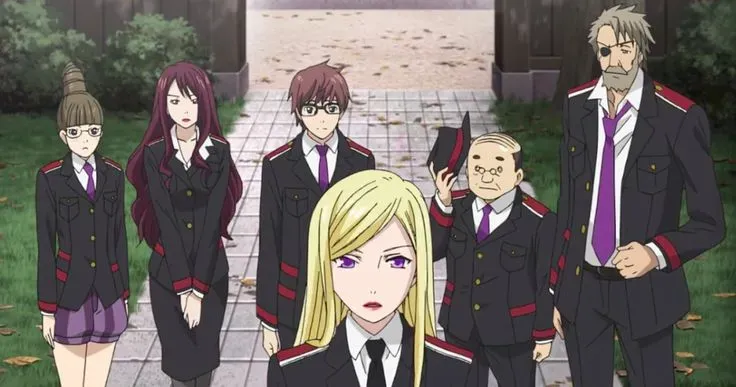
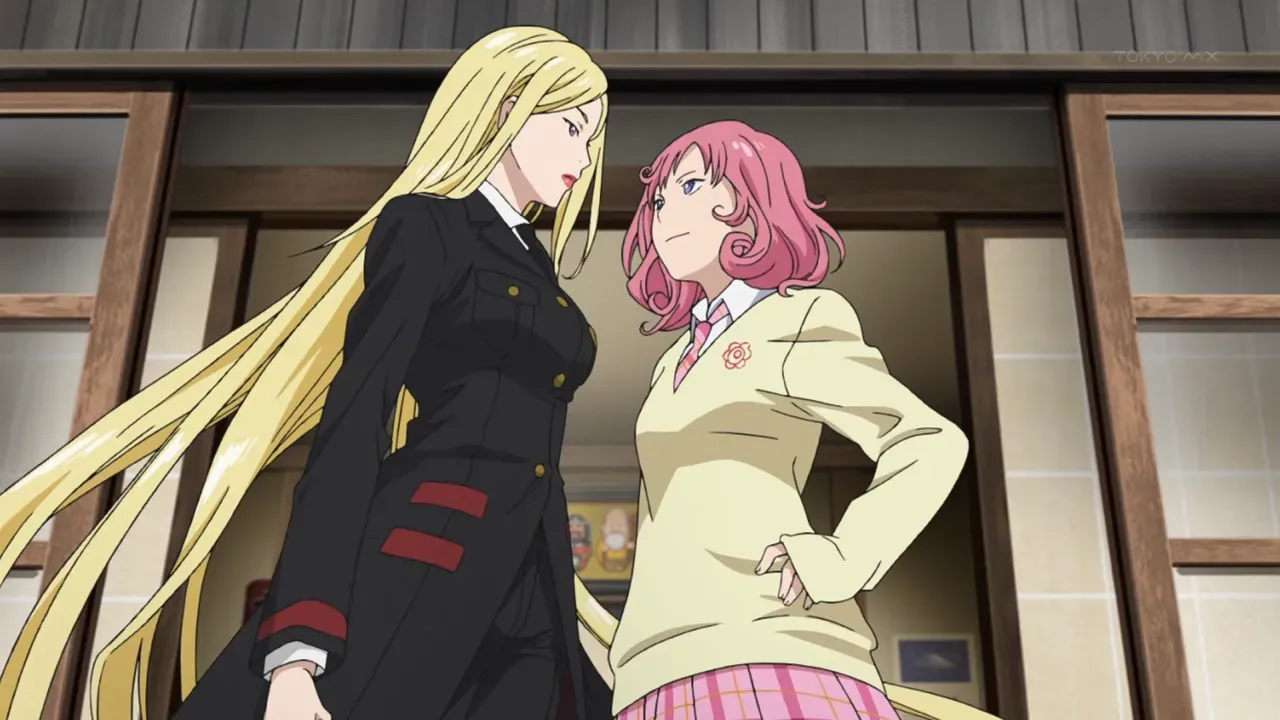
Supporting characters like Kofuku, Daikoku, Bishamon, and Kazuma add texture without feeling like pure fan-service. Even the more antagonistic figures (including Nora) get enough depth that you understand where they’re coming from, even if you don’t agree with them. Mayu and Ebisu also leave strong impressions in the roles they play.
Story & Pacing
Season 1 is tighter and more focused on establishing the world and the core relationships. It moves at a comfortable pace — action, comedy, and quieter character moments are balanced pretty well. There are a few episodes that lean a bit more “monster of the week,” but even those usually feed into bigger emotional payoffs involving Yato, Hiyori, and Yukine.
Season 2 (Aragoto) is where the show stretches its legs. The stakes get higher, the mythology deeper, and the conflicts more personal — especially around Bishamon and her relationship with Kazuma. Pacing is generally strong, though a couple of arcs feel slightly denser than others. The second season trusts the audience more and doesn’t rush the emotional beats, which I appreciated.
Overall the story never feels like it’s spinning its wheels. Even the lighter episodes usually have something meaningful happening under the surface.
Themes & Writing
Noragami is sneakily thoughtful. On one level it’s about a god who wants recognition, on another it’s about people (and spirits) who feel abandoned, worthless, or like they don’t belong anywhere. The idea of names, of being remembered, of choosing to stay connected even when it hurts — those themes keep circling back in satisfying ways through Yato, Yukine, and Nora especially.
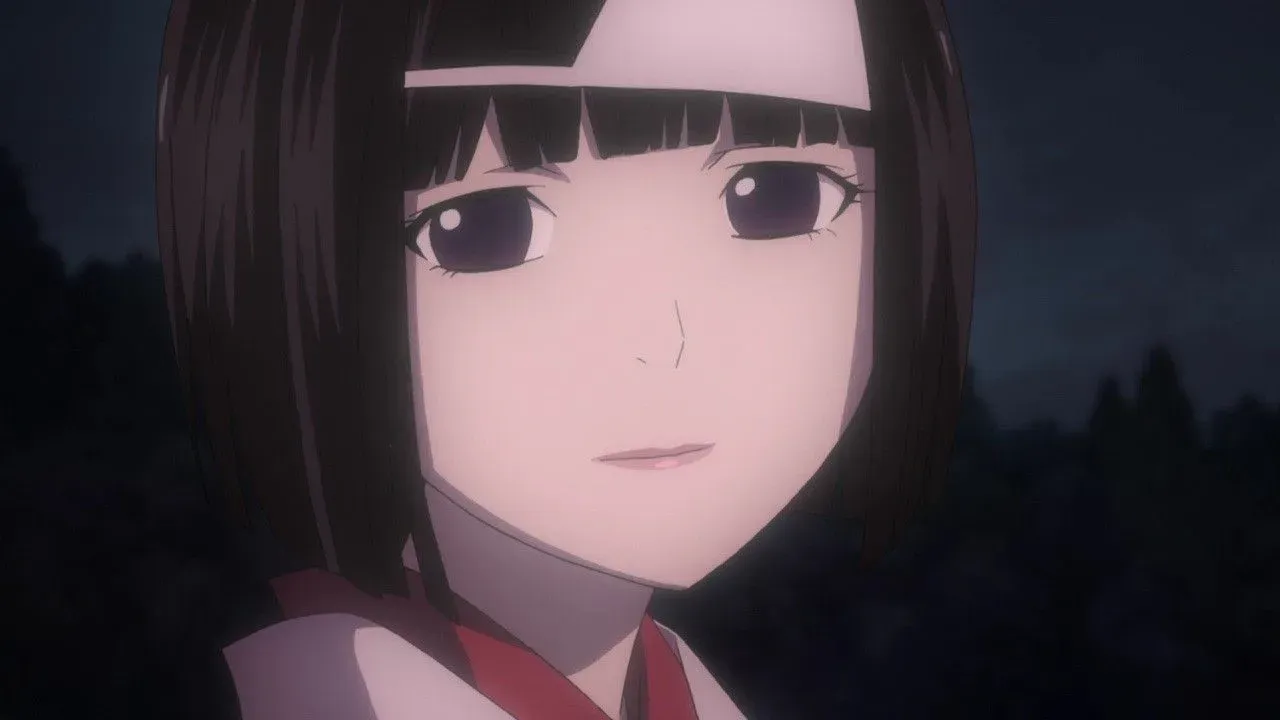
The writing does a good job of mixing humor with heavier material without one undercutting the other. Yato’s over-the-top personality makes the quieter, more painful moments hit harder when they arrive. The show also has a solid grasp of found family without getting overly saccharine about it.
It’s not the deepest philosophical anime ever made, but it treats its ideas with respect and consistency, which is more than a lot of similar shows manage.
Animation & Art
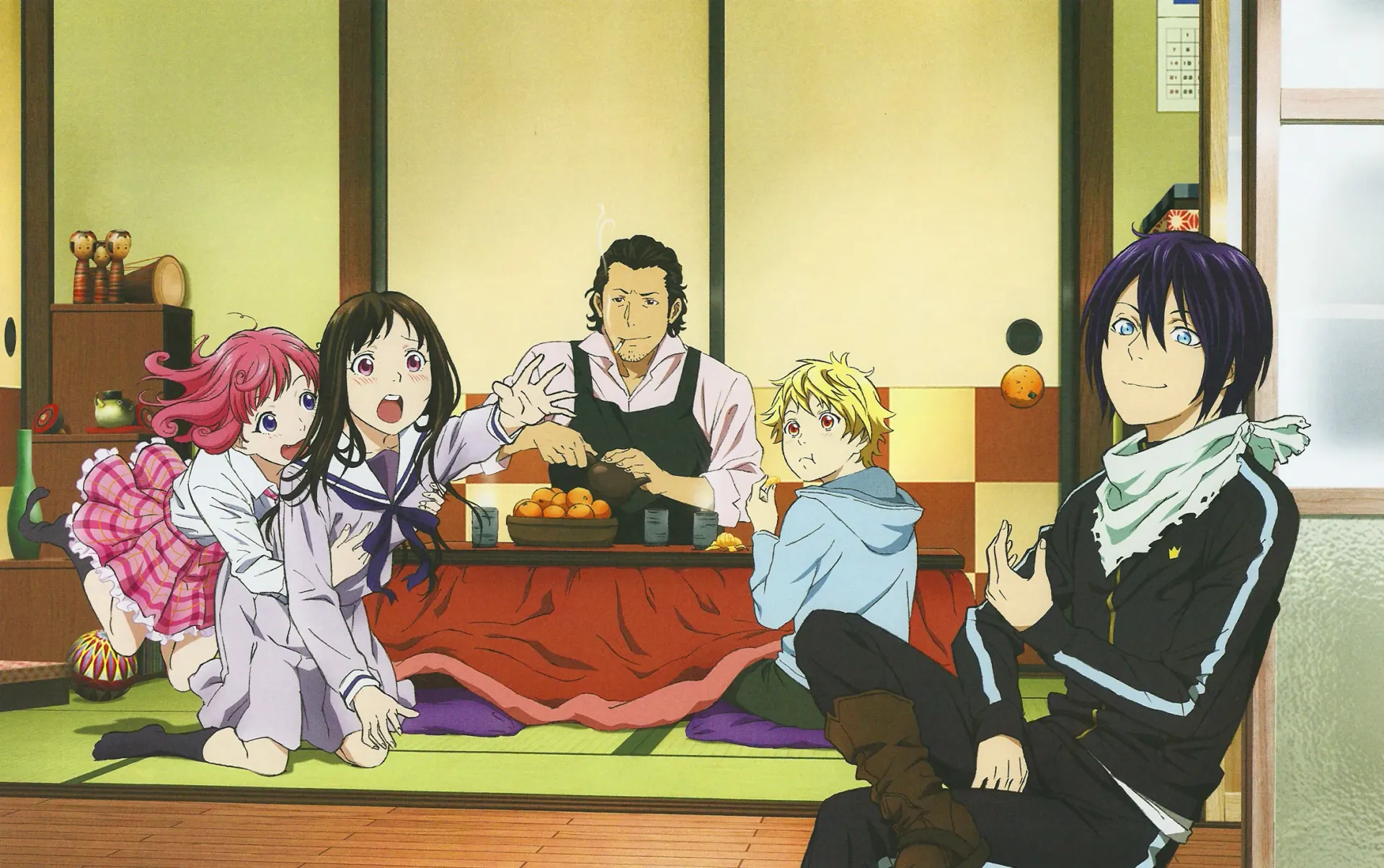
Studio Bones was cooking for sure. The character designs are clean and expressive — Yato’s constant shifting expressions alone are a treat. Action scenes have real weight and clarity, especially the bigger fights in season 2 involving Bishamon and her regalia. Backgrounds do a nice job distinguishing the Near Shore from the more ethereal Far Shore without going overboard.
There are a few moments of limited animation (pretty standard for the era and episode count), but the key sequences look sharp and the overall visual identity is strong. The phantom designs are especially cool — creepy without relying on pure gross-out.
Music & Sound Design
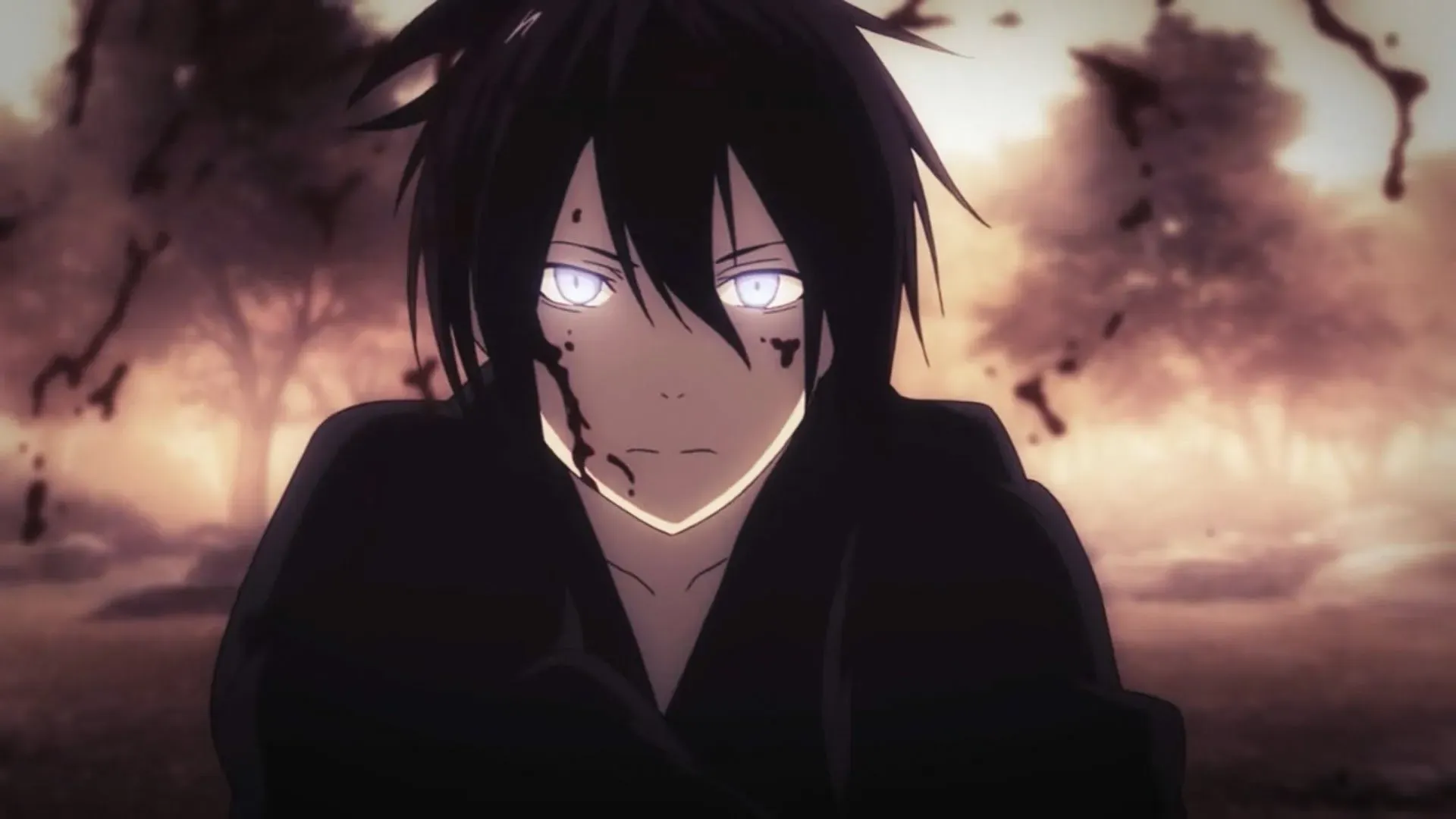
Taku Iwasaki’s soundtrack is a highlight. The tracks shift easily between playful, tense, and quietly emotional. The opening themes (“Goya no Machiawase” and “Kyōran Hey Kids!!”) are absolute bangers that match the energy of each season perfectly. The endings are more atmospheric and stick with you after the episode ends.
Sound design during fights and spiritual moments is solid — the weight of weapons, the eerie presence of phantoms, the quieter ambient stuff when characters like Hiyori and Yukine are just talking. Nothing revolutionary, but it all works together nicely.
What Worked / What Didn’t
What worked:
The core trio’s chemistry (Yato, Hiyori, and Yukine) is excellent. The balance of comedy and genuine emotion. The way the mythology feels lived-in without drowning you in exposition. Yato’s character writing in particular — he’s funny and layered. The second season’s willingness to go darker and more personal with Bishamon, Kazuma, and Nora.
What didn’t fully land:
A few side characters could have used a bit more screen time to fully justify their importance. Some of the god politics in season 2 get a little dense if you’re not paying close attention. And while the anime wraps its major arcs satisfyingly, knowing the manga continued (and eventually finished) leaves a slight “I want more” feeling. The OVAs are fun but not essential.
None of these are deal-breakers, though. They’re more like small rough edges on an otherwise very solid watch.
Who This Is For
This is perfect if you like supernatural stories with strong character focus, a mix of action and heart, and a protagonist who is equal parts ridiculous and compelling. Fans of shows like Blue Exorcist, Natsume’s Book of Friends, or Hell’s Paradise (for the mix of action and emotional undercurrents) will probably click with it.
If you need extremely tight plotting every single episode or prefer pure slice-of-life with almost no stakes, it might not be your thing. Also, while it’s not overly dark, there are some heavy emotional moments and violence, so keep that in mind if you’re looking for pure comfort anime.
About the Authors of the Series
Noragami was written and illustrated by the manga artist duo Adachitoka (Adachi and Tokashiki) and serialized in Kodansha’s Monthly Shōnen Magazine from December 2010 to January 2024. The series ran for over thirteen years and was collected into 27 tankōbon volumes, with the final volume released in February 2024. By the time of its conclusion, Noragami had surpassed 8 million copies in circulation worldwide. In English, Kodansha USA published the complete series between 2014 and 2024.
Final Verdict + Score
Noragami is one of those shows that feels bigger than the sum of its parts. It’s stylish, funny, surprisingly moving, and anchored by a cast you actually want to spend time with. Season 1 is a strong introduction and season 2 elevates everything.
Final score: 8.5/10
Highly recommended. Watch both seasons. You’ll be glad you did.
Closing

There’s something special about a story that can make you care this much about a god who still can’t pay rent. Noragami has that easy, lived-in charm that makes rewatches feel like hanging out with old friends — chaotic ones who occasionally fight demons, but still.
If you’ve seen it, I’d love to know which character won you over first — Yato, Yukine, Hiyori, or maybe even Bishamon. And if you haven’t… well, five yen is a pretty low barrier to entry.
Couch talk
Quiet on this thread so far — say something (we mod before it goes live).