Monster : A Masterpiece That Refuses to Look Away
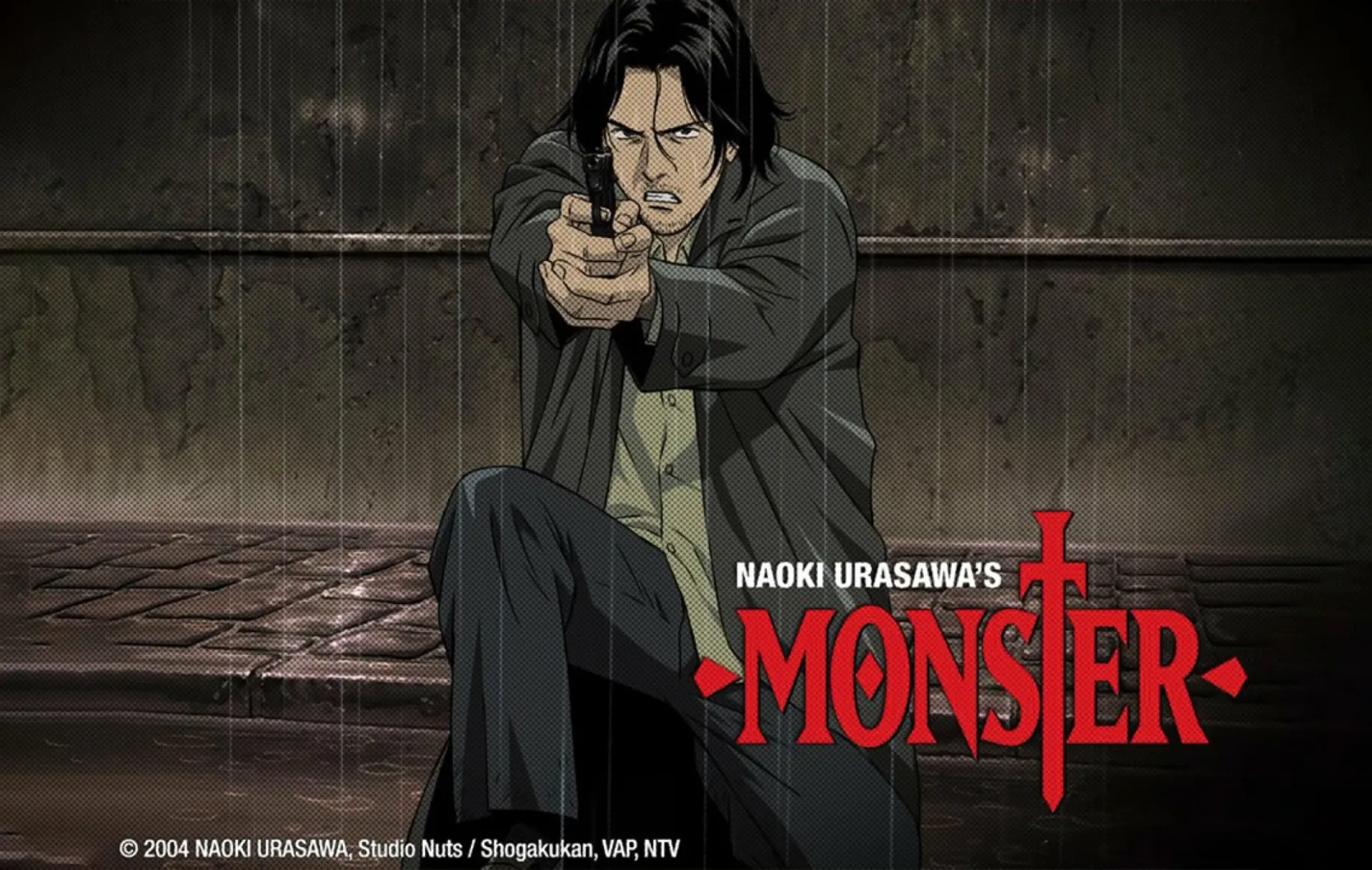
Some stories entertain.
A rarer few settle into the mind and refuse to leave.
Naoki Urasawa’s Monster belongs firmly in the second category. It is not a thriller that races from set piece to set piece. It is a slow, deliberate examination of what happens when one act of mercy collides with something that should never have been saved. Watching it feels less like following a plot and more like being pulled, step by careful step, into a moral labyrinth with no clean exits.
The series opens with a decision that should have been straightforward.
Young neurosurgeon Kenzo Tenma is ordered to abandon a dying child so that a politically connected patient can take the operating table. Tenma refuses. He saves the boy, Johan Liebert, and in the same night tends to the boy’s twin sister, Anna. That single choice becomes the quiet origin of everything that follows.
The brilliance of Monster lies in how patiently it lets the consequences unfold. There is no immediate explosion of violence. Instead, years pass. Tenma’s career soars. He becomes engaged to Eva Heinemann, the hospital director’s polished and ambitious daughter. Eva loves the version of Tenma who is rising, the man whose future seems secure. When that future collapses after he again prioritizes a child’s life over influence, she ends the engagement with surgical coldness. Her departure is not framed as simple villainy. It is the first clear signal that the story will judge its characters by the values they actually live by, not the ones they claim.
Only later does the true cost of Tenma’s mercy begin to surface.
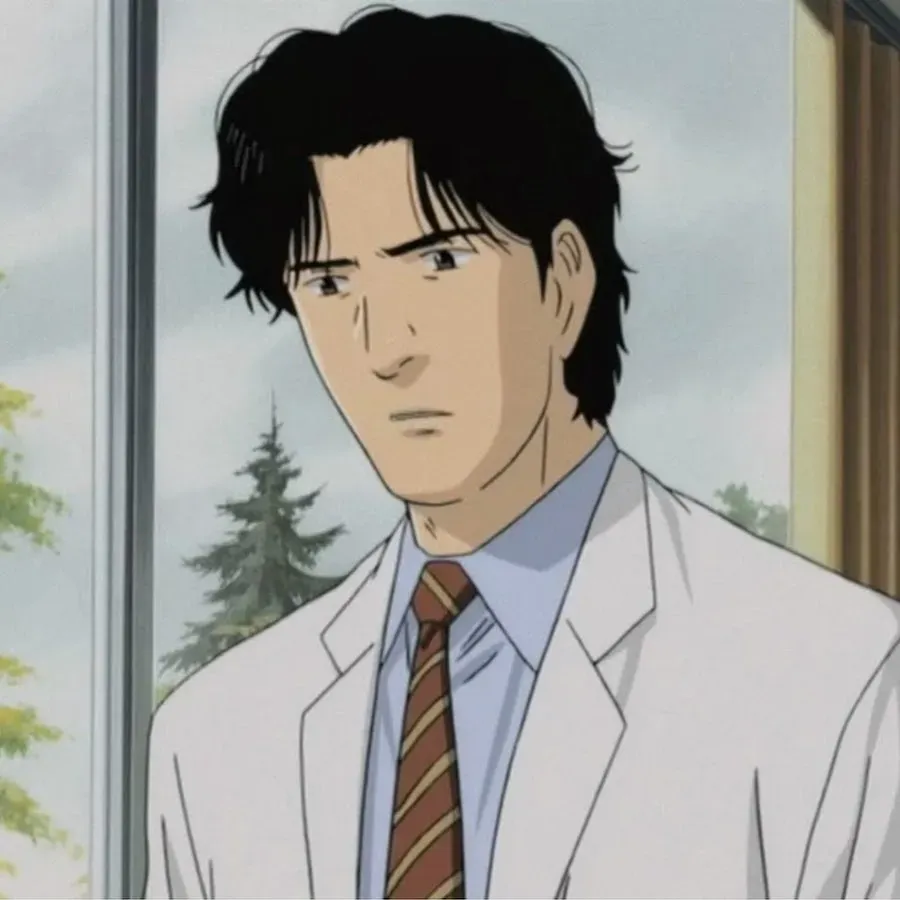
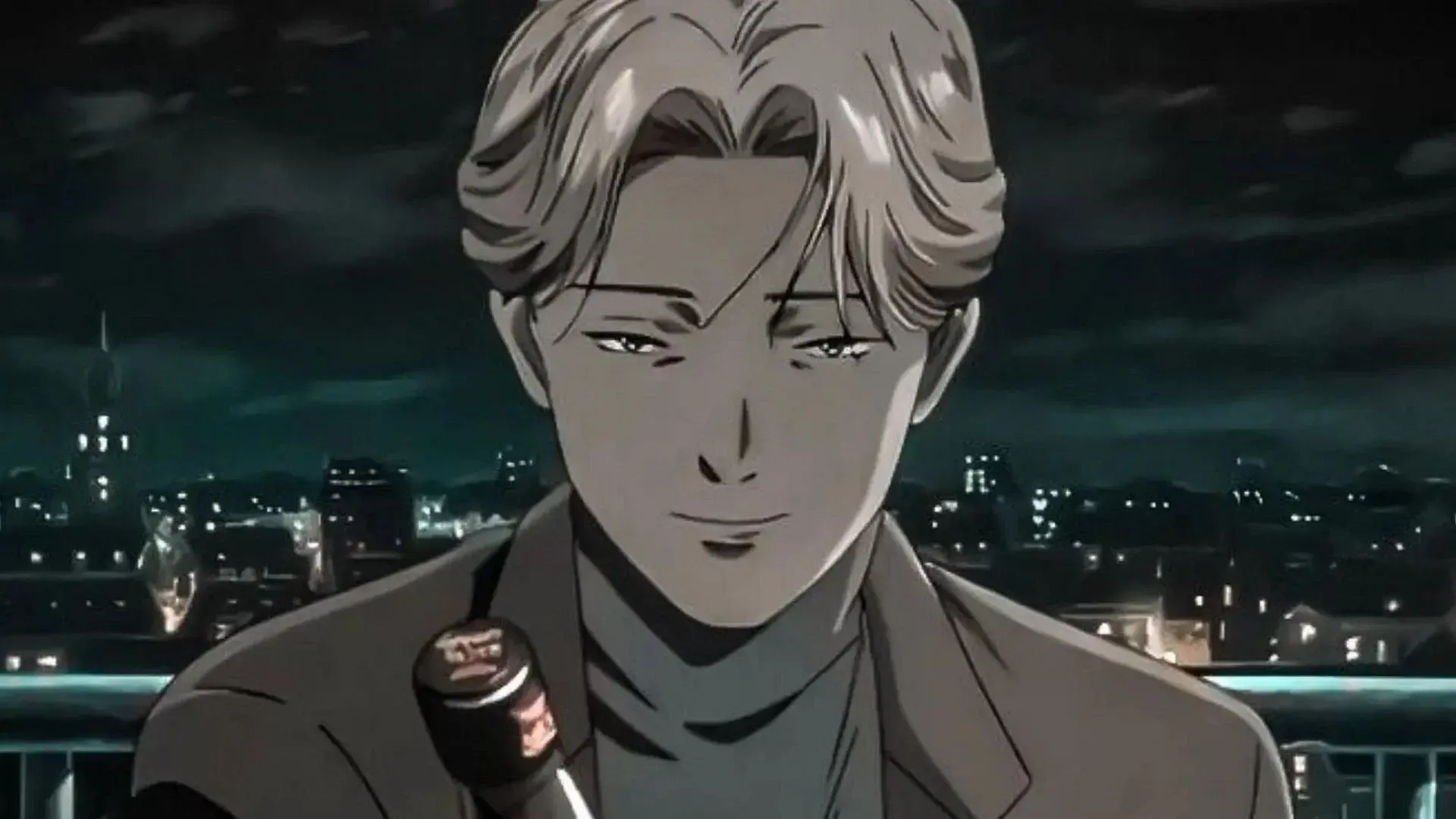
A string of murders, each more unsettling than the last, draws him back into the open. At the center of the pattern is the same soft-spoken young man he once operated on. Johan has grown into something that does not need to raise a weapon to destroy lives. People simply unravel after speaking with him. Tenma resigns and begins a solitary pursuit, driven by a responsibility he can neither abandon nor fully understand. The series never rushes this hunt. It lets the dread accumulate through silence, through ordinary conversations that somehow feel wrong, through the growing certainty that the man Tenma saved has become a void that others fall into.
It is during this long pursuit that Anna returns.
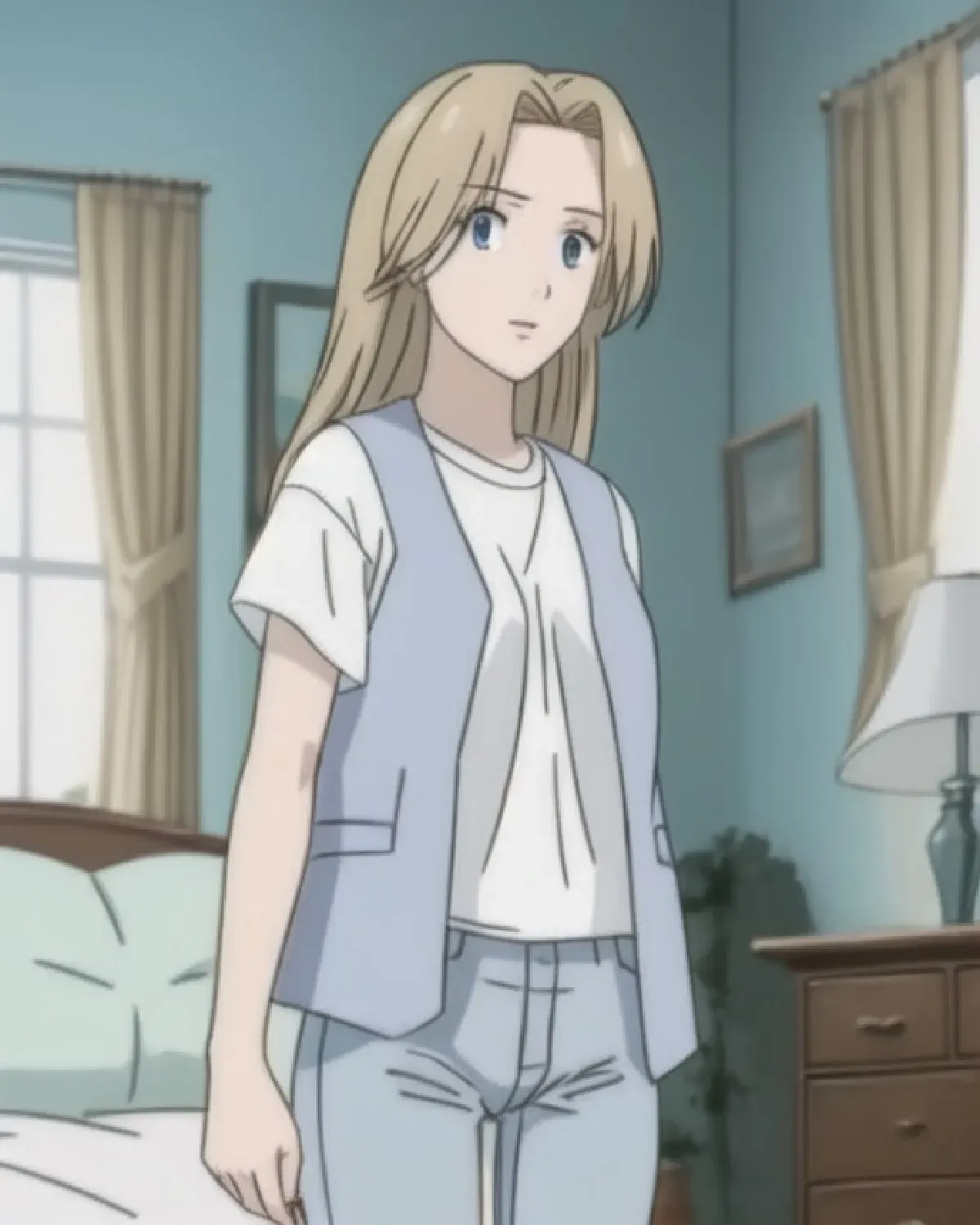
Though she no longer uses that name. Living as Nina Fortner, she has constructed a careful, ordinary existence, her earliest memories locked behind trauma. The past does not stay locked. Fragments return: a mansion, a gun, her brother’s calm request that she finish what others started. Nina’s struggle is handled with remarkable restraint. She is never reduced to a victim or a symbol. She is a young woman fighting to hold onto a self that was nearly erased, forced to confront both the brother who still haunts her and the version of herself that once pointed a weapon at him. Her reconnection with Tenma gives the story its emotional center. Together they form an uneasy alliance of people who each believe they carry the original sin of Johan’s survival.
As the investigation widens, another figure steps into the frame.
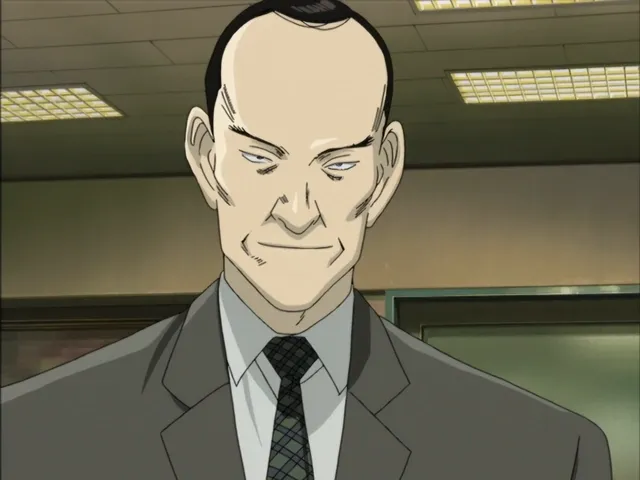
Inspector Heinrich Lunge enters with the chilling precision of a man who has trained himself not to feel. Lunge does not simply collect evidence. He absorbs it, reconstructing every detail inside a mind that has discarded warmth in favor of perfect recall. From the beginning he is convinced Tenma is the killer. The pattern fits too cleanly. Yet the longer he follows the trail, the more the pattern resists logic. Johan’s influence creates variables that pure reason cannot process. Watching Lunge’s certainty slowly fracture is one of the series’ quiet triumphs. His arc never becomes a sudden conversion to empathy. It is a gradual, almost reluctant admission that some human darkness cannot be reduced to data.
Deeper into the journey, the story pulls back the curtain on the place that made monsters possible.
511 Kinderheim.
A cold, experimental orphanage buried in East Germany’s shadow, where children were not raised but systematically broken. Names were erased. Empathy was treated as a defect. The goal was never care. It was the creation of perfect, empty vessels—human beings stripped of identity until they could become anything, or nothing. Johan and Anna were shaped inside those walls. So was the cheerful man who later walks beside Tenma.
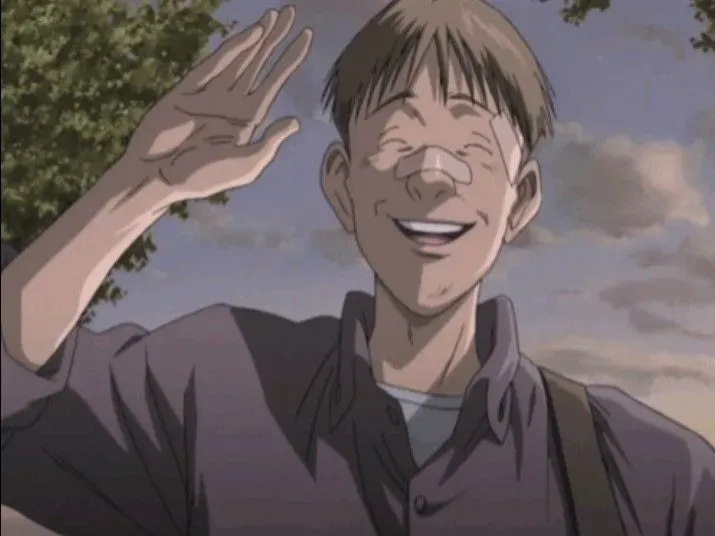
Wolfgang Grimmer first appears as a freelance reporter with an easy smile and an almost childlike curiosity about people. The smile is a performance. Grimmer is another product of 511 Kinderheim, left with a wound different from Johan’s pure emptiness: the inability to experience ordinary emotion. He invents a fictional family so convincing that even he sometimes half-believes it exists. When pushed too far, another self surfaces—the “Another Monster”—a dissociated force that acts without mercy or memory.
The Kinderheim sequences are among the most disturbing in the entire series, not because of graphic violence, but because of their clinical calm. Adults speak of children as raw material. Experiments are discussed like weather. The horror is bureaucratic. And it is this institution, more than any single killer, that sits at the rotten heart of the story. Without 511, there is no Johan. Without 511, there is no Grimmer. Without 511, the question that haunts every major character—can a person hollowed out by design ever become whole again?—would never need to be asked.
Grimmer’s time alongside Tenma is among the most affecting stretches of the series, not because it offers easy answers, but because it refuses them. His presence deepens the central dread. If a child was never allowed to develop a self, can they reclaim one, or do they remain forever at the mercy of what was carved into them?
By the time these lives fully intersect, Eva has also returned.
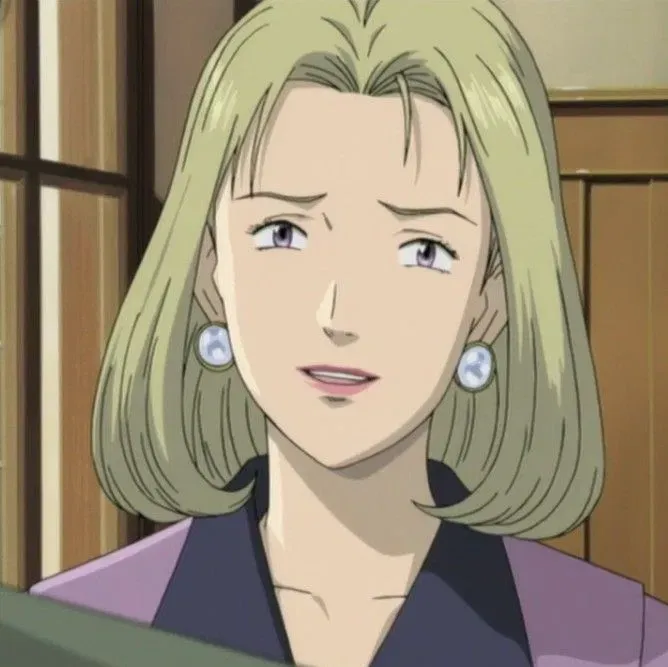
Stripped of the influence she once took for granted, her later encounters with Tenma are uncomfortable and deeply human. There is no sweeping redemption, only the recognition that both have been changed by the same catastrophe in ways neither can undo. The series never asks the audience to forgive her earlier coldness. It simply shows the cost of the values she once lived by.
What elevates Monster above most psychological thrillers is its refusal to treat any of these characters as disposable. Every major figure is given the dignity of complexity, the space to fail, and the chance—however slim—to choose differently. The pacing is deliberate to the point of severity. Long stretches pass with little overt action, yet the tension never truly relaxes. The animation, produced by Madhouse, matches this tone with clinical restraint: muted colors, careful framing, and silences that feel heavier than any score.
The result is a story that does not entertain in the conventional sense.
It unsettles.
It lingers.
It forces the viewer to sit with the possibility that some lives, once saved, cast shadows no amount of good intention can erase.
More than two decades later, Monster remains one of the most rigorous and uncompromising works in the medium. It does not offer catharsis. It offers clarity—the kind that is difficult to look at and even harder to forget.
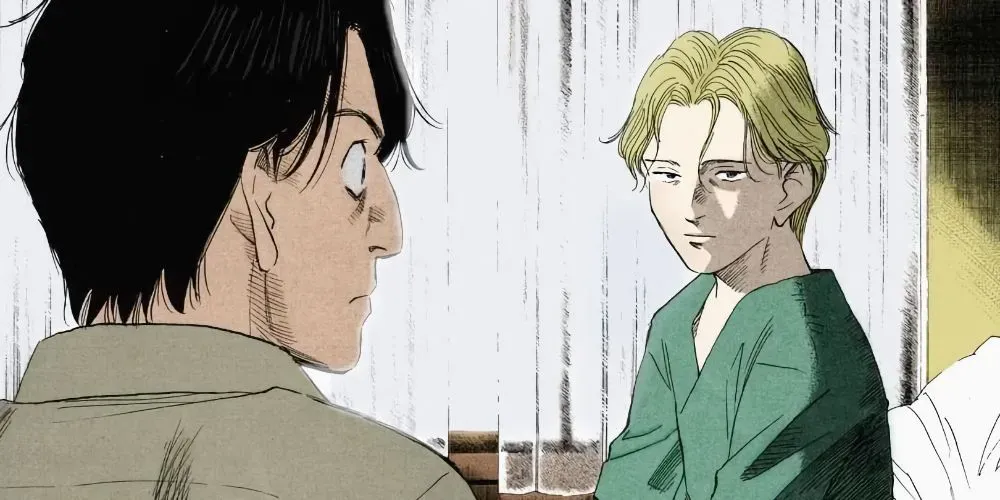
For those who finish Monster and find themselves hungry for more of Urasawa’s particular brand of dread and humanity, there is a clear path forward. 20th Century Boys expands his talent for long-form conspiracy and generational trauma into an epic about friendship, cults, and the stories people tell themselves to survive. Pluto, his reimagining of a classic Astro Boy arc, brings the same moral weight to a world of advanced robots and the question of what it means to be human. Billy Bat dives even deeper into metafiction, prophecy, and the dangerous power of narrative itself. Each work carries the same careful pacing, the same refusal to look away from darkness, and the same quiet belief that even broken people still matter.
Monster is the sharpest blade in that collection. Once it cuts, the mark stays.
Couch talk
Quiet on this thread so far — say something (we mod before it goes live).