Hajime no Ippo an Ainme Review
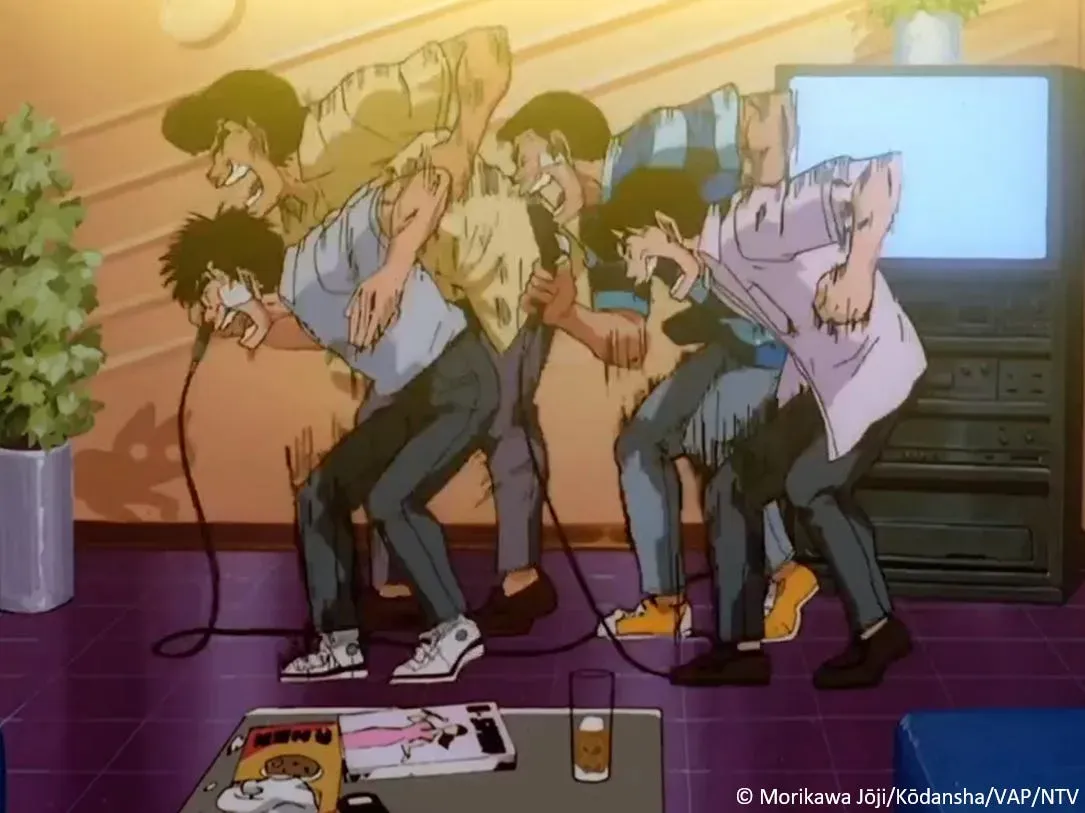
Studio: Madhouse (Seasons 1–2), Madhouse & MAPPA (Season 3)
Episodes / Season: Season 1 – 76 episodes (2000–2002) + TV special & OVA; New Challenger – 26 episodes (2009); Rising – 25 episodes (2013–2014)
Genre: Sports, Boxing, Comedy, Drama
Air date / Status: October 2000 – March 2014 (anime incomplete; manga ongoing)
My Score: 9/10
Introduction
Almost all anime have in common is the hunger of the main character's to achieve something great and although Hajime no Ippo is no different from any other shounen anime at cover but it really changes how you look at efforts itself and makes you appreciate the pain and hardships one go through to achieve them.
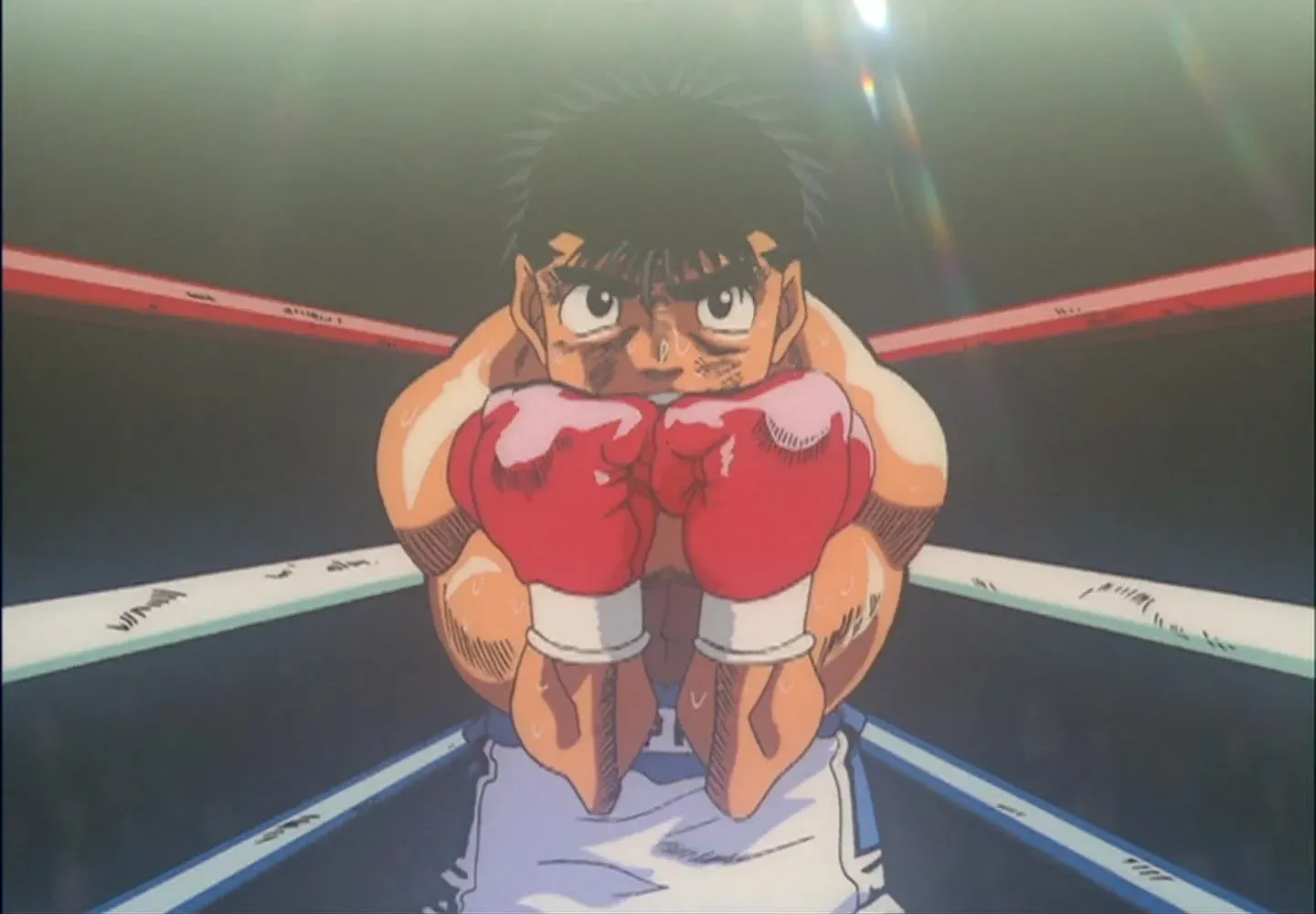
What begins as the story of a shy high-school boy who helps his mother run a small fishing-boat business becomes one of the purest celebrations of incremental growth ever animated. I went in expecting a solid sports series. I left with a renewed respect for the quiet power of showing up every day and throwing one more punch when everything hurts.
Mild spoiler warning: The following keeps major plot turns off the page, but if you prefer to experience every fight completely cold, consider watching first.
Spoiler-Free Synopsis
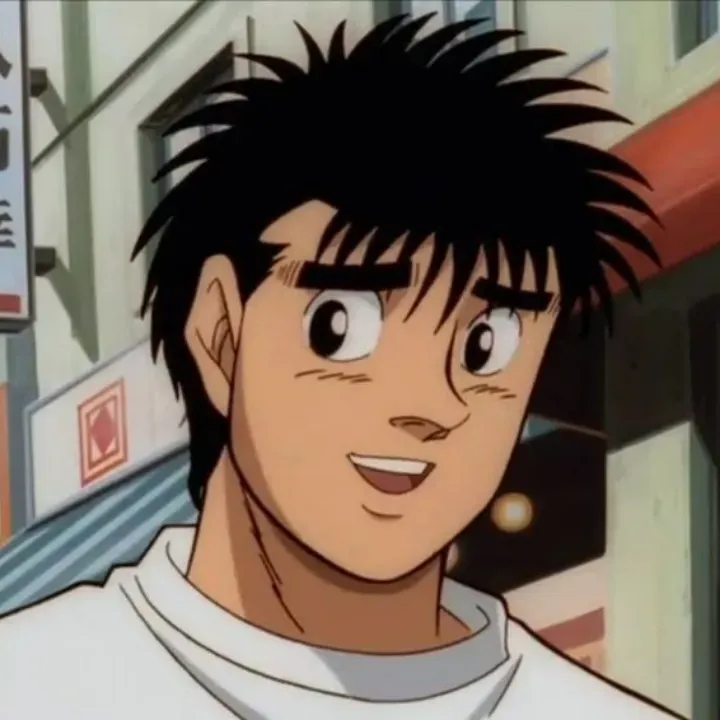
Ippo Makunouchi is an ordinary teenager—kind, soft-spoken, and frequently targeted by school bullies. One chance encounter with professional boxer Mamoru Takamura pulls him into the world of Boxing and a second home Kamogawa Boxing Gym. Under the stern guidance of veteran coach Genji Kamogawa, Ippo discovers both a natural talent for punching and a deep, almost spiritual love for the sport.
What follows is the long, deliberate climb of an underdog who refuses to stay down. Alongside colorful gym-mates and a sharp-eyed rival, Ippo steps into the ring again and again, learning that strength is less about natural gifts and more about the willingness to keep taking the next step.
Characters
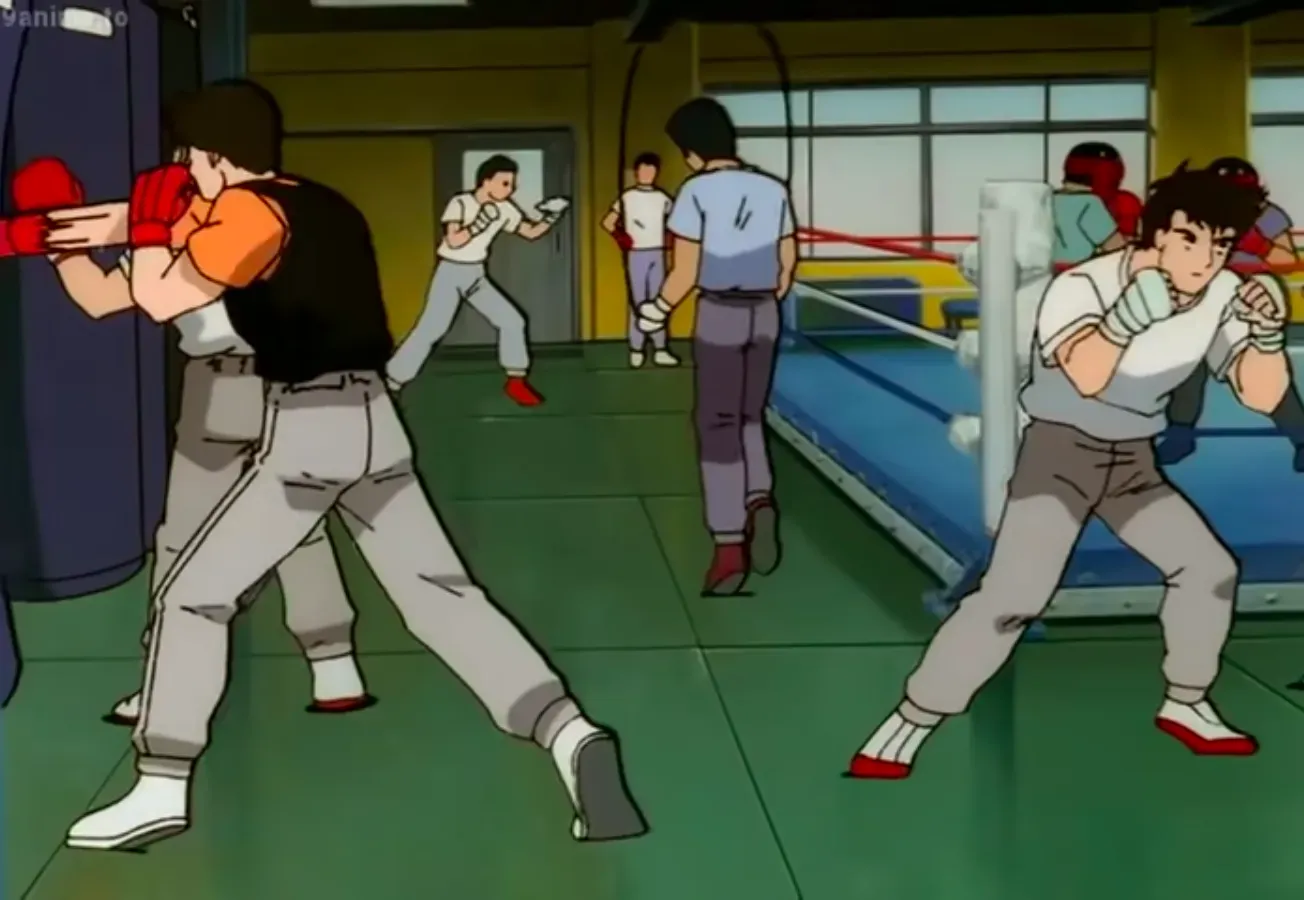
The series lives or dies by its people, and Hajime no Ippo builds a cast that feels lived-in rather than designed.
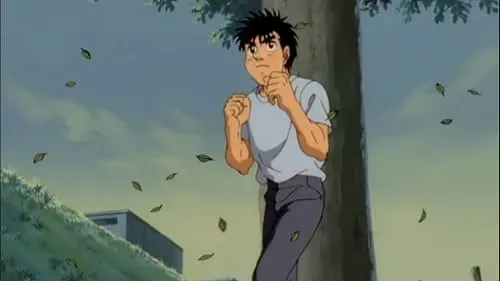
Ippo himself is the quiet center. His politeness never disappears, even as his fists grow heavier. Watching him slowly trade self-doubt for quiet resolve remains one of the most satisfying character arcs in sports anime. He never becomes a swaggering powerhouse, he simply becomes someone who can stand in the center of the ring without looking away.
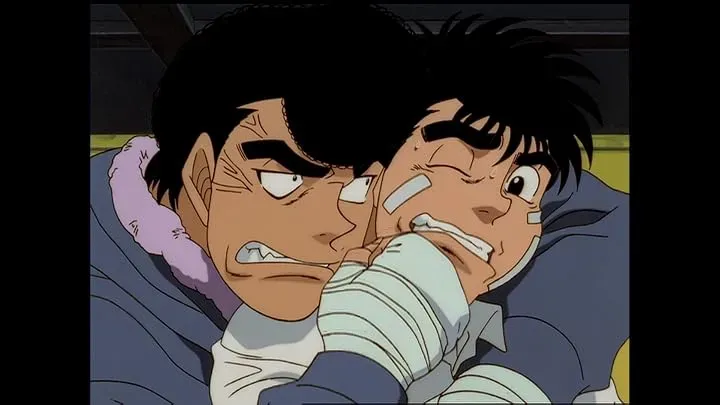
Mamoru Takamura provides the necessary chaos and comic gravity. He's loud, arrogant, and surprisingly loyal, he is both mentor and older brother figure to Ippo, the kind of person who will mock you while simultaneously refusing to let you quit. Coach Kamogawa is the gruff father the gym never quite admits it needs. His training methods are harsh, yet every barked instruction carries genuine care.
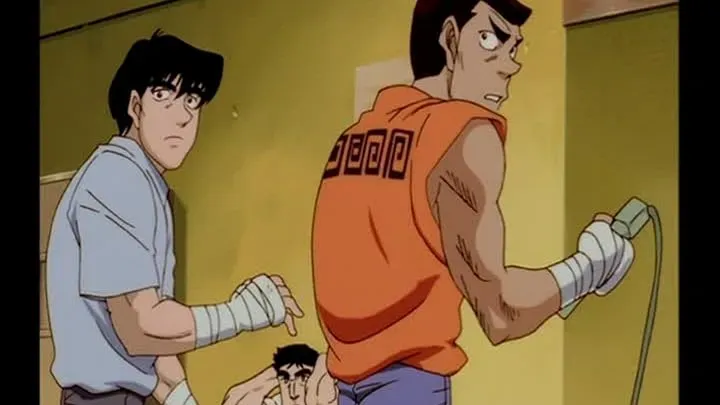
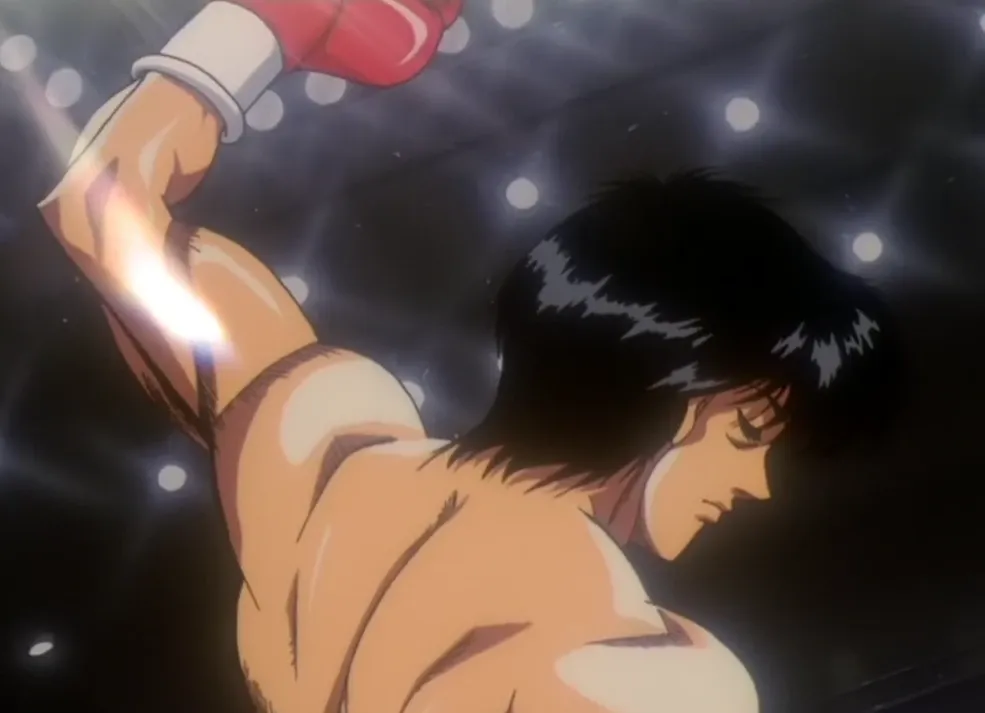
The supporting roster—Aoki, Kimura, and later arrivals—gives the gym a lived-in family texture. Even opponents are granted dignity and clear motivation. Few series treat the people standing across the ring with this much respect. Ichiro Miyata, the sharp-eyed rival, stands out especially for the quiet intensity he brings to every shared moment with Ippo.
Story & Pacing
Season 1 is the foundation and remains the strongest stretch. It moves deliberately, allowing training, friendship, and individual fights to breathe. The longer episode count works in its favor, growth feels earned because we see the early-morning runs, the failed spars, and the small adjustments that eventually add up.
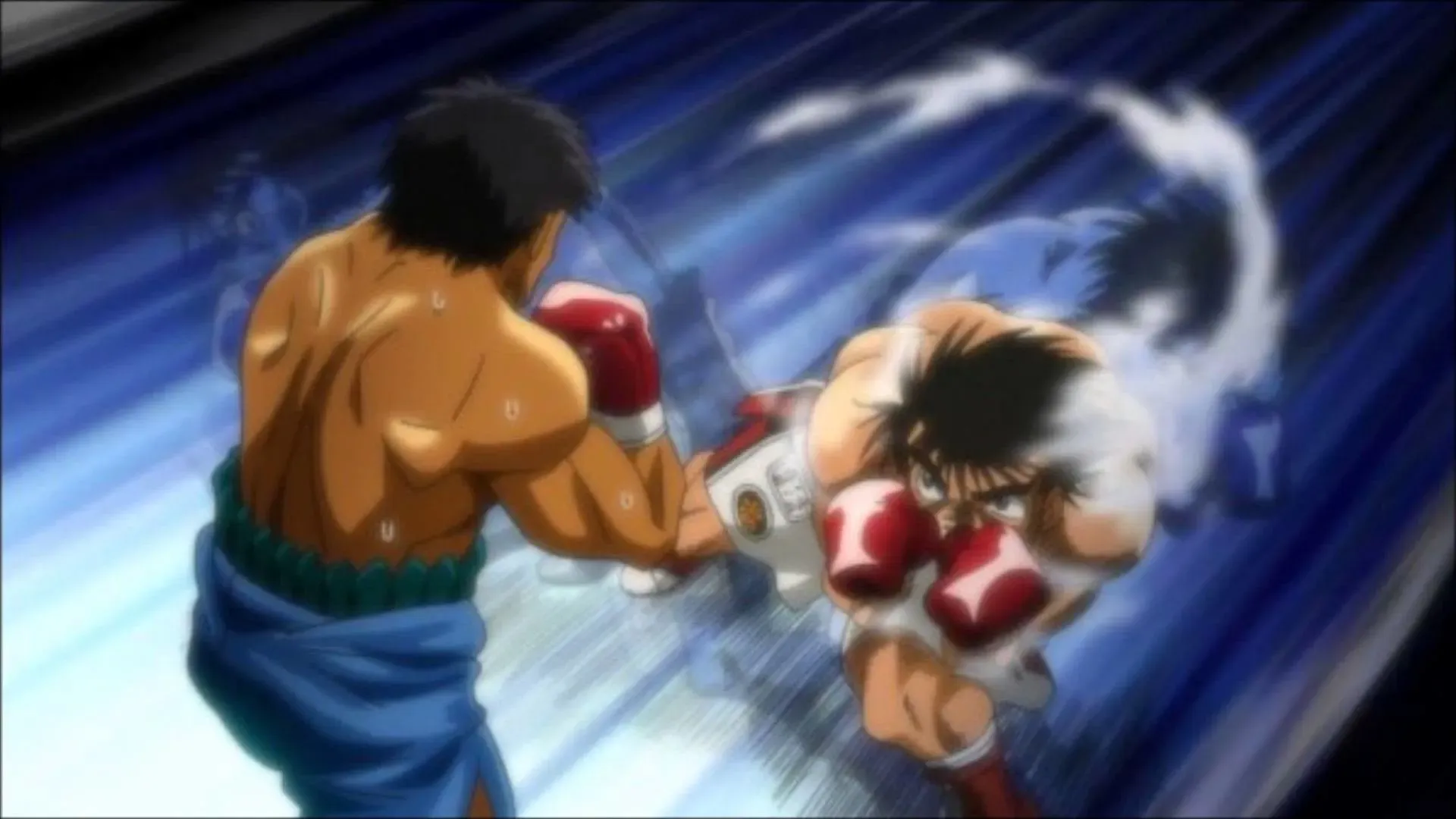
New Challenger and Rising continue the journey with higher stakes and tighter focus. The pacing remains confident, though the later seasons sometimes assume greater familiarity with the characters. The story never feels rushed, nor does it pad for the sake of episode count. Each major fight is treated as an event, complete with preparation, psychological pressure, and aftermath.
Themes & Writing
At its core, the series asks a simple question: what does it actually feel like to become strong? The answer is never flashy. Strength arrives through repetition, through humility, through the decision to stand up after being knocked down—literally and otherwise.
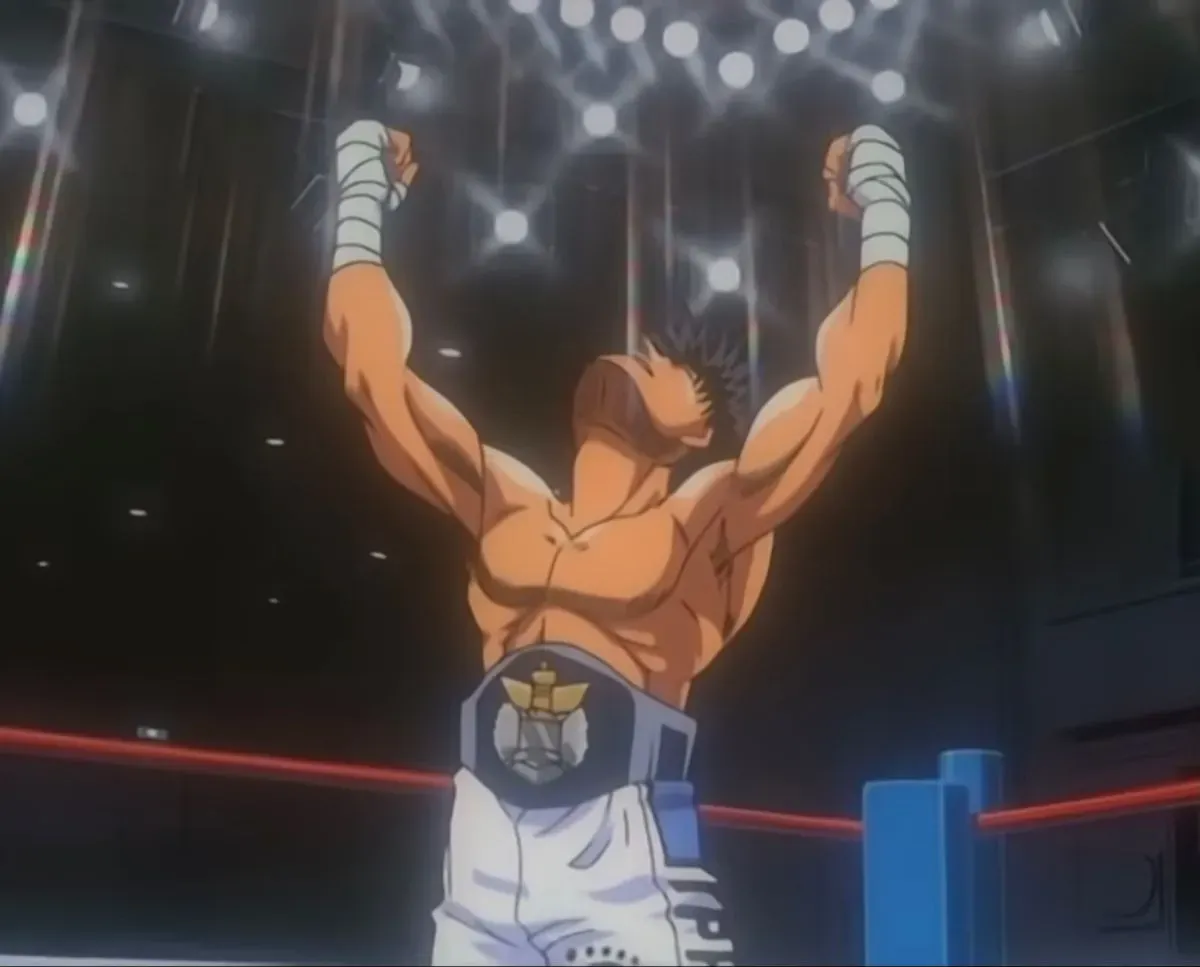
The writing balances humor and sincerity with unusual grace. Gym banter and Takamura’s outrageous antics sit comfortably beside quiet moments of self-reflection and genuine physical cost. Rivalries develop into mutual respect. Friendship is shown through shared sweat rather than speeches. The series understands that growth is rarely linear, and it honors that truth without becoming preachy.
Animation & Art
Madhouse’s work on the first two seasons remains impressive more than two decades later. Punch impacts carry weight. Footwork is readable. The camera frequently places the viewer inside the ring rather than outside it. Later episodes under MAPPA collaboration maintain that clarity while adding sharper modern polish.
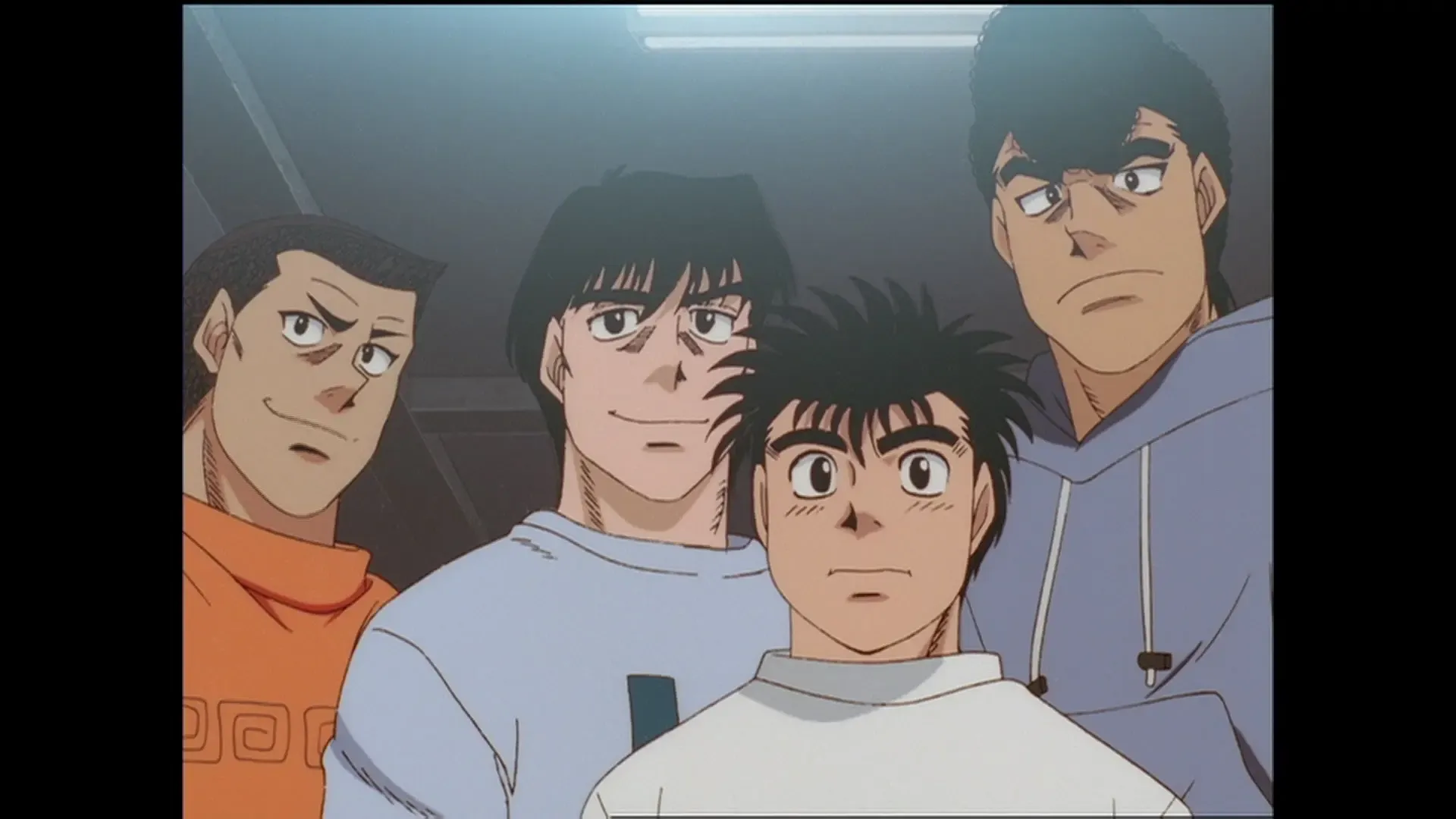
Character designs stay consistent and expressive. The art never prioritizes spectacle over legibility—an important quality when the drama lives in the space between two fighters’ fists.
Music & Sound Design
Tsuneo Imahori’s score for the early seasons is a quiet triumph. Guitar-driven tracks and tense percussion turn training montages into something almost meditative and fights into high-stakes theater. Openings such as “Under Star” and “Inner Light” still carry an earnest energy that matches the series’ heart. Later seasons shift composers but keep the sense of momentum intact. Sound design itself—leather on leather, the dull thud of a body meeting canvas—grounds the more stylized moments.
What Worked / What Didn’t
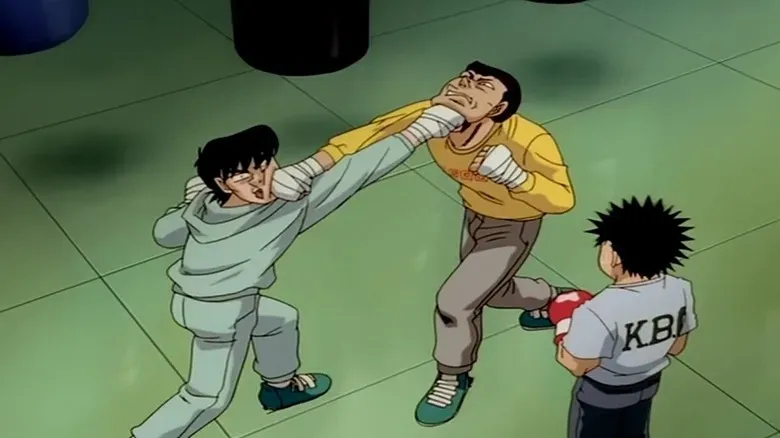
What works is almost everything that matters: the patient character work, the respect for boxing as both sport and discipline, the balance of humor and heart, and the consistent sense that every victory is paid for in advance.
What lands less cleanly is the sheer length of the first season for some viewers and the fact that the anime remains unfinished relative to the ongoing manga. A handful of mid-season stretches lean on familiar underdog rhythms, and certain comedy beats age unevenly. These are minor notes against a body of work that remains remarkably consistent in tone and intention.
Who This Is For
This is for anyone who enjoys sports stories that treat training as seriously as the matches themselves. It is ideal for viewers who appreciate gradual character growth, underdog narratives done with sincerity, and boxing presented with both technical care and emotional weight. Those looking for constant high-stakes power-scaling or rapid plot twists may find the deliberate pace less immediate. If you have ever felt the quiet satisfaction of improving at something difficult, you will likely feel at home here.
About the Original Manga & Author
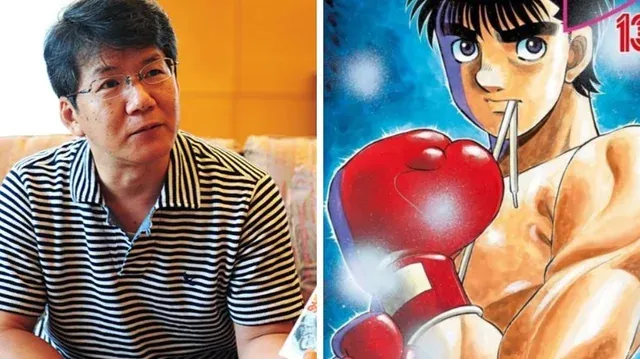
Hajime no Ippo is written and illustrated by George Morikawa (also rendered as Jōji or Joji Morikawa). After early shorter works such as Kazuya Now and Signal Blue, Morikawa launched the series in Weekly Shōnen Magazine in October 1989. It has continued ever since, reaching 145 tankōbon volumes by early 2026 and surpassing 100 million copies in circulation. The manga remains his primary creative focus. Official English digital chapters began appearing on Kodansha’s K Manga service in 2023, with a physical 3-in-1 omnibus edition scheduled to begin in fall 2027.
Final Verdict + Score
9/10
Hajime no Ippo is one of the finest sports anime ever made—patient, sincere, and deeply respectful of both its characters and its subject. It does not need constant escalation to remain compelling. It simply asks you to watch someone decide, again and again, to take the next step. That decision still resonates.
Highly recommended for anyone willing to spend the time. The first season alone is worth the investment; the later seasons reward those who stay.
Closing
You develop a deep connection with Ippo and all other characters and their journey in this anime. Hajime no Ippo really pulls every strings an ambitious person crave for and teach to work up on it until the very end. If you have already walked the road with Ippo, or if you are about to lace up for the first time, I would be glad to hear which fights stayed with you longest.
Couch talk
Quiet on this thread so far — say something (we mod before it goes live).