Grand Blue: Anime that marries Comedy and Humor permanently
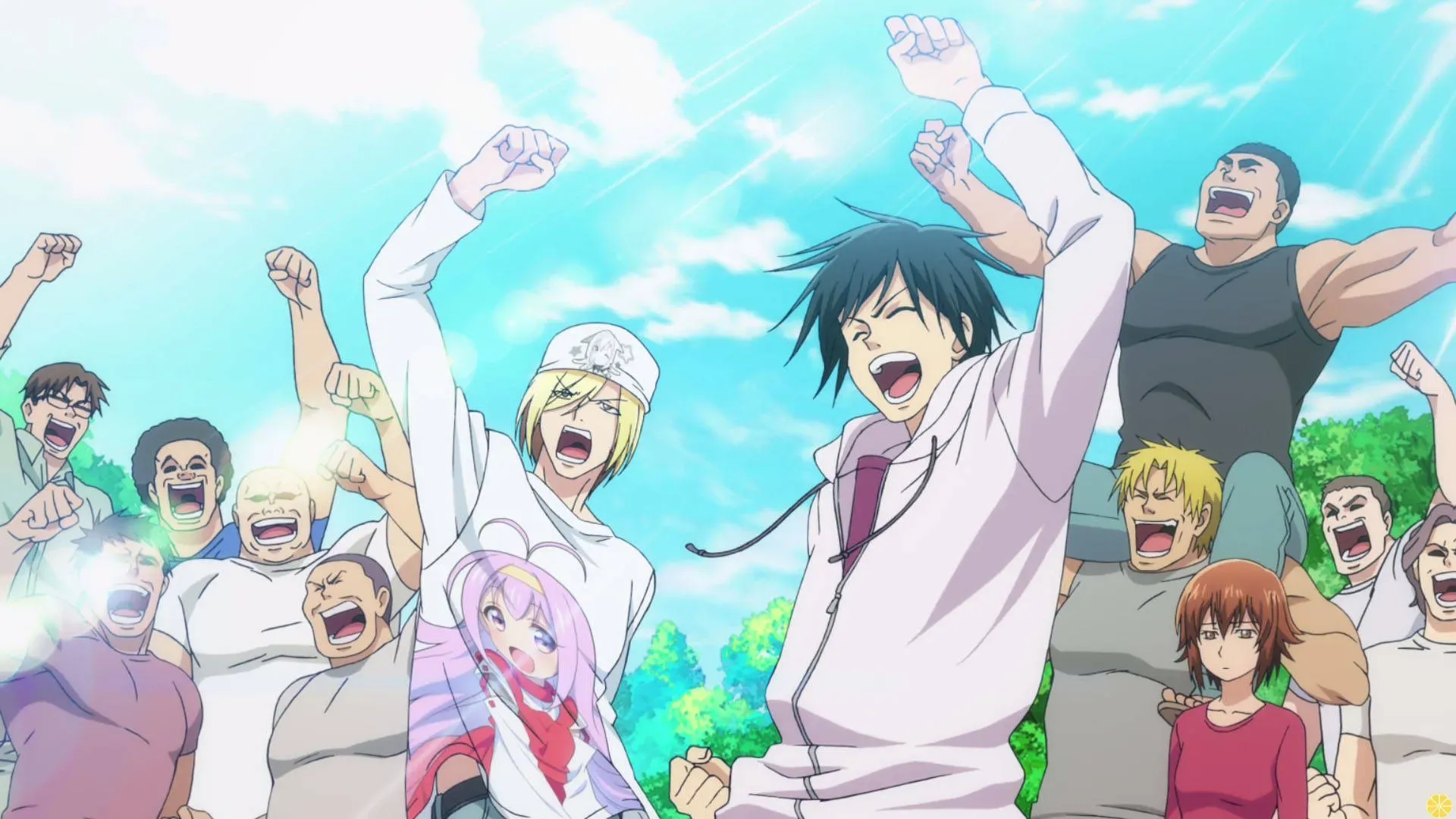
Iori Kitahara arrives in Izu expecting the usual shape of university life. He finds the shop Grand Blue instead—his uncle’s place, already filled with a diving club that treats every day as an opportunity for noise, competition, and over-the-top nonsense. The first encounters are chaotic. The club does not ease him in. It pulls him straight into the middle of it. What follows is less a story of careful adjustment than a steady stream of situations that refuse to stay small. The series sets its terms early: this will be a comedy that runs on energy and refuses to slow down for long.
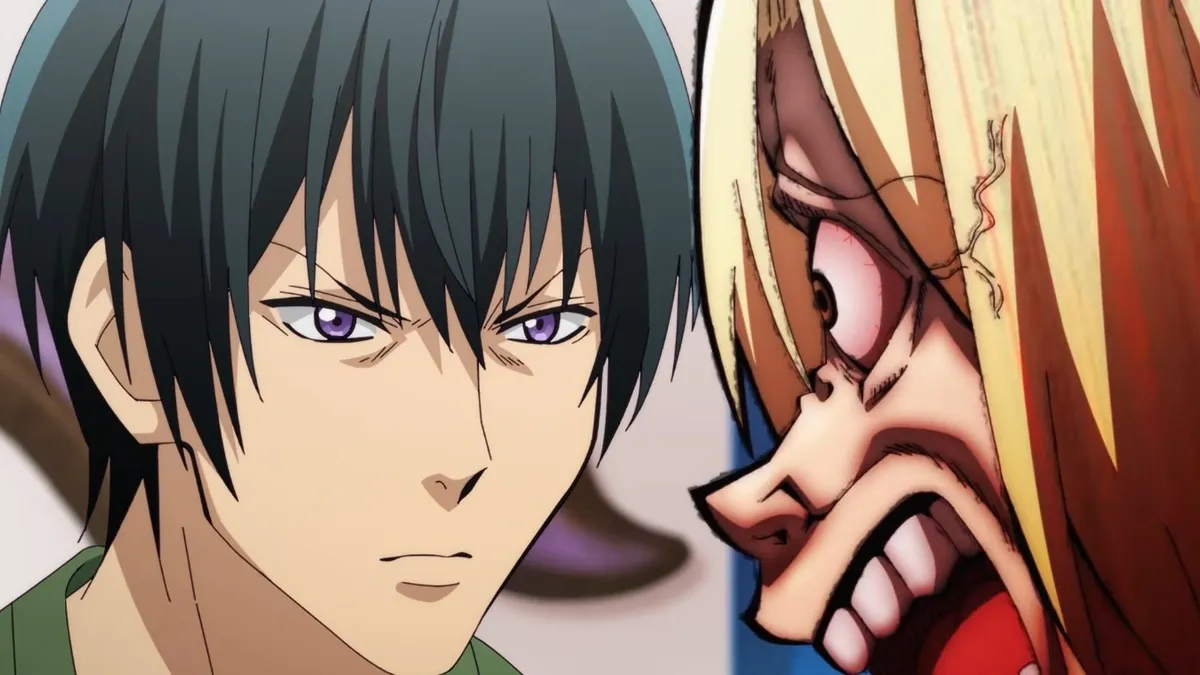
The humor comes from the constant back-and-forth between characters who bring very different kinds of chaos. Kohei Imamura enters as both rival and partner in disaster, an otaku whose dramatic reactions and strong opinions collide with Iori’s own attempts to stay composed. Their exchanges create a reliable rhythm of escalation and recovery that keeps the momentum high. The series understands that this kind of comedy works best when the audience can feel how fully the characters commit to each new idea, no matter how ridiculous it becomes.

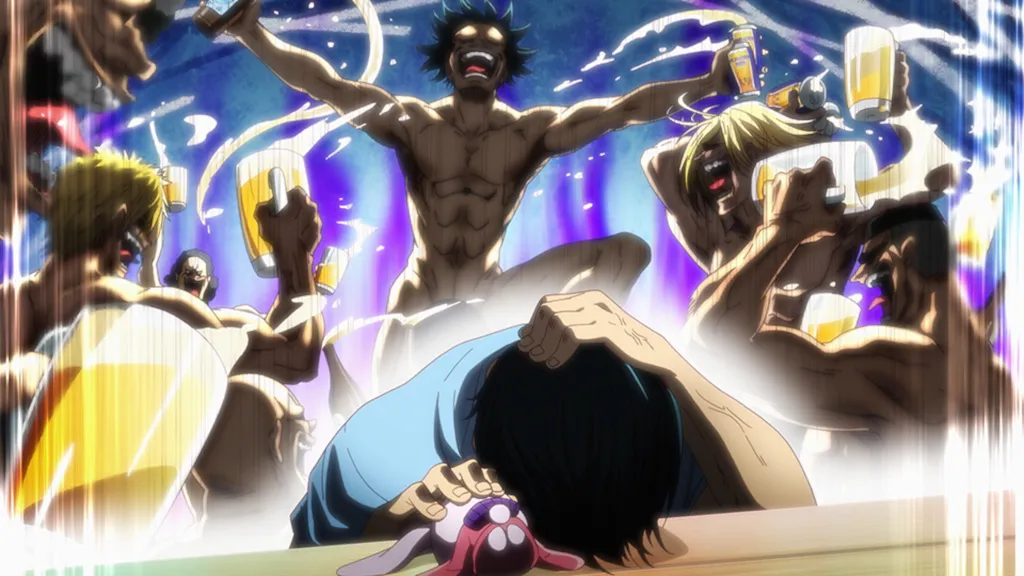
Around them the rest of the club settles into place through action rather than introduction. Chisa Kotegawa brings a calmer presence that makes the surrounding energy easier to enjoy. She does not try to stop the chaos. She simply exists alongside it, giving the louder moments a clearer shape. Nanaka watches with a quieter kind of amusement and occasionally joins in when the moment calls for it. The seniors of the club function as a single force of volume, physical comedy, and absolute willingness to push any situation further than it needs to go. The effect is not that the group feels artificial. The effect is that they have decided, together, that holding back is optional and that the fun will be shared.
The long interval between the first season and the second becomes part of the series’ own story. Seven years is long enough for an audience to wonder whether the particular chemistry of the original run could return with the same spark. When the second season finally arrived in 2025, the answer came through the same lively approach rather than through nostalgia alone. The characters still collided in ways that felt natural to them. The situations still grew larger than expected. Viewers who had waited found that the core sense of fun—driven by easy chemistry and a refusal to keep things small—had not faded. The gap tested the durability of the comedy, and the return confirmed it still worked.

The third season, now airing, carries the same spirit into new surroundings. The shift to Palau does not change the basic contract with the audience. It simply gives the same group more space and different scenery to play against. Early response has treated the new episodes as a continuation of the same lively energy rather than a reinvention. The series is still doing the specific kind of work it set out to do: letting a group of loud, unpredictable friends generate humor through constant interaction, over-the-top situations, and the simple fact that they clearly enjoy being around each other even when everything goes sideways.
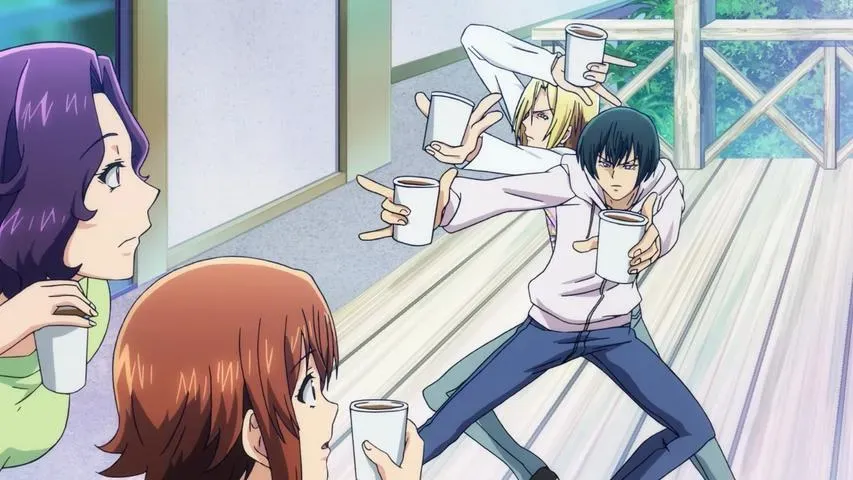
What keeps the humor feeling light is the underlying ease between the characters. The series does not need to stop and explain that they care about one another. It simply shows them continuing to create new disasters together and still choosing to stay in the same room. The diving sequences provide brief, quieter moments where the noise settles and the ocean becomes the focus, giving the audience a chance to breathe before the next round of chaos begins. Both the loud surface energy and the calmer underwater stretches help the comedy keep its balance.
Kenji Inoue’s earlier work, particularly Baka and Test, already showed a strong sense for comedy built from characters who take themselves seriously while the world around them refuses to cooperate. The collaboration with Kimitake Yoshioka on Grand Blue takes that approach into a more physical and sustained form. The same interest in people who cannot quite control the situations they create is present, only now the setting is a diving shop and the results are louder, wetter, and more consistently funny.

What stays with the viewer after the laughter settles is the sense of a group that has chosen to keep making noise together. The series never pretends this is a quiet or orderly way to spend university life. It only shows that it can be a very entertaining one. The water is still there. The club is still there. The fun continues.
Couch talk
Quiet on this thread so far — say something (we mod before it goes live).