Erased: A Life Reached Backward
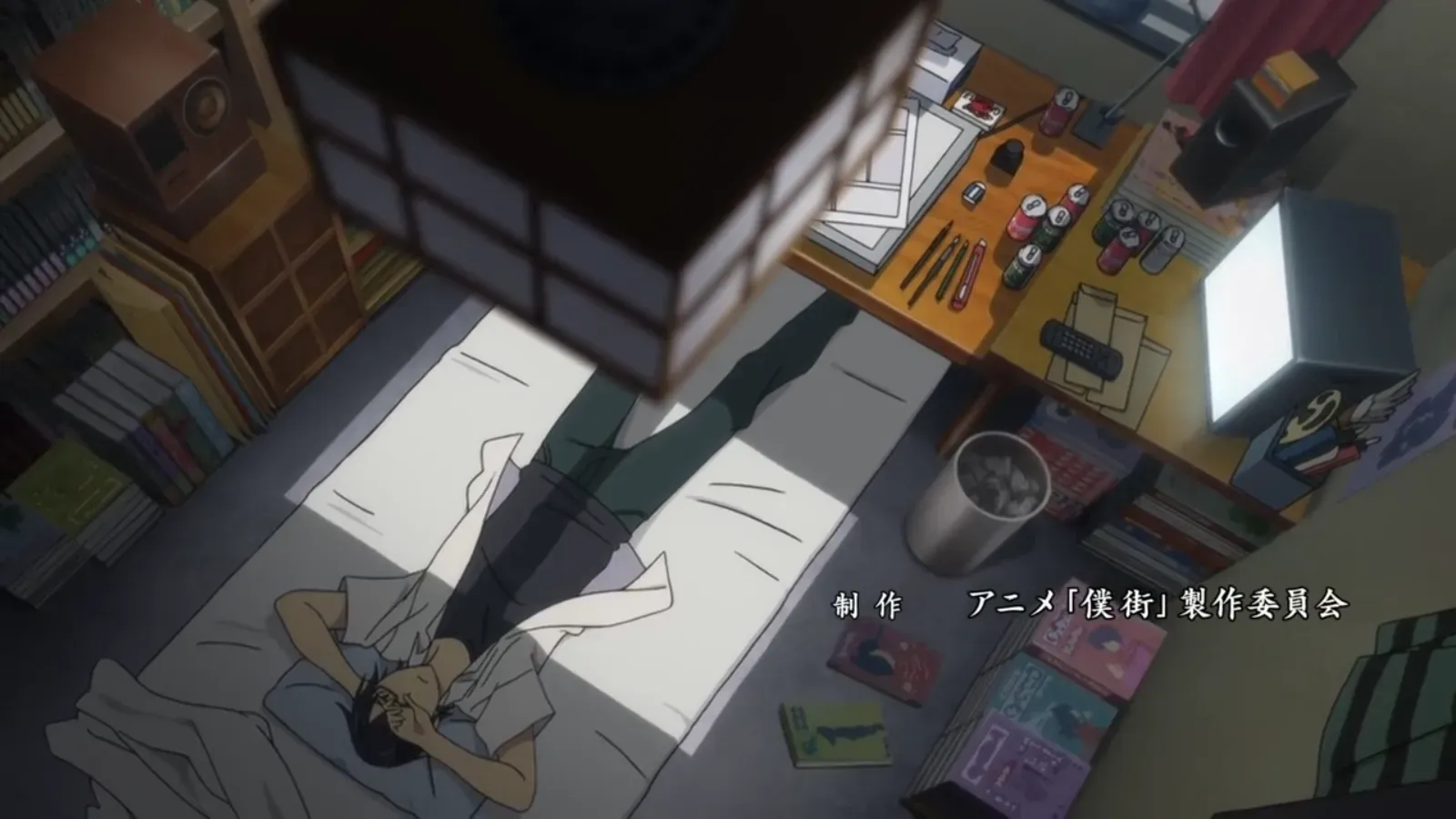
There is a particular kind of silence that settles over a life once the worst has already happened. It is not the silence of peace. It is the silence of aftermath — the quiet that remains after the moment when everything that could still be saved has already been lost. Erased begins inside that silence and then refuses to stay there.
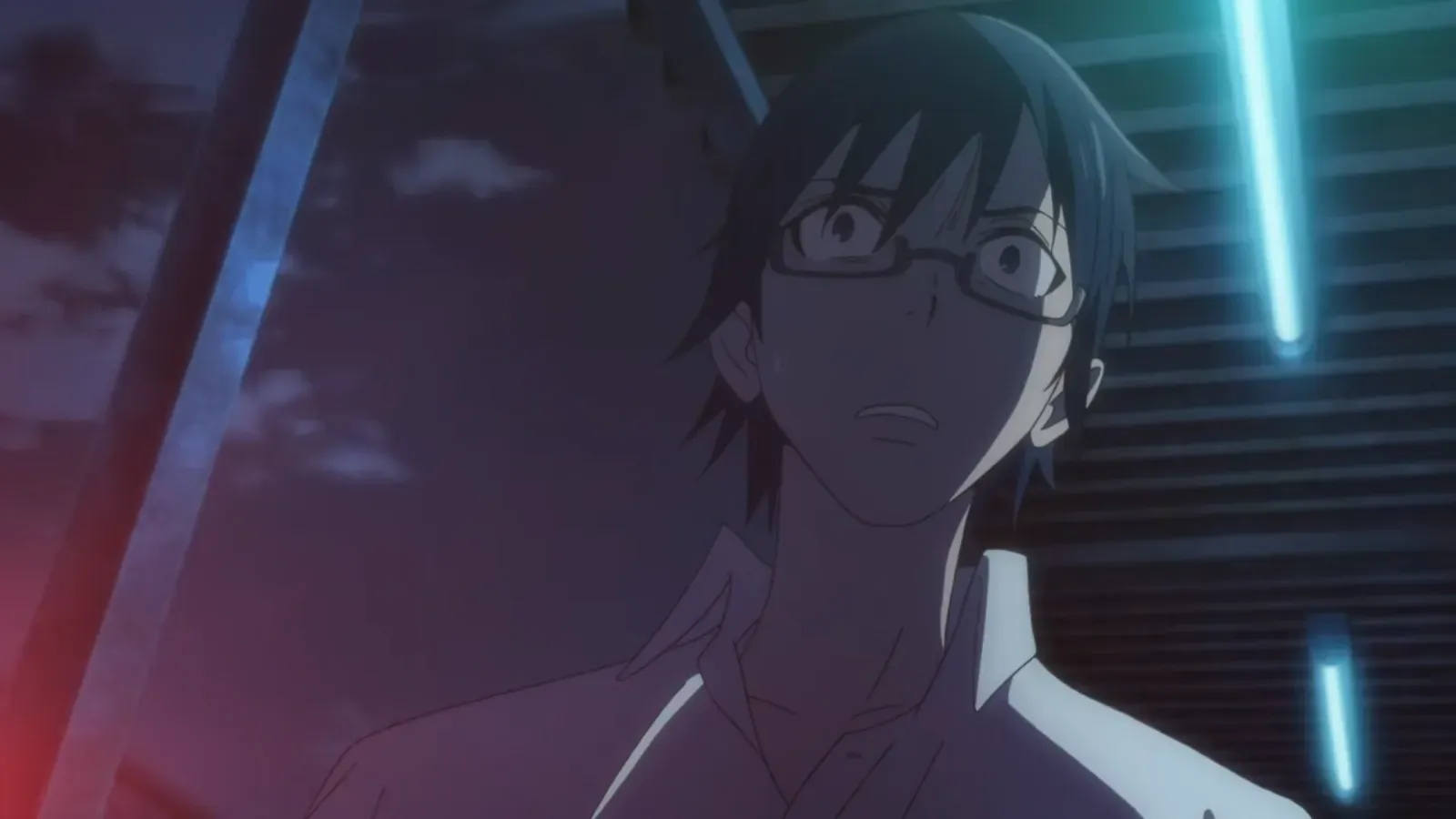
Satoru Fujinuma carries an ability he never asked for. When catastrophe is about to strike, his consciousness is torn backward by a few minutes. The world resets. He is given another chance to act. The ability is not graceful. It arrives like a seizure, leaving him disoriented and alone with knowledge no one else shares. He has used it to prevent small tragedies — a falling child, a traffic accident, a sudden act of violence. He has never used it to change the shape of an entire life. In the present day it has already shaped him into someone who moves carefully through life, drawing manga on the side, trying not to attract the attention of larger tragedies. Then one incident changed his life completely as revival activates with a force it has never shown before. He is not returned minutes. He is returned eighteen years.
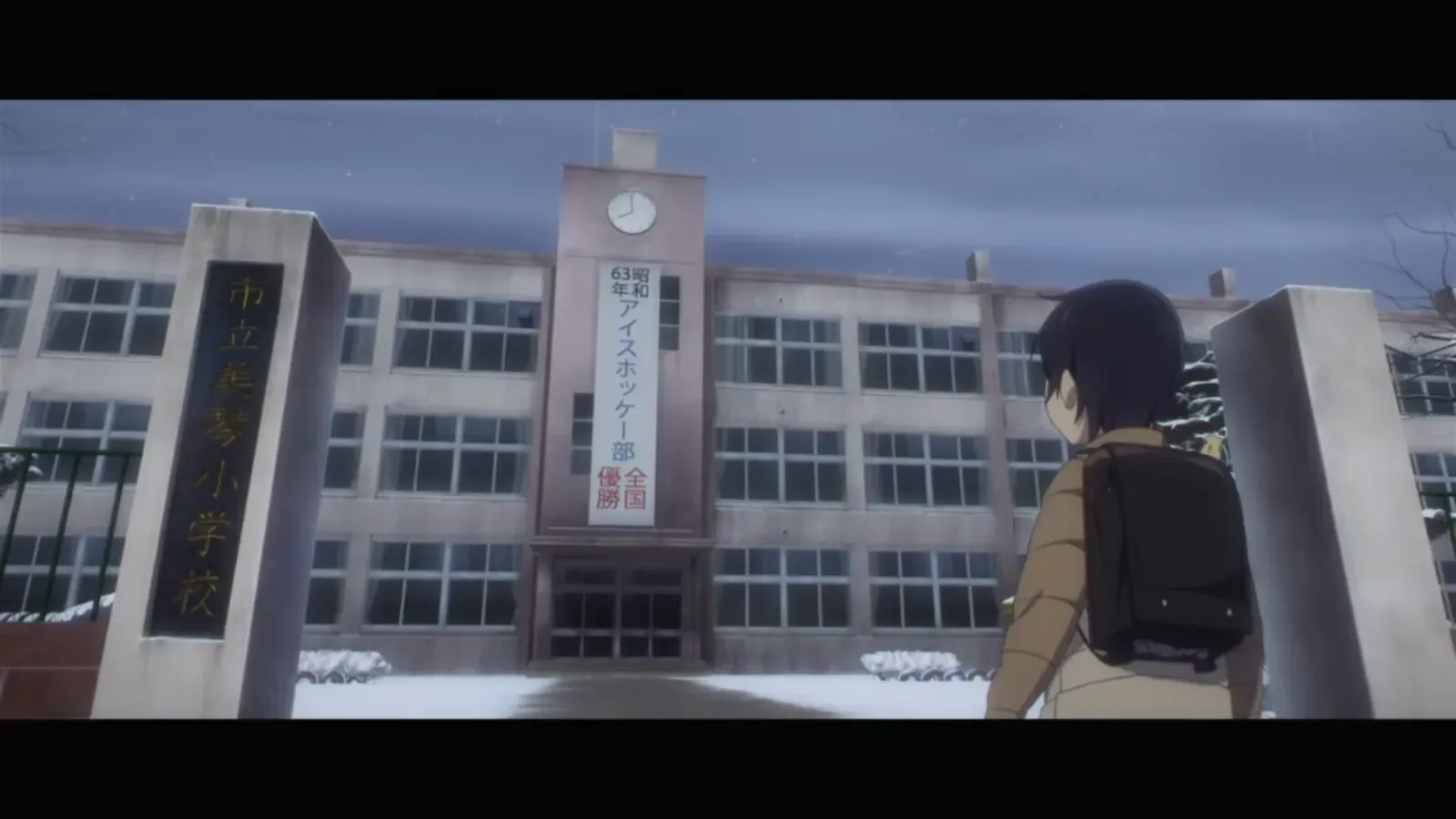
That single reset is the first truly impactful event of the series, and it is handled with remarkable restraint. There is no grand explanation, no swelling score that tells the viewer how to feel. The camera simply sits with the disorientation of a grown man waking inside a child’s body, in a town that still smells like the 1980s, surrounded by faces he has already lost once. The emotional register is set in that moment: this will not be a story about clever time-travel puzzles. It will be a story about the quiet violence of memory.
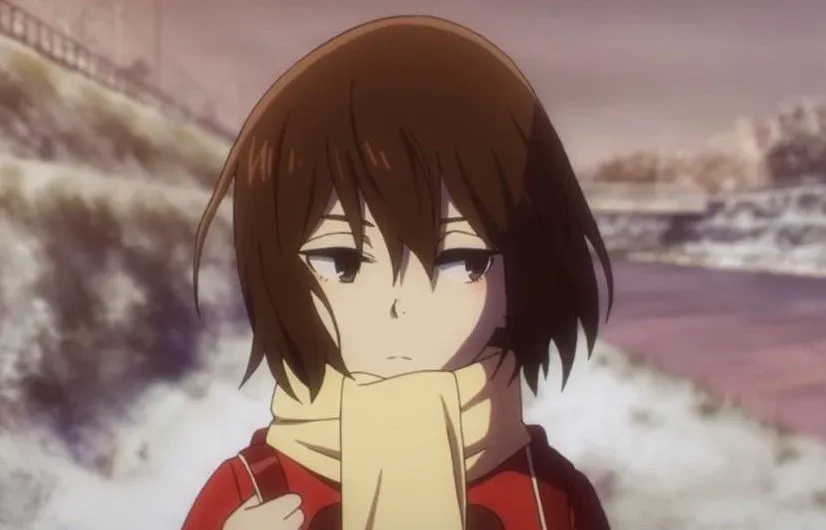
Once the past has closed around him, the series begins its real work. The first child who becomes impossible to look past is Kayo Hinazuki. She appears not as a symbol but as a quiet accumulation of details — the long sleeves in mild weather, the flinch when adults raise their voices, the way she occupies the edge of every classroom. Satoru recognizes the pattern of abuse because he has already lived in the world where she vanished. The power of these early sequences lies in how little is said. The story trusts the viewer to feel the dread of recognition before any formal revelation arrives. By the time the full extent of her home life is made clear, the emotional groundwork has already been laid. The supernatural element and the human one are no longer separate. Every small act of protection Satoru attempts is also an act of mourning for the version of events that already happened.
Around him the other children move through ordinary days that the audience now knows are finite. Kenya Kobayashi notices things adults miss. Hiromi Sugita offers a steady loyalty that will later become one of the few fixed points Satoru can still trust. These characters are introduced through the texture of daily life rather than through exposition, and that choice keeps the focus on the moral pressure of the central question: what does it mean to try to save someone when you already know the shape of their ending?
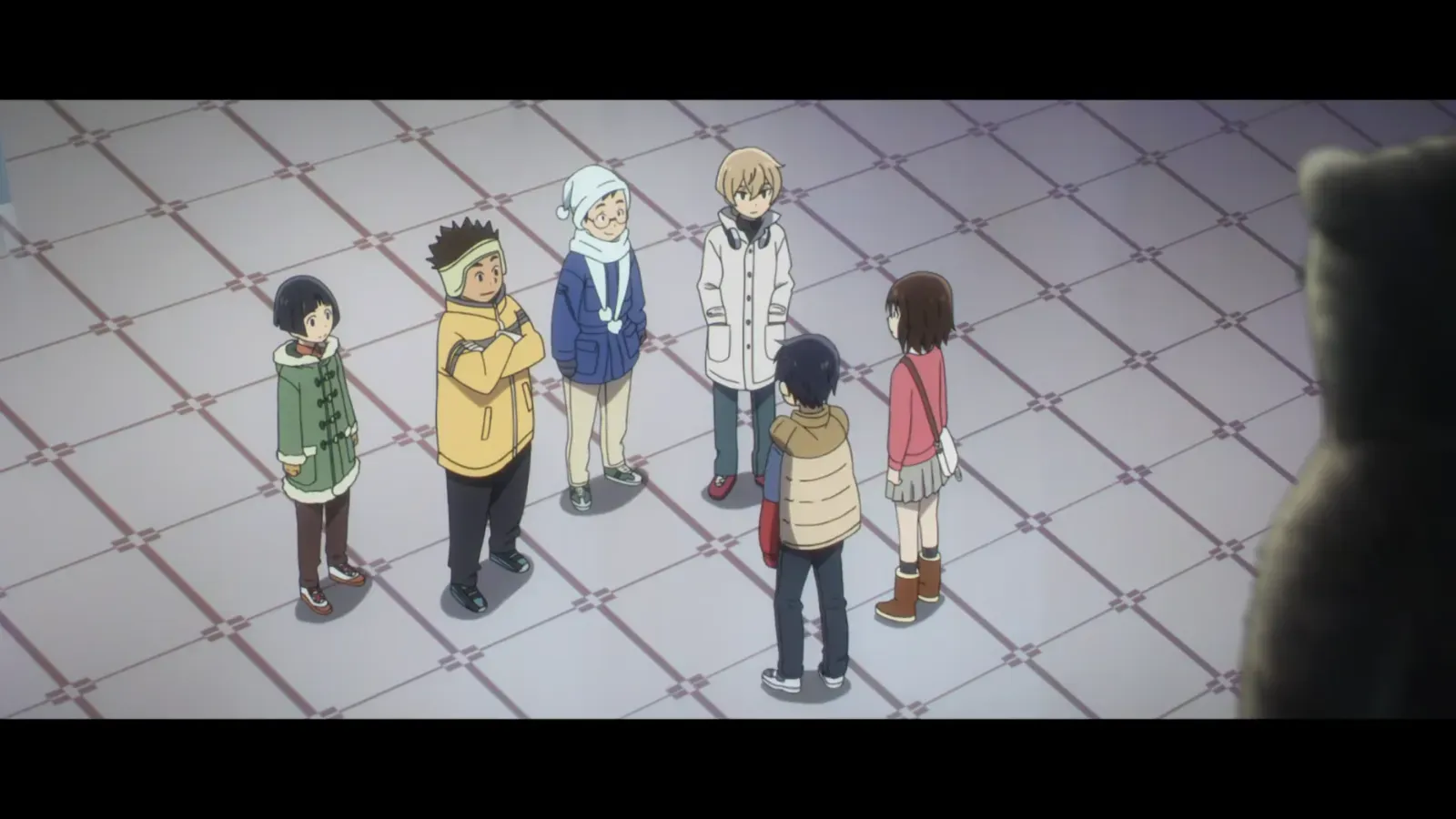
The series’ control of suspense is unusually mature. The murders begin the way they always did — a disappearance, then another, the town growing quieter in the particular way places do when fear has nowhere to settle. Satoru knows the sequence. The audience knows he knows. The tension therefore does not come from waiting for the next victim so much as from watching a man try to rewrite a fate while remaining small enough to be overlooked. Each use of Revival in the past is brief, almost clinical. A few minutes. Sometimes less. The effect is cumulative rather than spectacular. The ability never becomes a spectacle. It remains a burden that forces Satoru to live every potential failure in advance.
What makes the middle stretch of the story so effective is its refusal to separate the detective work from the human cost. Every clue is also a wound. Every attempt to keep Kayo visible is also a confrontation with the knowledge that, in one timeline, she was already gone. The series understands that the real suspense is not “who is taking the children” but “how long can one person carry the weight of two lives without breaking.” Mystery, emotion, and the supernatural are fused so tightly that none of them can be extracted without damaging the others. The result is a narrative that feels both tightly constructed and deeply felt — a rare balance in a genre that often prioritizes one at the expense of the other.
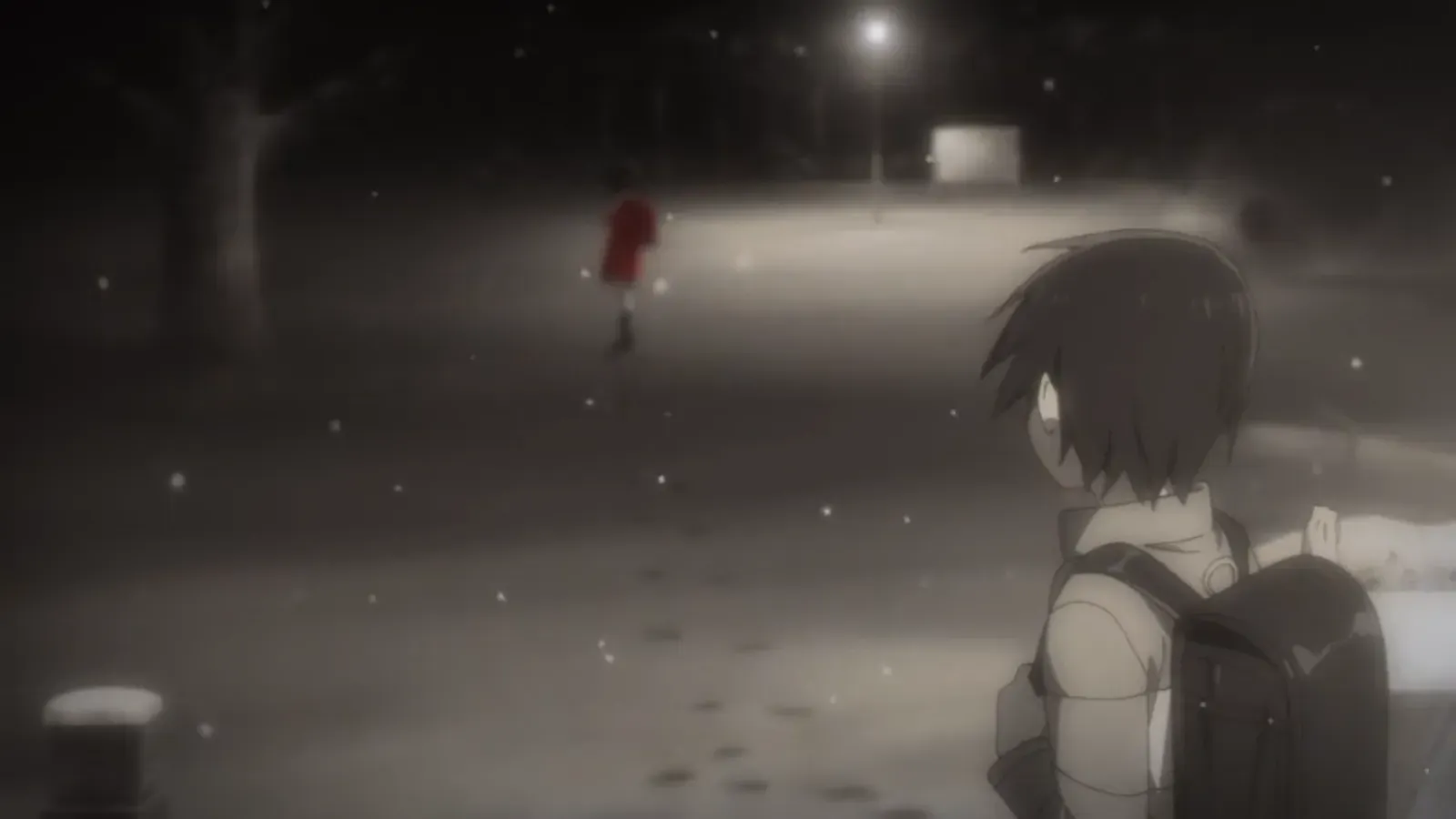
The impact of specific sequences compounds as the story progresses. The quiet confrontations in the schoolyard, the careful rearranging of small events, the moments when Satoru must decide how much of his adult knowledge he can risk revealing — each of these lands with more force because the series has already established the cost of failure. The audience is never allowed to treat the past as a sandbox. Every change carries the shadow of the timeline that was left behind.
Near the end the manga and the anime diverge. The original manga continues further into the consequences of Satoru’s interference, giving the emotional and moral aftermath more room to settle. The anime compresses and reshapes the final movement, choosing a different route through the same questions of responsibility, memory, and the limits of intervention. Both versions grasp that the story’s hold on the viewer was never only about catching the person responsible. It was about whether a single human being, handed the chance to rewrite the worst moments of his life, could actually save anyone without destroying the self that remained. The difference in endings does not weaken the work. It underlines how deliberately the core material was constructed: the same themes can be resolved in more than one way and still leave the same quiet afterimage.
What remains after the final frame is not the cleverness of the premise. It is the image of a boy reaching for a girl who has already learned the world will not protect her. It is the sound of footsteps in snow. It is the knowledge that some wounds are not healed by returning to the past. They are only carried differently.
Kei Sanbe’s other work often returns to the same territory of damaged childhoods and the long shadows they cast. A Girl on the Shore examines the raw emotional landscape of adolescence with a similar refusal to look away or soften the edges. Those who respond to the measured intensity of Erased will find that same unsentimental gaze waiting there.
Erased does not promise that time can be made clean. It only asks, with unusual precision and restraint, what a person is willing to become in order to try.
Couch talk
Quiet on this thread so far — say something (we mod before it goes live).