Death Note Ainme review
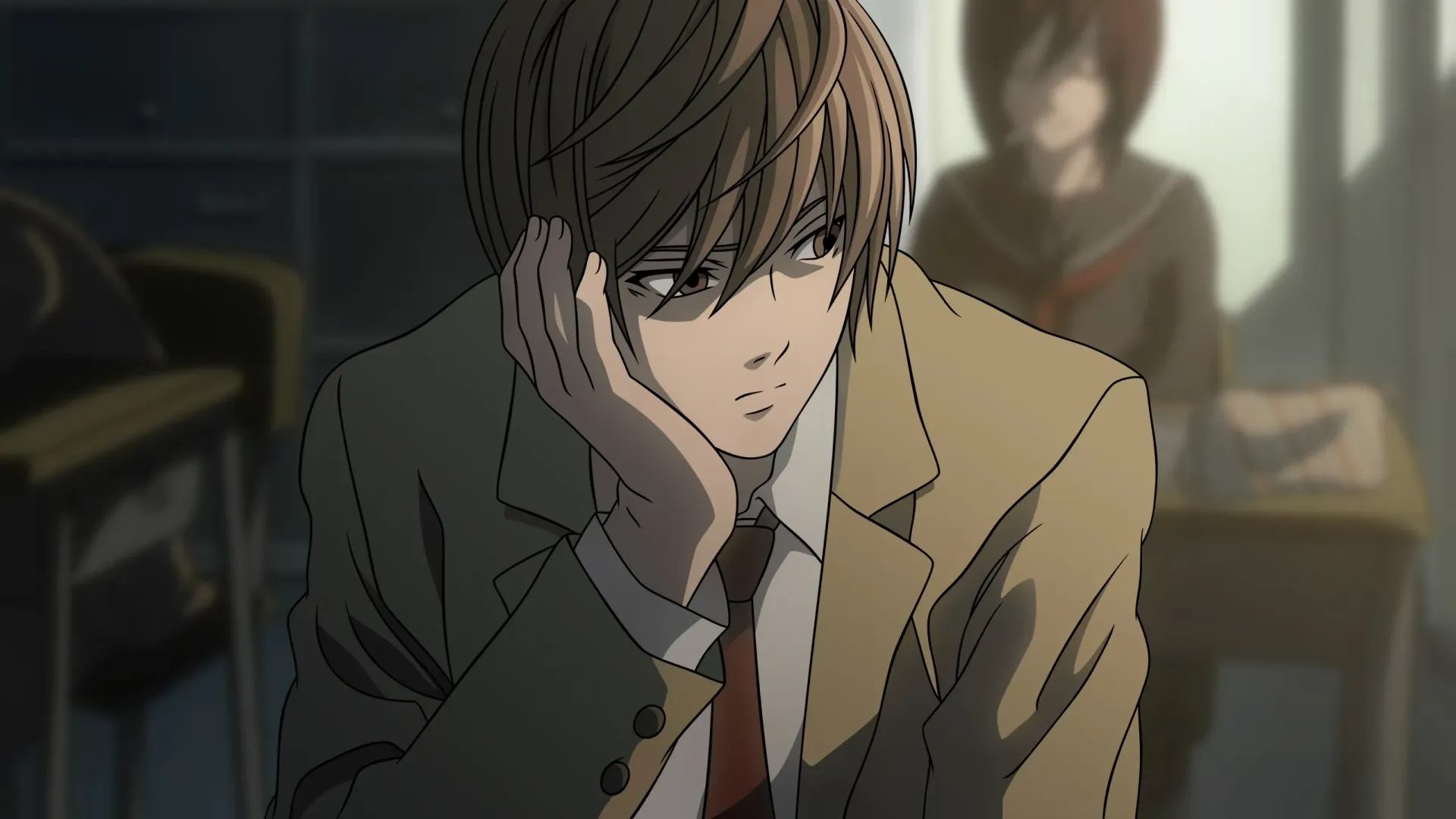
The notebook arrives without ceremony, it lands in the ordinary world of a high school student already convinced that the system around him is broken beyond repair. Light Yagami picks it up. He is not searching for power. He is simply bored by mediocrity and disgusted by the slow rot of crime that no court seems able to stop. The first names he writes are tests. The deaths that follow are not yet ideology. They are confirmation.
Something irreversible settles in him the moment the power proves real.
The rules are simple. A name and a face are enough. The rest is detail. Light begins to kill criminals with the steady precision of someone correcting a ledger. The public soon has a name for the unseen hand: Kira. What begins as private judgment becomes public theater. And with every successful execution, Light’s private conviction hardens. He is not merely cleaning the world, he is the only one qualified to decide who belongs in it.
Then the shinigami appears.
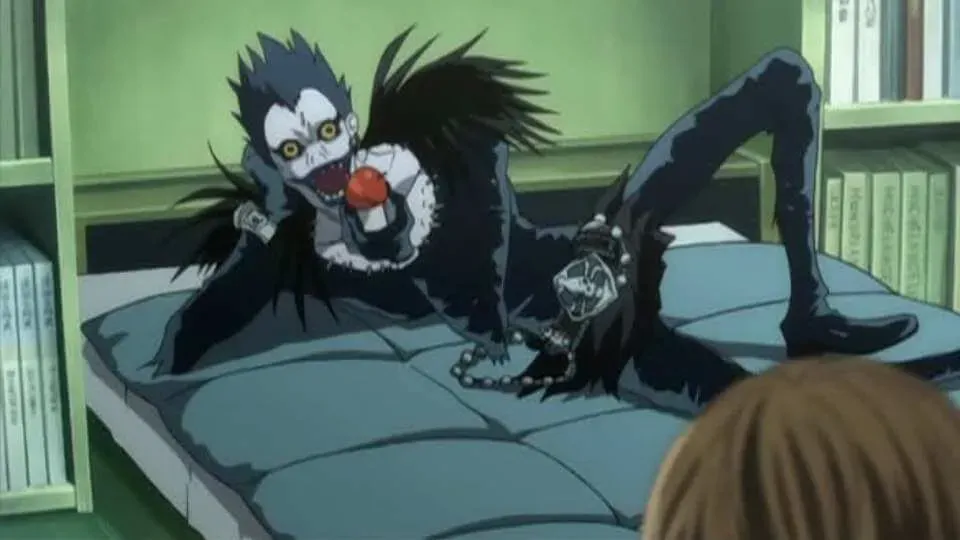
Ryuk floats into the room like an uninvited observer, speaking of boredom and apples, claiming no allegiance. The Death Note did not create Light’s sense of superiority, it merely gave that superiority a weapon that cannot be traced. Ryuk watches without judgment, and in that indifference Light finds permission. The notebook is not a moral force, it is a catalyst without the notebook, Light remains a gifted student who seethes at injustice in silence. With it, the silence ends and the god begins to speak.
The world notices. Governments notice. And somewhere in the shadows, a detective who has never shown his face decides the case is interesting enough to take personally.
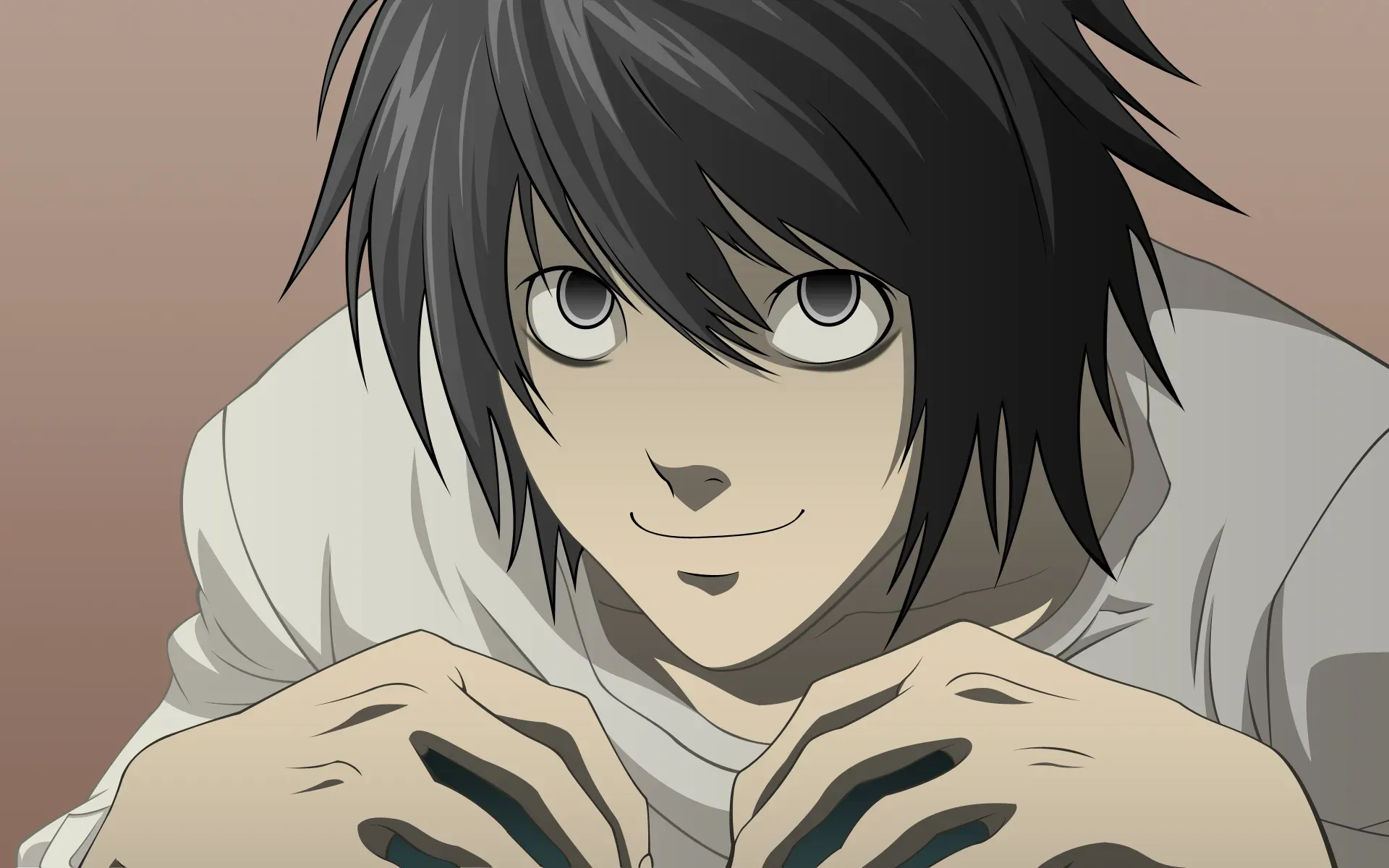
L enters the story not as a person but as a presence. A voice a challenge issued on live television that forces Kira to reveal location through overconfidence. The duel begins as the two intellects recognizes each other immediately. Light sees in L the only mind capable of threatening the new order. L sees in Kira a killer whose methods are too clean, too purposeful, too close to justice itself to be ordinary.
Their psychology is almost symmetrical, both believe the ends justify extraordinary means. Both treat human lives as pieces on a board and the only difference is the source of their authority. L derives it from pure deduction and the fragile legitimacy of law while Light derives his from a notebook that answers to no law at all. The notebook tilts the board permanently. Every time Light writes a name, he reasserts the claim that he alone stands above the system L is trying to uphold.
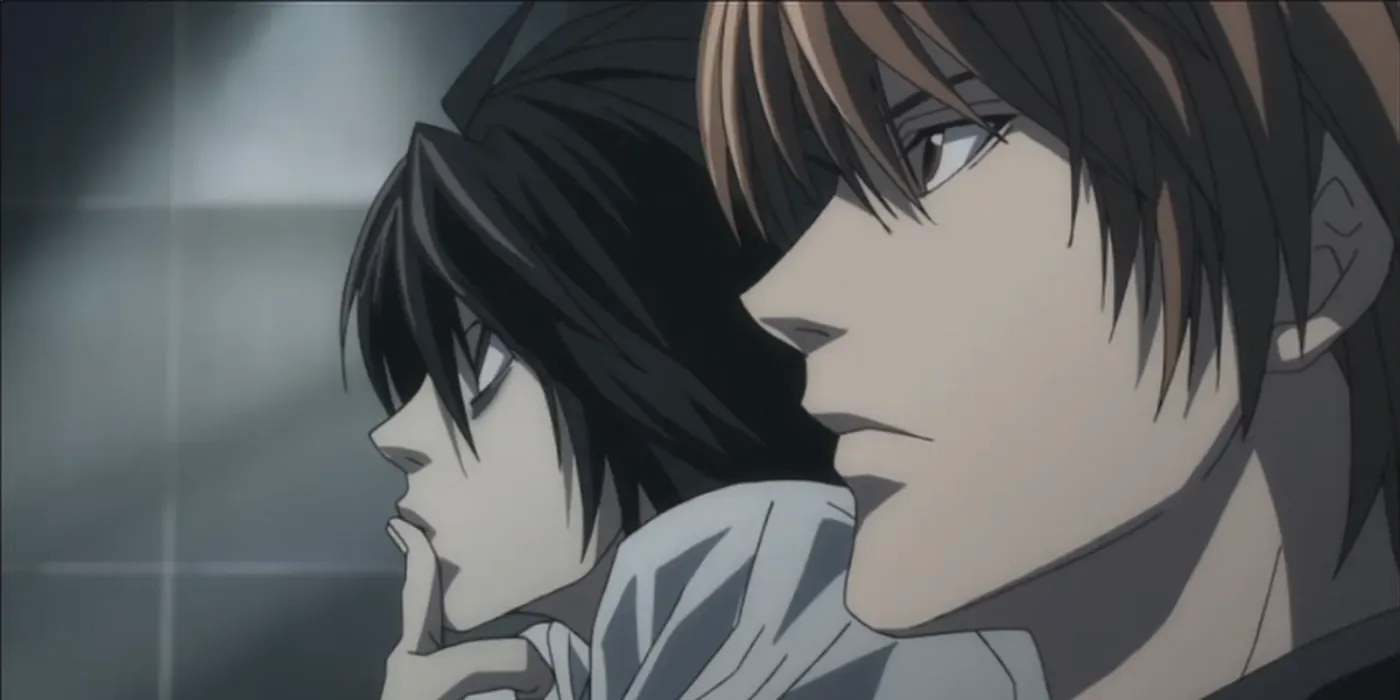
The pressure mounts and Light joins the investigation, sitting across from the man hunting him, smiling the same polite smile he has always worn. The performance is flawless because it is not entirely performance, part of him still believes the performance is the truth. He is the good son, the model student, the one who will save the world. The notebook simply makes the saving possible.
Then a second notebook finds a second hand.
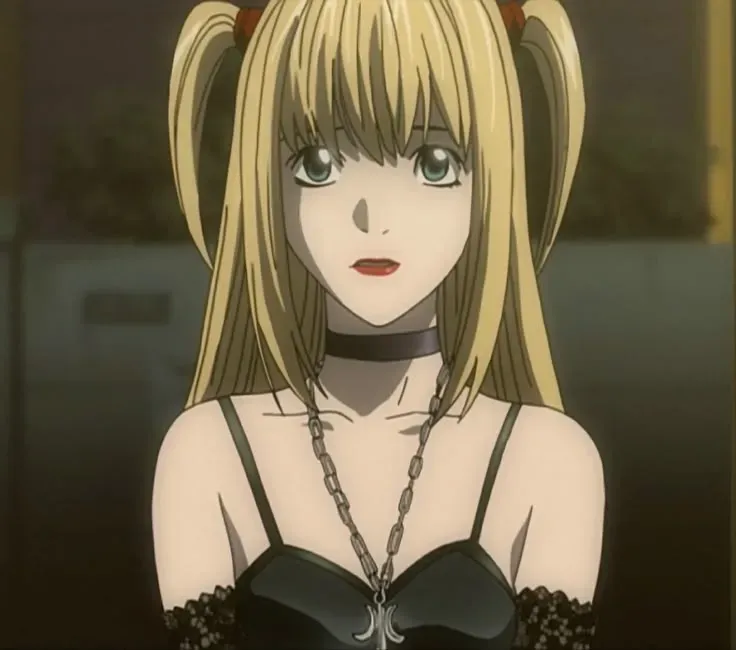
Misa Amane arrives driven by grief and devotion. Her parents’ killer died by Kira’s hand. She has already traded half her remaining life for the shinigami eyes that let her see names without effort. Where Light calculates, Misa worships. Where Light claims the throne of god, she offers herself as the first true believer. The notebook again acts as catalyst. Without the eyes and the second notebook, Misa remains a grieving idol. With them, she becomes an instrument Light can use and a liability he must control. Love, in her case, is not romance. It is absolute surrender to the idea of Kira.
Light accepts the alliance the way a general accepts a useful weapon. He never confuses her devotion with equality, the god complex does not share power it absorbs it.
The game tightens. Memories are forfeited and regained. The notebook passes through other hands. Light temporarily ceases to be Kira and watches the world through the eyes of an ordinary investigator, only to reclaim the power and the identity with a clarity that is almost serene. The moment the memories return is one of the purest expressions of his psychology, there is no hesitation, the self that believed in justice and the self that became Kira were never truly separate. The notebook simply made the second self inevitable.
L dies. The death is not loud. It is the quiet closing of a mind that had come closer than anyone to understanding the shape of the god Light was building. In the aftermath, the world continues to shift toward the order Kira demands. Crime rates fall, fear rises, the god is no longer a rumor.
Years pass.
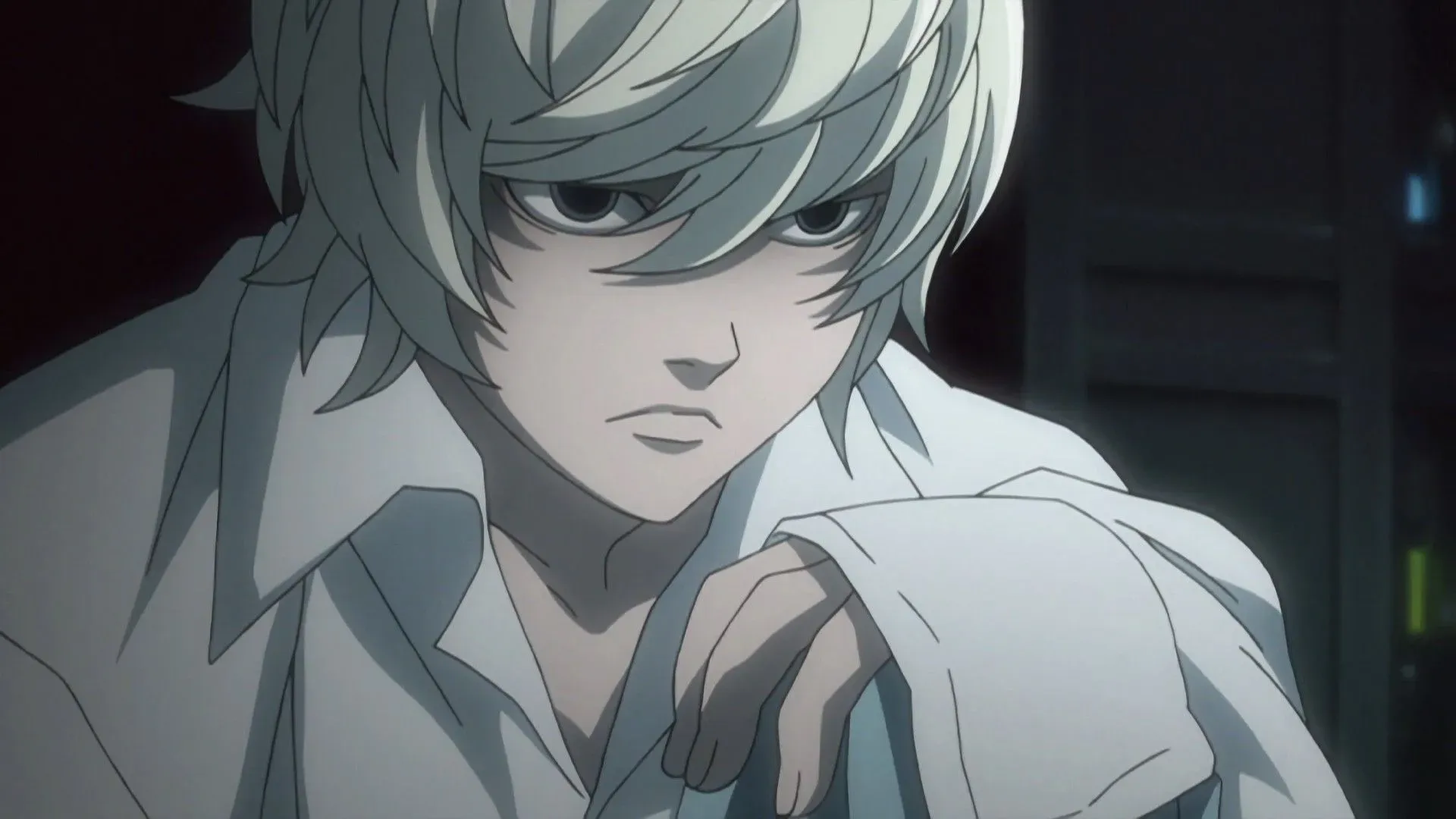
Two successors emerge from the same orphanage that produced L. Near approaches the problem like a puzzle that must be completed with absolute precision. Mello approaches it like a war that must be won at any cost. Their methods diverge, yet both are shaped by the same absence. L’s death created a vacuum that neither can fill alone. The supernatural remains the constant, the notebook still exists, the power still answers only to whoever holds it. Near’s cold calculation and Mello’s reckless fire are both reactions to a force that has already rewritten the rules of justice.
Light, now older, wearing the titles of both L and Kira, continues to move pieces with the confidence of someone who has never truly lost. The god complex has matured, it no longer needs to announce itself it simply operates. The people around him, the task force members, followers, even the new spokesperson who worships the idea of Kira—become extensions of a will that no longer questions its own rightness.
The final confrontation is not a battle of strength, it is a revelation of limits. The notebook that gave Light the power of a god cannot protect him from the one truth the notebook never promised: human error remains human. A single miscalculation, a single loyal follower who acts a moment too soon, and the carefully constructed divinity collapses.
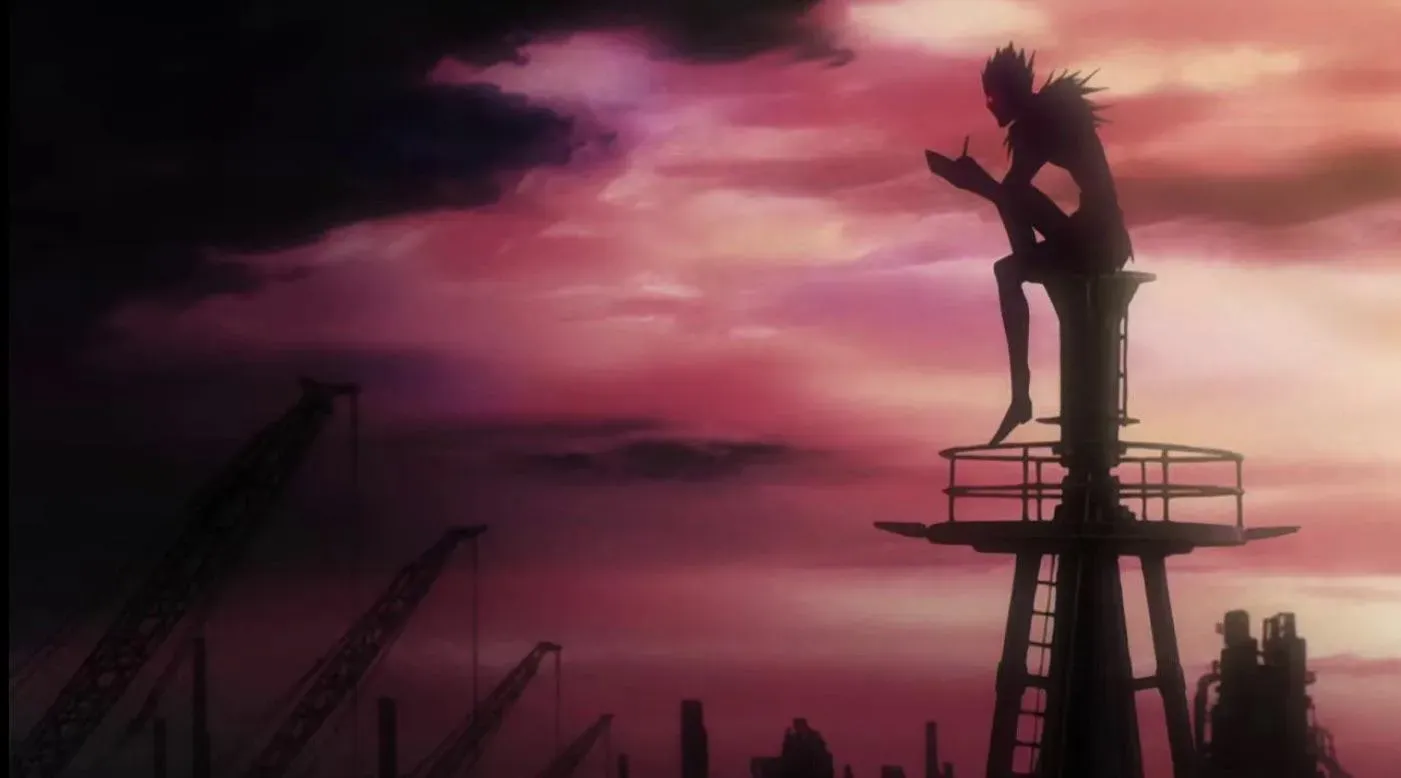
Ryuk writes the final name.
The same shinigami who watched the rise of Kira without intervening ends it with the same detachment. The catalyst closes the circle , the notebook that allowed a brilliant boy to become a self-proclaimed god also ensures that the god remains mortal.
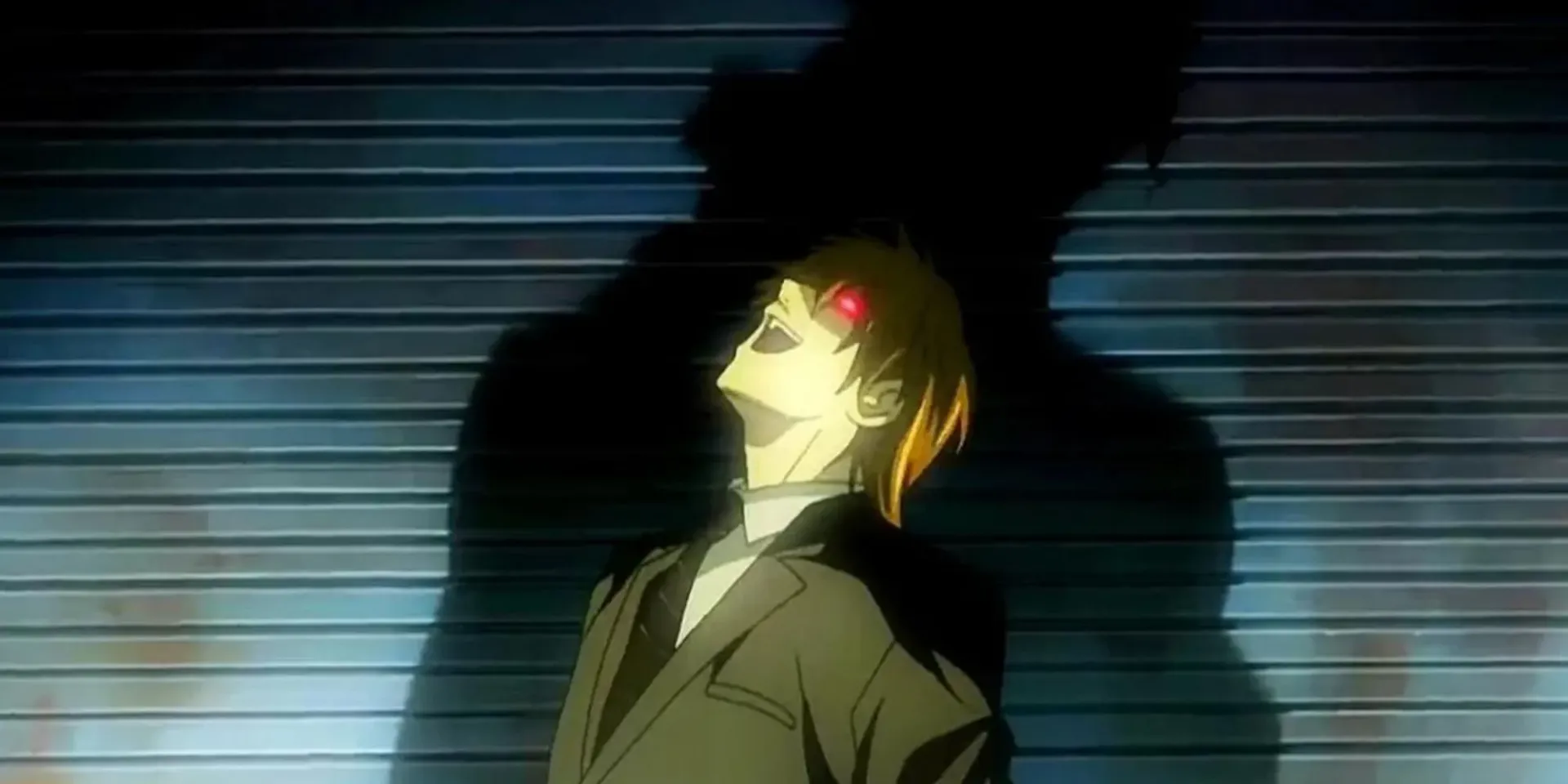
What lingers is not the body count or the cleverness of the traps, it is the quiet demonstration that absolute power does not corrupt an otherwise pure soul, it reveals the soul that was already waiting. The Death Note does not invent the desire to stand above others and decide their worth, it simply removes every practical barrier to acting on that desire. Light’s intelligence, his moral certainty, his need to be the one who judges—all of it existed before the notebook fell. The notebook only gave those traits a stage large enough to consume the world.
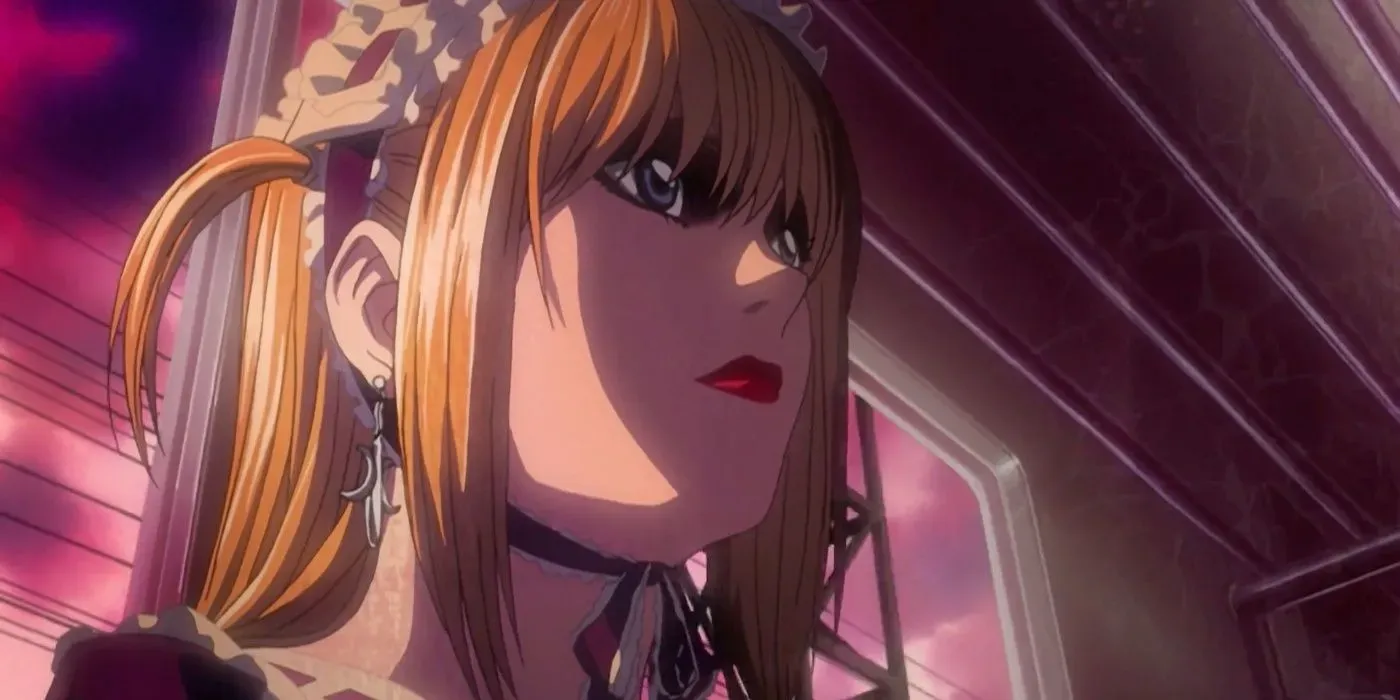
The same pattern repeats in smaller forms throughout the story. Misa’s devotion becomes lethal only because the eyes and the notebook exist. Even L, for all his brilliance, plays a game that would be impossible without the knowledge that an invisible force is rewriting reality itself. The notebook is never neutral it amplifies whatever hunger already lives in the person who touches it.
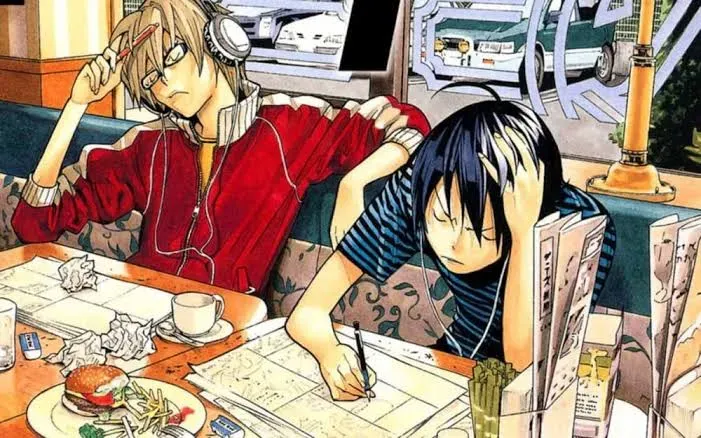
Readers looking for more from the same creators will find the same restless intelligence at work in Bakuman, where two young men chase the dream of creating stories that matter, measuring ambition against the brutal machinery of weekly serialization. The rivalry, the calculation, the willingness to sacrifice ordinary life for a singular vision—all of it echoes the intensity that once drove Light, only this time the battlefield is creation rather than judgment. Later, Platinum End returns to the question of ordinary people handed extraordinary power and forced to decide what a god should look like. The themes of choice, worship, and the cost of divinity continue, but the tone is different, more concerned with happiness than with purification.
The notebook closes. The names remain written. And somewhere the question still hangs, unanswered by any shinigami: what would any of us have done if the power to rewrite the world had fallen into our hands instead?
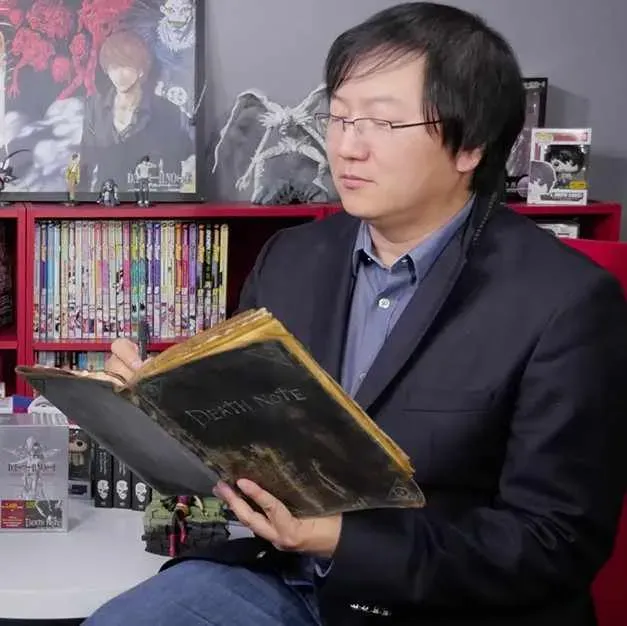
Couch talk
Quiet on this thread so far — say something (we mod before it goes live).