Akame Ga Kill! an ainme review
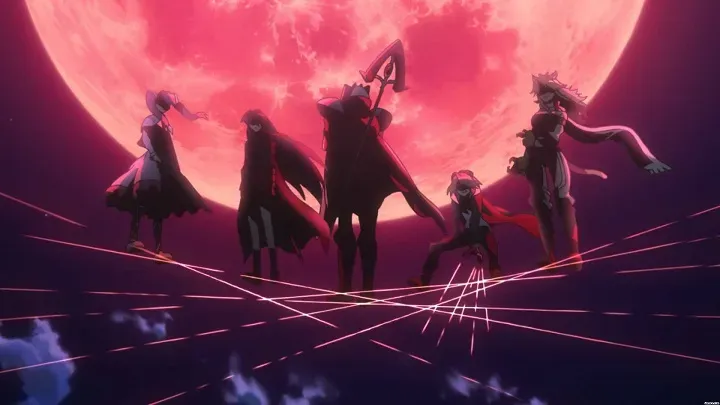
Studio: White Fox
Episodes / Season: 24 episodes (1 season)
Genre: Action, Dark Fantasy, Shonen
Air date / Status: July–December 2014 – Completed
My Score: 8/10
Introduction
Akame ga Kill! is the kind of first-watch show that lodges in your memory before you have the vocabulary to explain why. A country kid walks into the Capital looking for work. The Empire is rotten. An assassination squad called Night Raid offers him a blade and a family, and twenty-four episodes prove that both gifts are expensive.
It is shonen entertainment first: Imperial Arms, flashy fights, a harem-shaped roster around a sincere boy, comedy that keeps the hideout from turning into a funeral parlor. Under that is a darker argument about what it costs to stay decent in a system that rewards cruelty. The two tones should cancel each other out. Often they do not.
Spoiler warning: The synopsis stays with the premise. Later sections talk about the shape of the season, how the cast is used, and the fact that the anime ends on its own terms rather than the manga’s. They do not walk through late-plot reveals. If you want every loss cold, watch first.
Spoiler-Free Synopsis
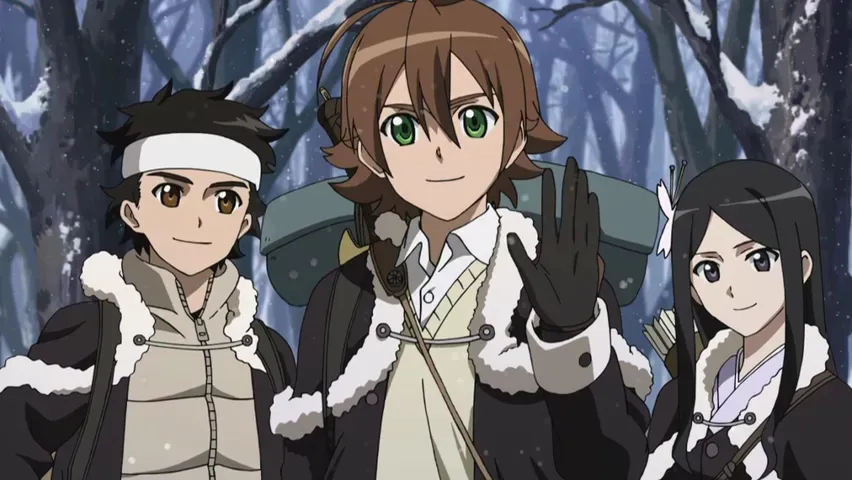
Tatsumi leaves his village for the Imperial Capital, hoping to earn enough to keep the people at home alive. What he finds is a city where nobles treat the poor as sport and a child emperor sits in front of a minister who has already eaten the country. After a brutal first lesson in how the Capital works, he is pulled into Night Raid, the Revolutionary Army’s covert kill team.
The job is simple on paper: cut down the officials and monsters who keep the Empire standing. The tools are Teigu — rare weapons that rewrite what a body can do. The teammates are specialists who have already decided that legality is a luxury. Tatsumi’s idealism does not survive the first week intact, but it does not vanish either. That tension is the engine.
Characters
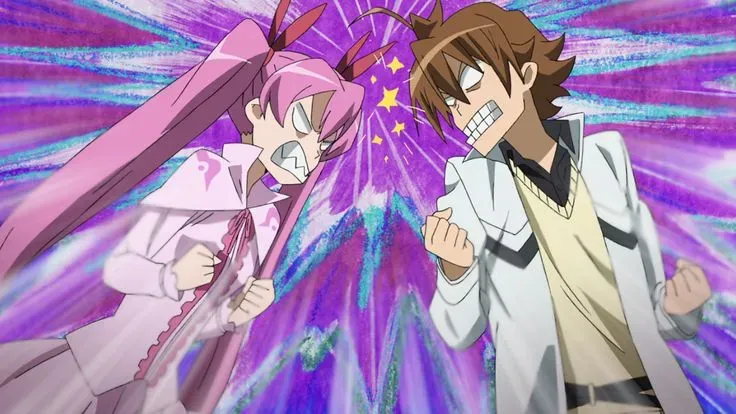
Tatsumi is the entry point on purpose. He is earnest, a little green, and stubborn about the idea that people should live. White Fox lets him be comic without making him a fool, which is why the texture around him works as more than decoration. Banter with the women of Night Raid — awkward, warm, occasionally sharp — keeps the hideout feeling like a place. The romantic current never becomes the plot, but it is never off either. That is the flavor a lot of early viewers remember.
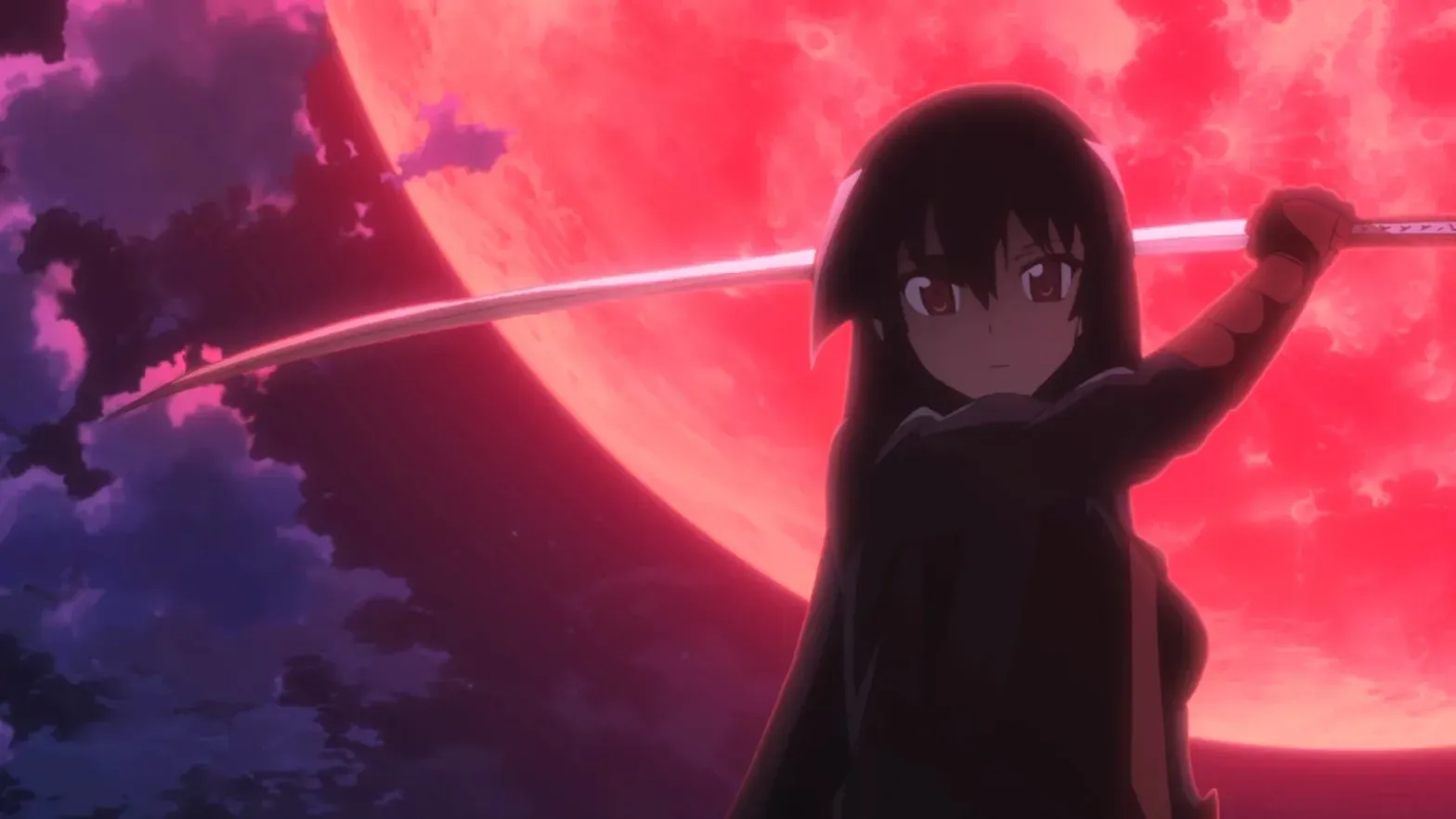
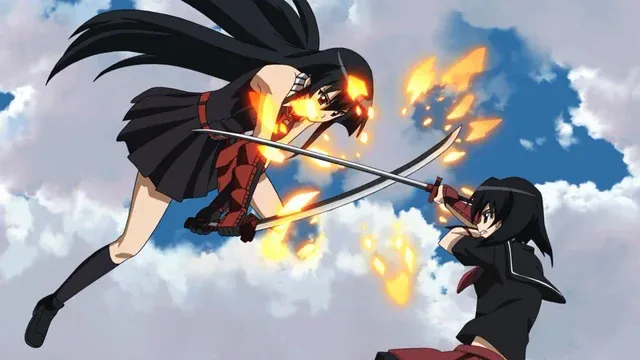
Akame is the title and the quiet center: few words, a cursed blade, a past the Empire wrote for her. As the season spends people, she is the one who keeps walking with the weight of the ones who do not. The writing skips the speeches and gives her stillness.
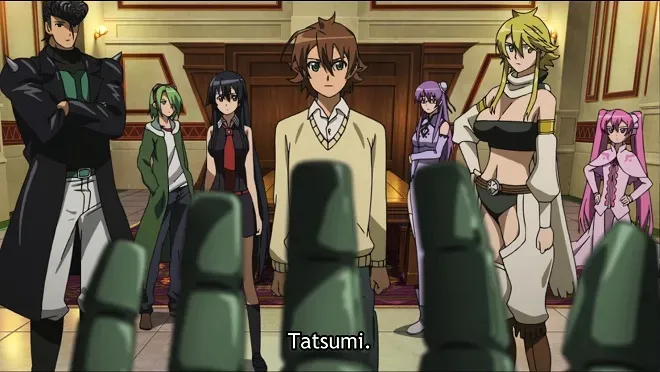
The rest of Night Raid is built as flavors, not extras. Leone is appetite and blunt kindness. Mine is pride with a sniper rifle and a shorter fuse than she admits. Sheele looks harmless until the scissors come out; her gentleness is the point. Lubbock talks too much and sees more than the jokes suggest. Bulat is the big-brother ideal Tatsumi did not know he was looking for. Najenda, the former general running the unit, holds the political line so the others can stay human between jobs.

Then there is Esdeath. She is the Empire’s strongest general: a sadist with a winter Teigu who believes only the powerful deserve to live. Her interest in Tatsumi is the season’s strangest relationship. From Night Raid’s side, it looks one-sided — she wants him; he does not choose her. At the same time, it is the closest she comes to caring about a person instead of a fight. The series never softens her, and it never pretends she only wants him as a tactic. That mix of obsession and real want is uncomfortable on purpose.
Chelsea arrives later and earns her seat quickly. Kurome, Akame’s sister on the other payroll, turns the war into something smaller and worse than ideology. Prime Minister Honest is rot with a smile; he does not need complexity to be effective.
Story & Pacing
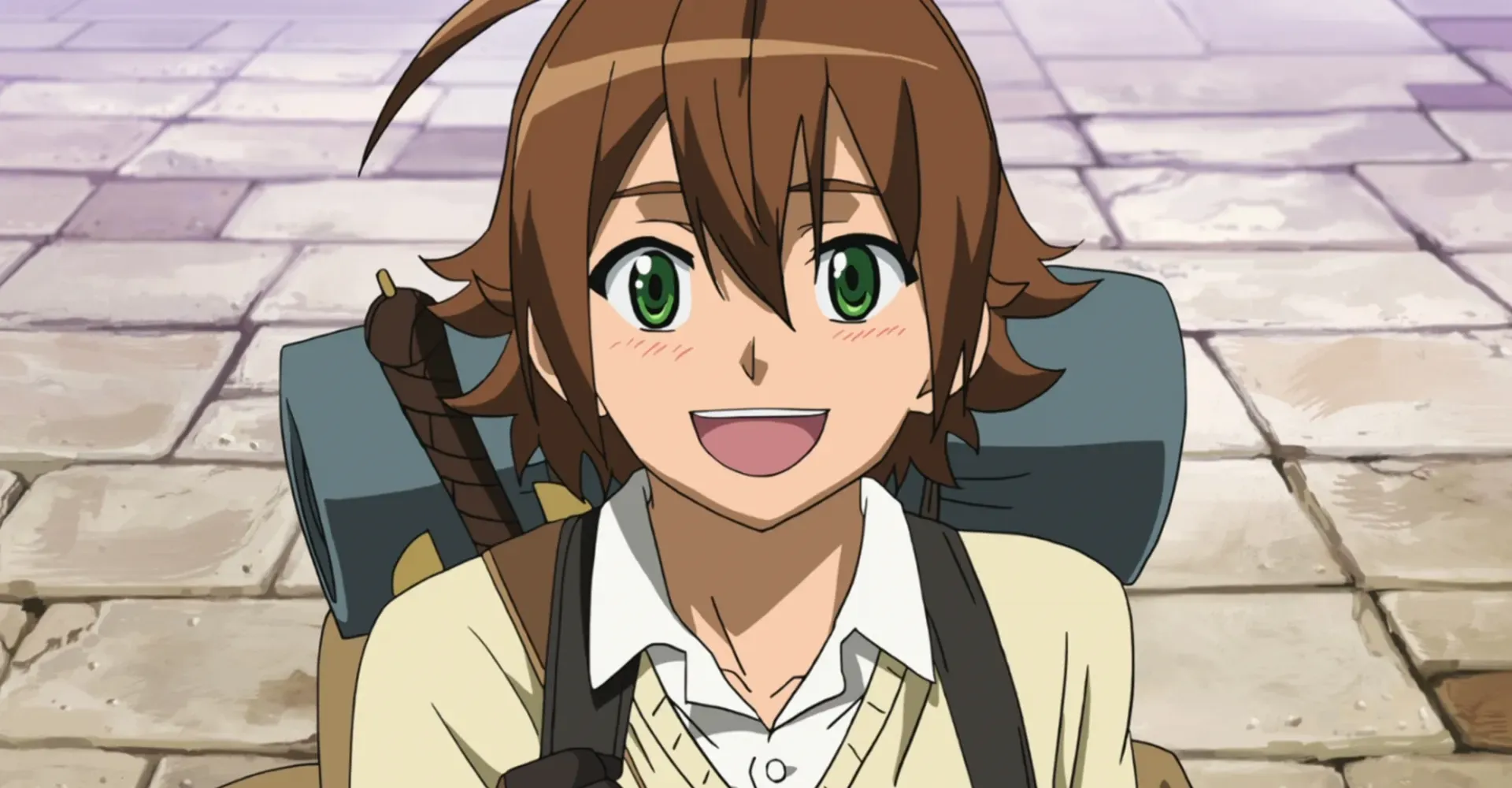
The first third is recruitment and orientation. Missions have a target, a Teigu reveal, and a comedown at the hideout. That familiar shonen rhythm is useful. You learn the roster the way Tatsumi does: by working with them.
Mid-season, people start dying for real. Named characters are not safe, and once you know that, each episode feels sharper. The comedy and flirtation do not stop, they sit next to funerals, which is why the lighter scenes still matter, they are the life the killings are supposed to protect.
The last stretch accelerates. White Fox had a finished cour and a manga that was still running, so the anime builds its own endgame. Fights stack. Explanations shorten. If you came for a measured political thriller, the closing hours feel like a sprint. If you came for a complete television story with a night-raid shape, the sprint is the point.
Themes & Writing
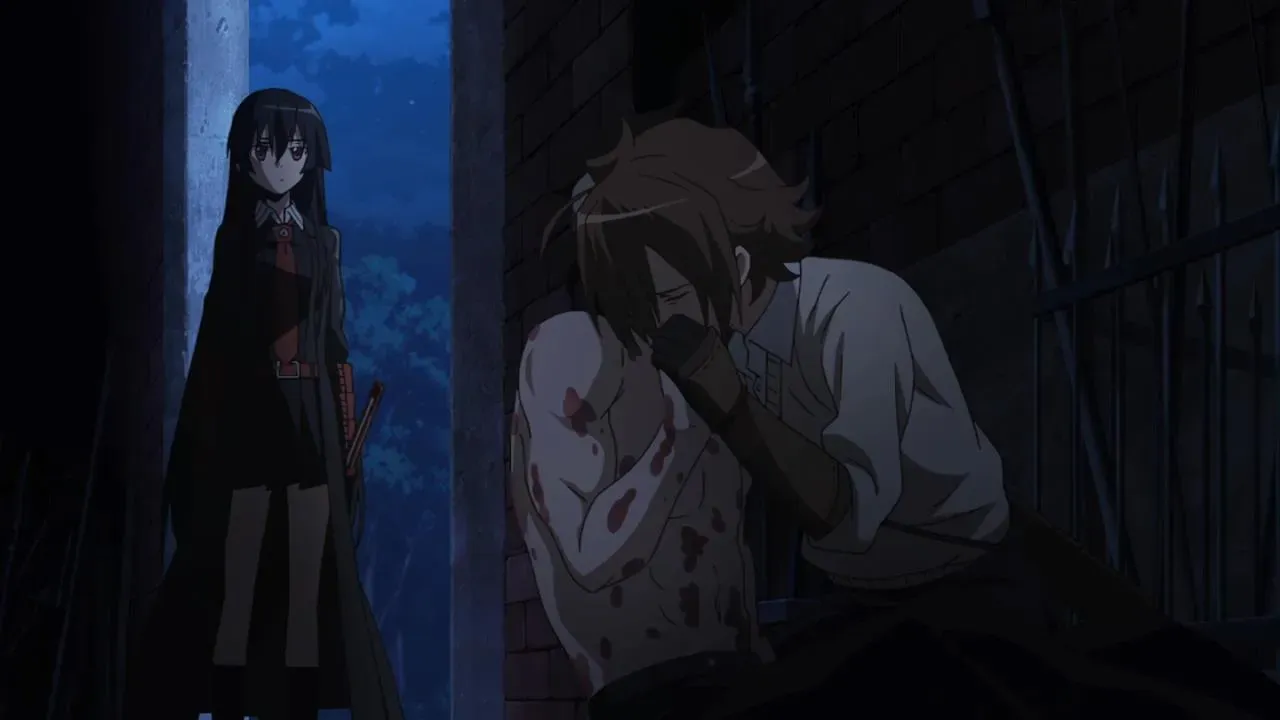
The Empire is not subtle, and it does not need to be. Wealth eats the poor. Justice is a slogan for people with armies. Night Raid’s answer is assassination, treated as both necessary and staining. Nobody in the hideout stays clean. The question is whether they stay themselves.
That is why the flavors matter. Each member carries a different reason to keep cutting: duty, revenge, a village, a sister, a belief that the Capital does not get the last word. The struggles are not equally deep, some backstories are sketches but they rhyme.
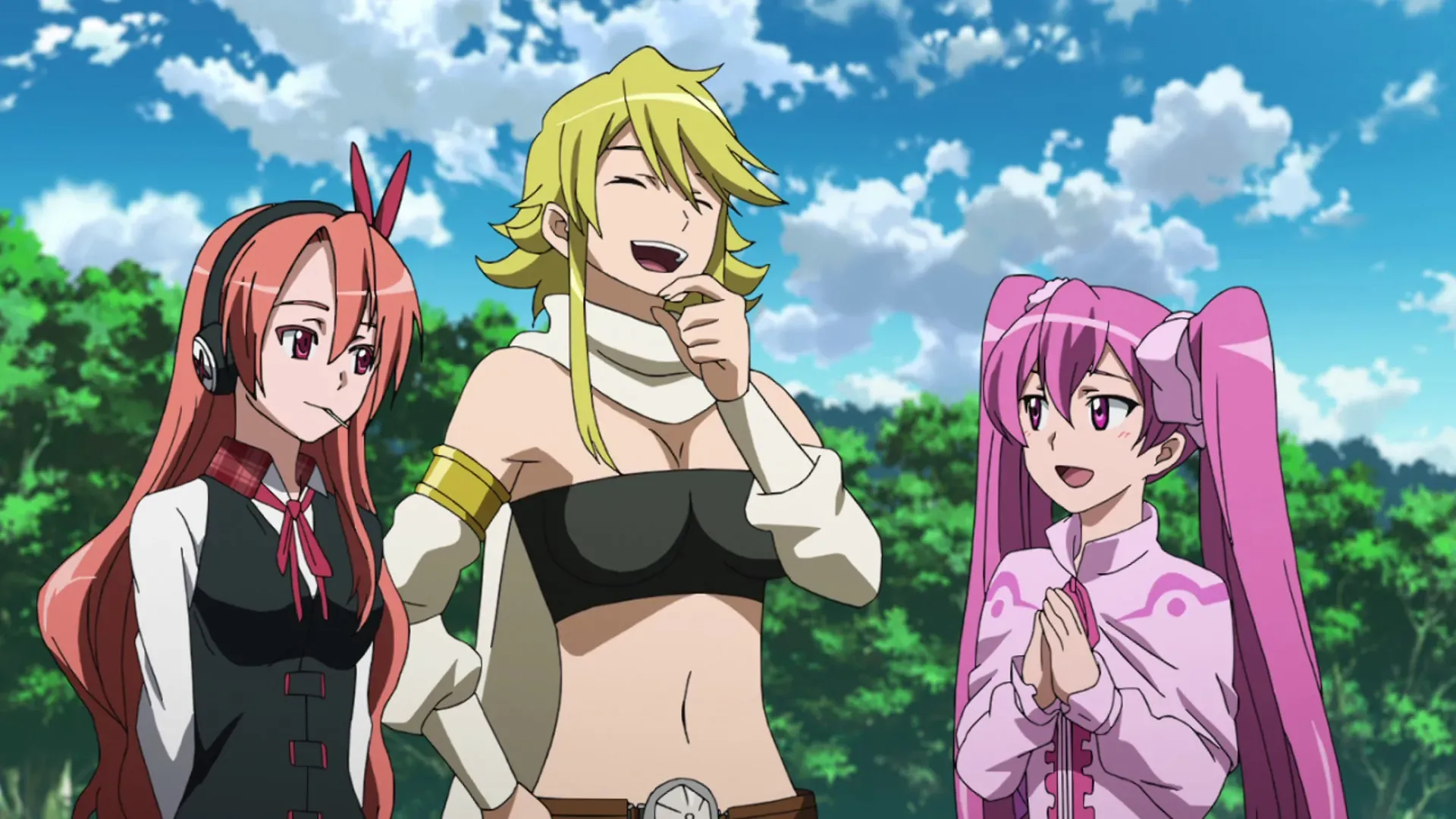
The harem setup is part of the entertainment, not a leak from another genre. Tatsumi’s attention, and the girls’ attention back, is a reminder that these people still want a meal, a tease, someone at the table after the mission. Esdeath’s claim on him is the dark mirror of that want. She offers power and a private war while Night Raid offers a room. The series is not confused about which it prefers.
Akame’s through-line is the cost of remaining. The title is a promise and a job description. Continuing the journey is not triumph. It is the work left after the others have been spent.
Animation & Art
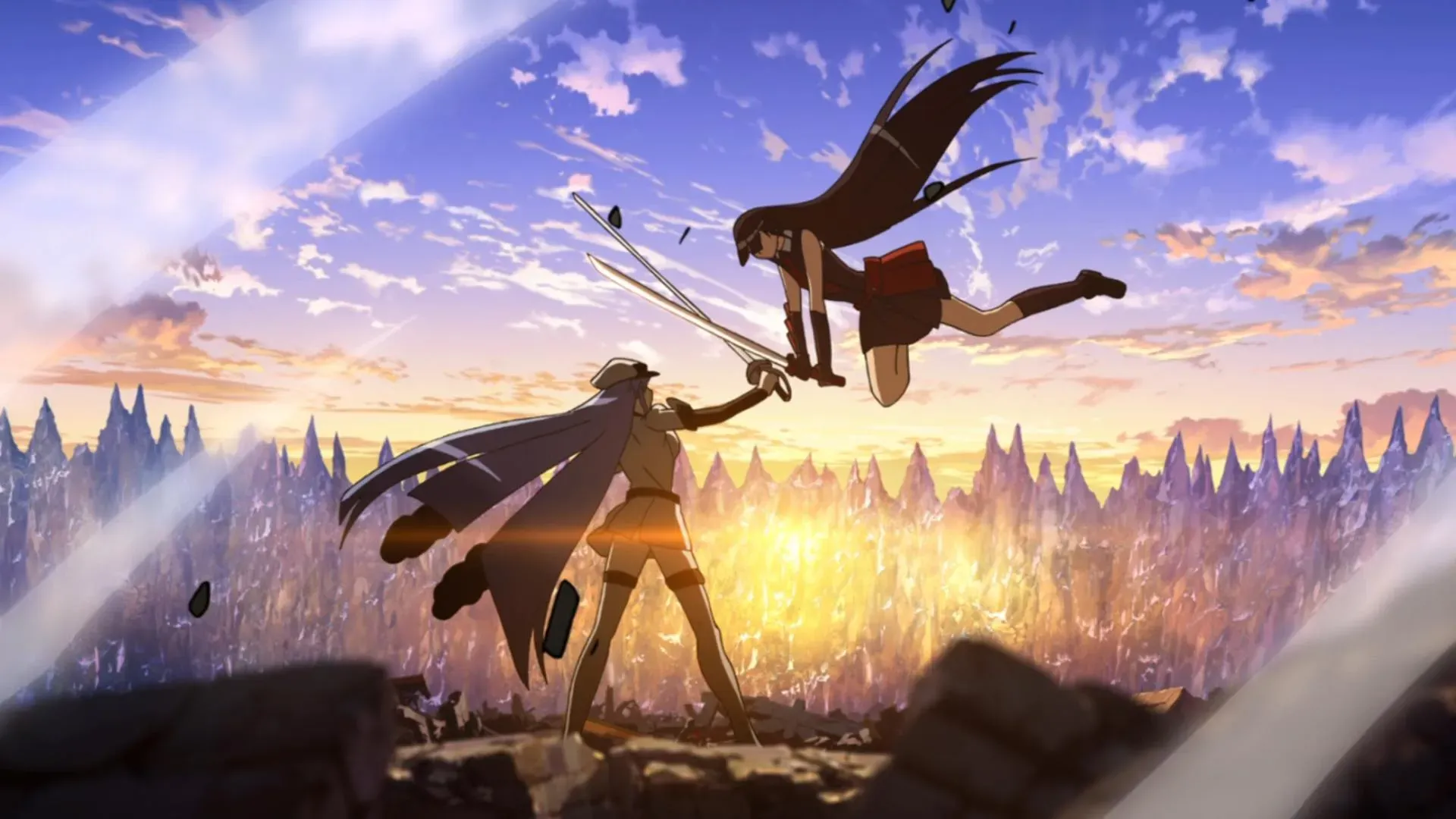
White Fox in 2014 could already stage a fight. Teigu designs read in motion: armor that grows, threads that pin, a blade that only needs one cut. Character designs stay on the attractive side of dark-fantasy shonen — long coats, bright hair, frames built to sell a joke and a killing blow in the same episode. Quality is not even. Big confrontations get the budget, some weekly missions flatten into stills. Blood is theatrical. The Capital looks gilded and sick, the hideout looks lived in. That contrast does as much work as the speeches.
Music & Sound Design
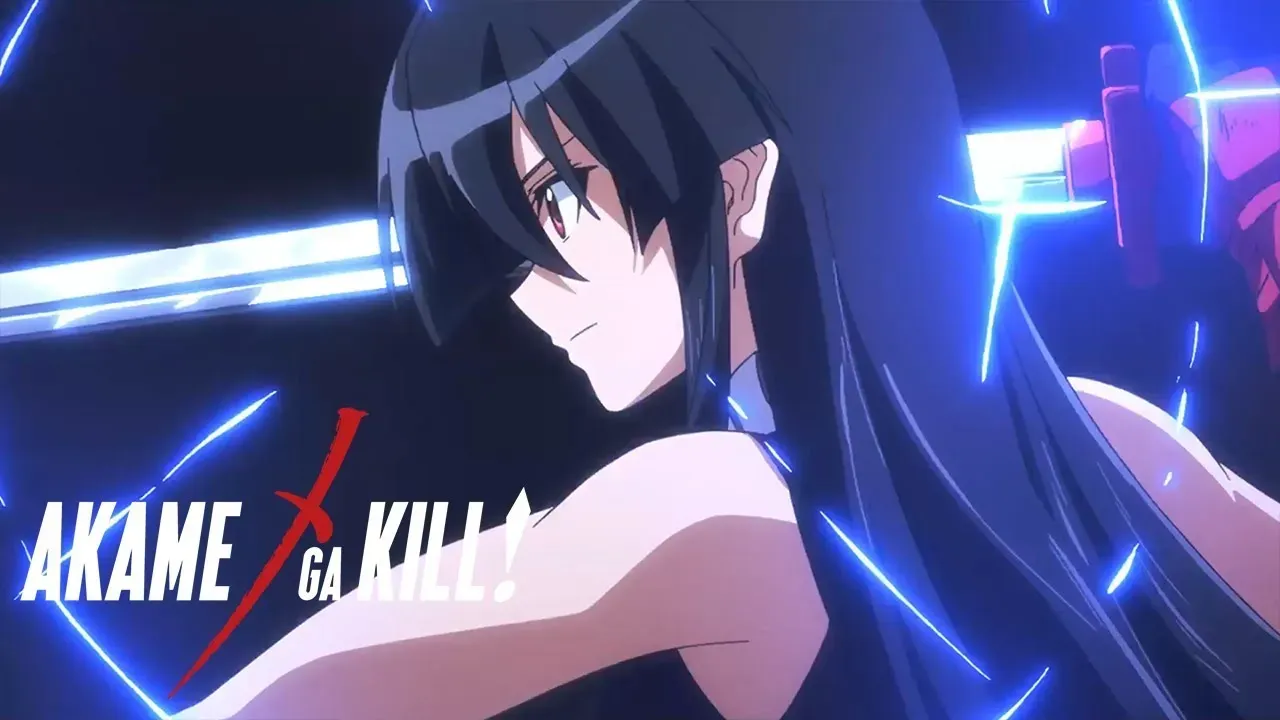
Taku Iwasaki’s score knows the difference between a raid and a wake. Action cues are brass and percussion; quieter tracks leave space around Akame and the table after a job. The first opening, Sora Amamiya’s “Skyreach,” is lift and edge. The second, Rika Mayama’s “LIAR MASK,” is colder. The endings do the memory work: Miku Sawai’s “Konna Sekai, Shiritakunakatta.” sits on the early episodes like a bruise, and Amamiya’s “Tsuki Akari” is the sound of someone still walking. Sound design treats Teigu as physical objects, so the powers feel like tools instead of lightshows.
What Worked / What Didn’t
What worked:
A roster where almost everyone has a distinct temperature. Tatsumi as a straight man who still has a spine. The comedy and low-key romance around the girls, which keep the series from becoming only a meat grinder. Esdeath as a villain you remember after the fights blur. Akame as the person who has to carry the names. Stakes that feel real because the show is willing to spend characters. A complete cour with a beginning, a war, and a last cut.
What didn’t fully land:
The Empire’s evil is often cartoon-thick; Honest in particular is appetite without a second layer. A few deaths arrive more as punctuation than as scenes. The harem teasing and the gore sit in the same episode more than once, and the gear-shift is not always clean. Animation dips on mid-cour weeks. The anime-original close is decisive, but it is rushed next to the early missions. Readers of the manga will be watching a different last act.
Those limits are real. They are also the limits of a pulpy, complete shonen season that chose impact over patience.
Who This Is For
This is for viewers who want action-fantasy with a readable cast, a corrupt empire, and a willingness to hurt the people you just started liking. It is an easy early-anime recommendation if you can handle gore, fanservice, and a tone that jokes at the table and then goes to work with a sword. The harem texture is part of the entertainment, not a hidden trap.
Skip it if you need tight political writing, if character deaths used as momentum leave you cold, or if you want the story to stay in one register — either grimdark or light adventure. It is also a poor match if you planned to treat the anime as a panel-faithful adaptation. The manga continues past the show’s choices and ends elsewhere. Both versions are worth knowing; they are not the same night.
About the Original Manga & Author
Akame ga Kill! is written by Takahiro and illustrated by Tetsuya Tashiro. It ran in Square Enix’s Monthly Gangan Joker from March 2010 to December 2016 and was collected in fifteen volumes, plus a later standalone 1.5. Yen Press published the English edition from January 2015 to July 2018. Together with the prequel Akame ga Kill! Zero, the books had more than 4.1 million copies in circulation by 2020.
Takahiro came out of visual-novel writing — Tsuyokiss, Maji de Watashi ni Koi Shinasai! — before this became his breakout manga. He followed it with Zero (art by Kei Toru), the related Hinowa ga Crush!, and later Chained Soldier. Tashiro’s line is the look people mean when they say the series: sharp character work, heavier action, a Capital that glitters. The 2014 anime covers the early volumes and then builds its own finish; the page story runs longer and lands differently.
Final Verdict + Score
Akame ga Kill! is not the smartest empire story in the medium, and it does not need to be. It is a complete, flavorful Night Raid: a boy who should have gone home, a squad that becomes a family, a general who wants him for the wrong reasons, and a swordswoman who keeps walking after the room is quieter than it used to be.
Final score: 8/10
Recommended — as early shonen entertainment with teeth, and as a rewatch if the hideout and the strange pull between Tatsumi and Esdeath still sit in your head years later.
Closing
I still think of this one as a first-language anime: you do not analyze the structure while it is happening. You pick a favorite at the table, flinch when the next mission starts, and notice later that Akame was carrying more of the season than the title card admitted.
If you have seen it, I would like to know who you sat with — Tatsumi’s earnestness, Akame’s quiet, Esdeath’s winter, or one of the girls who made the hideout loud. If you have not, go in knowing it is pulp, knowing it will spend people, and stay through the last cut anyway.

Couch talk
Quiet on this thread so far — say something (we mod before it goes live).